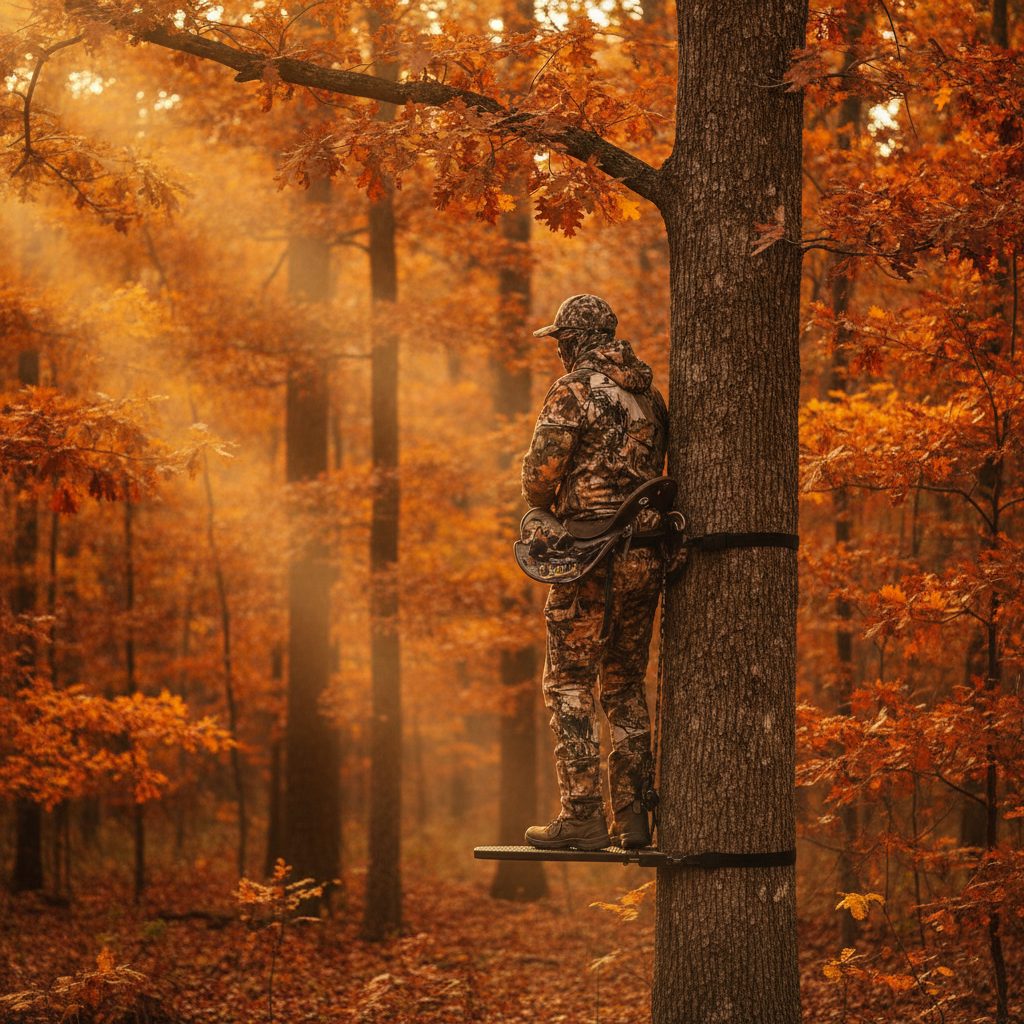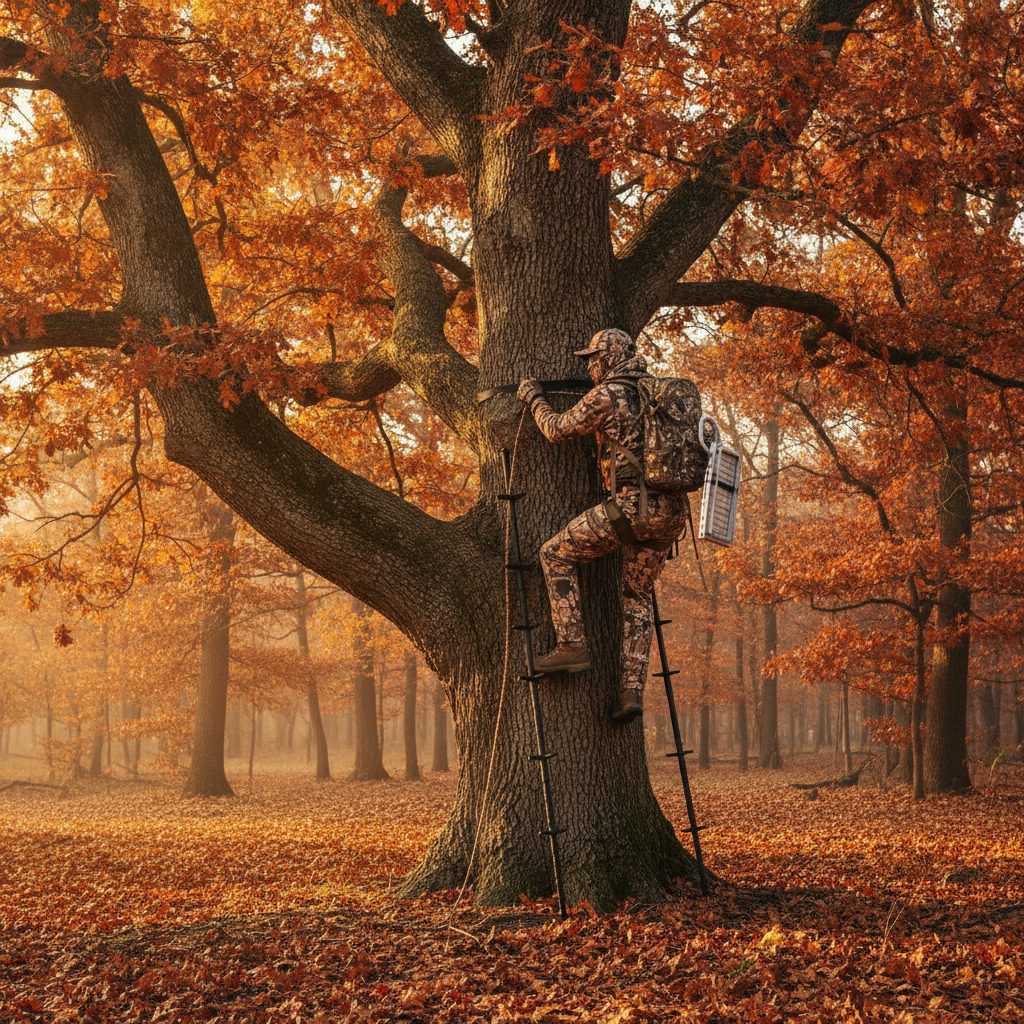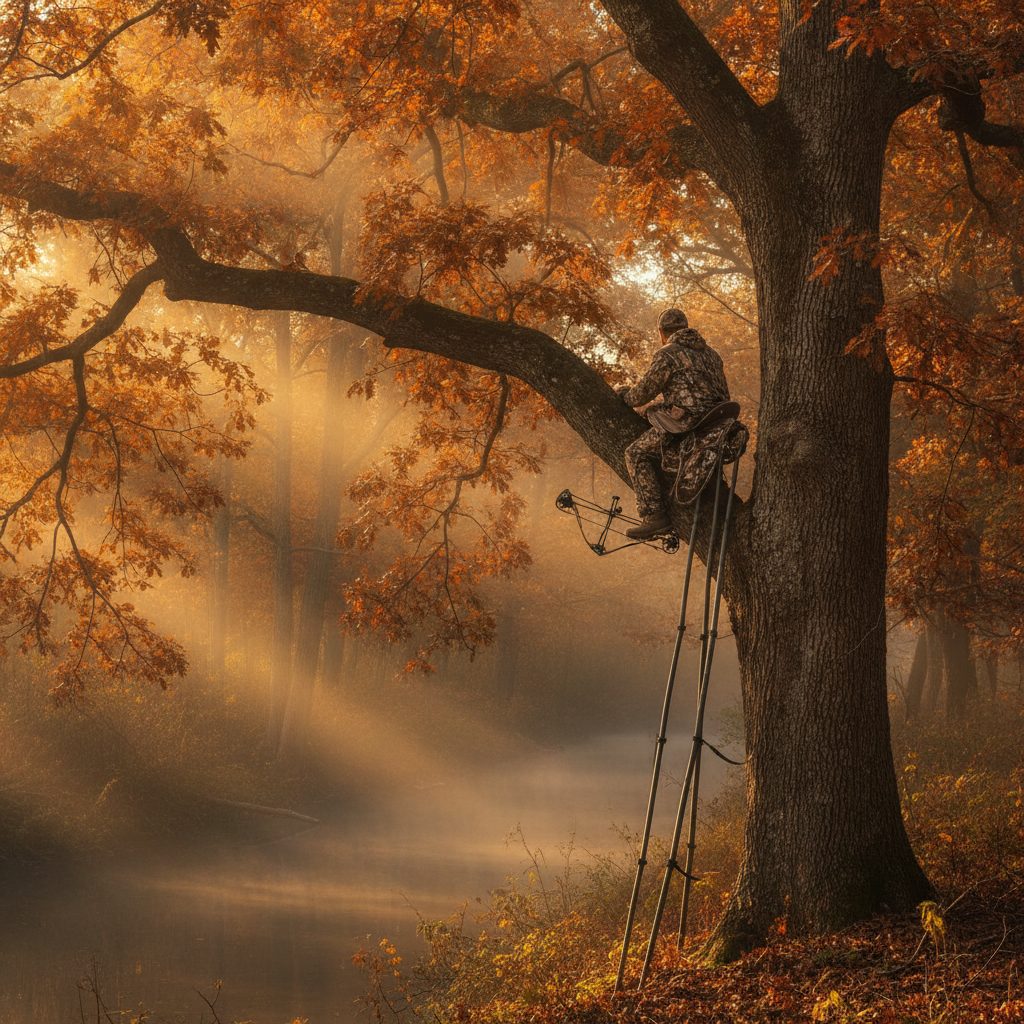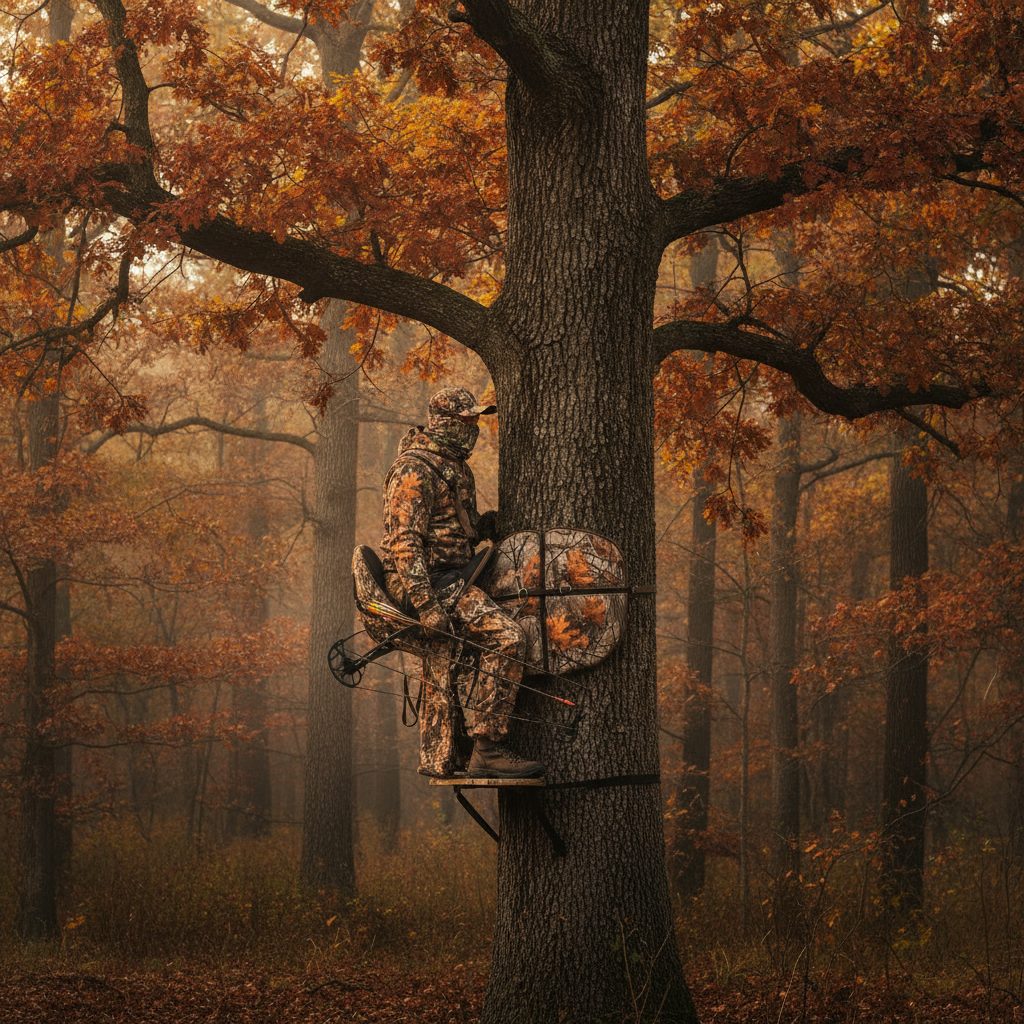
Fall 2026 Climbing Sticks: Which Material Actually Wins in the Woods?
There are more climbing stick options on the market right now than at any point in the history of mobile hunting. That sounds like a good thing — and mostly it is — but it also means plenty of hunters are still standing in the gear aisle (or doom-scrolling at midnight) second-guessing a purchase they should've made three months ago. Preseason is burning. Let's cut through it.
The 2026 stick market has essentially split into three material lanes: traditional aluminum, carbon fiber, and a newer magnesium-alloy category led by Trophyline's proprietary Magnite. Each has a legitimate use case. None of them is perfect. Here's where they actually land when you put boots on the ground.
Aluminum: Still the Workhorse, Still Honest
Aluminum sticks don't make the highlight reel anymore, but they're not going anywhere. They're affordable, durable, and they've gotten quieter as manufacturers have figured out better attachment systems and standoff geometry. If you're hunting private ground with predictable setups and you're not packing two miles in the dark, aluminum is genuinely fine. Stop letting gear influencers convince you otherwise.
The knock on aluminum has always been weight and that characteristic metallic ring when sticks contact each other in your pack. Both are real. Both matter more as your walk-in distance increases. If you're hunting pressured public land and need to cover ground, aluminum starts working against you past a certain pack weight. That's not opinion — that's physics.
Carbon Fiber: Lightest on Paper, Loudest in Real Life
Carbon sticks attract a specific type of hunter: the guy who weighs everything on a postal scale and posts the numbers. Fair enough — weight matters. But carbon fiber has a dirty secret that doesn't show up in spec sheets: it's a vibration amplifier. Metal-on-carbon contact produces a sharp, carrying ping that Magnite and even aluminum absorb better. In dead-calm early-season woods, that sound travels.
That said, Lone Wolf's new Micro Double sticks for 2026 are genuinely impressive. These tiny 14-inch sticks come in at an exact one pound, built from an ultra-thin, high-strength alloy with some engineered flex built in — a design choice that actually helps manage the rigidity-versus-noise problem that plagues pure carbon builds. For the run-and-gun hunter who prioritizes pack weight above everything, they're worth a hard look. Just know the trade-off: shorter sticks mean more sticks for the same height, and more sticks means more attachment noise and setup time at 4 a.m.
Magnite: The Material That's Changing the Conversation
Trophyline's HyperLite sticks put Magnite on the map, and the 2026 market has validated the concept. Magnite is a magnesium-based alloy that outperforms aluminum in the three categories saddle hunters care most about: it's lighter, stronger, and dramatically quieter. The vibration-dampening numbers are significant — we're talking roughly three times better than aluminum and around ten times better than carbon. In practice, that means a stick rack that doesn't sound like a wind chime when you bump into a branch at shooting light.
The FlatStack unibody design compounds the advantage. Four HyperLite sticks compress into one of the tightest carry profiles in the category — less protrusion off your pack means fewer snagged branches and a cleaner silhouette moving through thick cover. Attachment runs through QuickHitch tabs and a six-foot Amsteel rope using a prusik-style cinch that locks fast and holds hard once you weight the stick. It's the kind of system that makes you wonder why every stick company isn't doing it this way.
The one real-world critique: at roughly 16 inches of climbing step per stick, you'll want four sticks minimum to get to a useful saddle height on most whitetail trees. Plan your kit accordingly.
The Overlooked Option: Permanent Access Points
Not every hunt needs to be a one-stick, one-stick, platform speed-run. Trophy Treestands' Hangtime Ladder — an 18-foot steel system that terminates at a built-in platform — has shown up in more saddle setups this year than you'd expect. It's heavy, it's not mobile, but it uses the Trophy Drawtight Cable System to lock solidly to the trunk and it opens up a legitimate option for hunters with a permission property or a high-yield food-source funnel they want to hit hard all season. At its price point, it's a cost-effective way to anchor one killer setup while your mobile sticks stay free for public land moves.
The Bottom Line Before October
- Mostly private land, predictable setups: Quality aluminum gets the job done. Spend the savings on a better saddle.
- Mixed public/private, moderate pack-ins: Magnite-category sticks like the Trophyline HyperLite are the sweet spot. Quiet, light, dialed-in pack profile.
- Serious gram-counting public land hammers: Lone Wolf Micro Doubles deserve time on your scale. Just tape the contact points before you head in.
- One killer permanent spot plus a mobile rig: Hybrid approach. Semi-permanent access on your best stand, sticks for everything else.
The good news is there's no wrong answer at this level of the market — there's just a right answer for your specific hunting. Figure out your terrain, your walk-in distances, and your tolerance for setup noise. Match your sticks to that reality, not to what's trending. Then send it.