The Post-Center-Post Era: Why Summer 2026 Platforms Are Rethinking Ground Under Your Feet
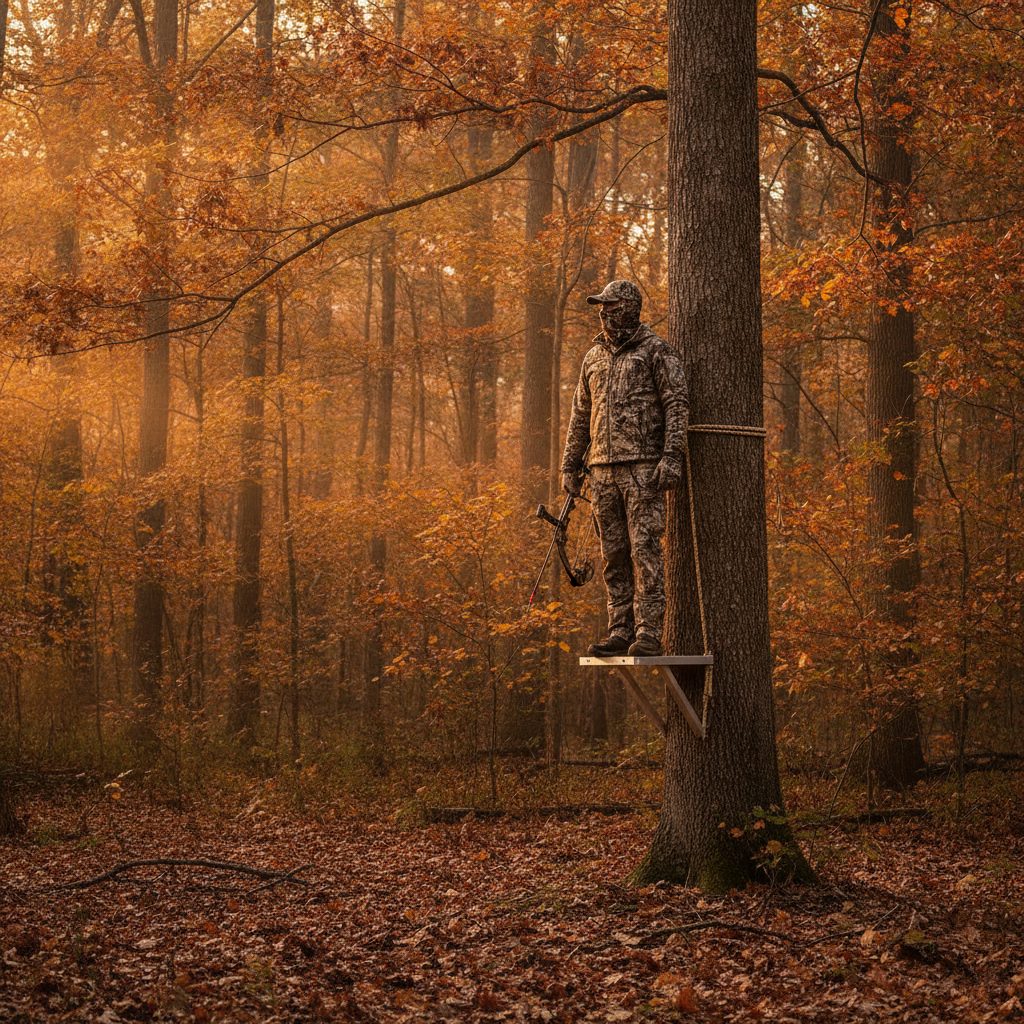
Something quiet has been happening on the platform side of the saddle world this summer — and it's not just about shaving grams. The platforms dropping in 2026 are challenging a design assumption that's gone mostly unquestioned since guys first started strapping aluminum to trees: the center post. Pull it, and suddenly the whole game changes. Foot room opens up. Crooked trunks stop being a problem. And hunters who spent years fighting for purchase on knotty oaks start hunting with real confidence underfoot.
Timber Ninja Goes Small — Without Going Soft
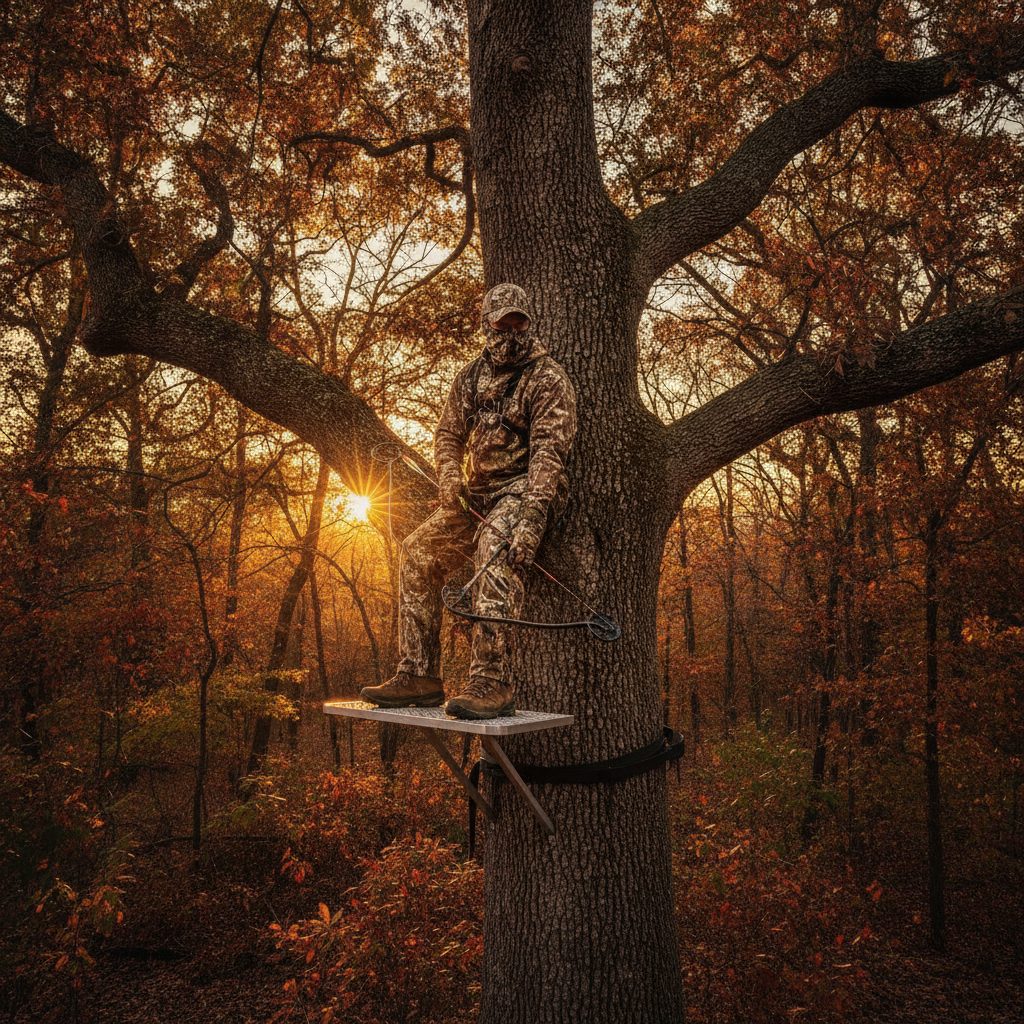
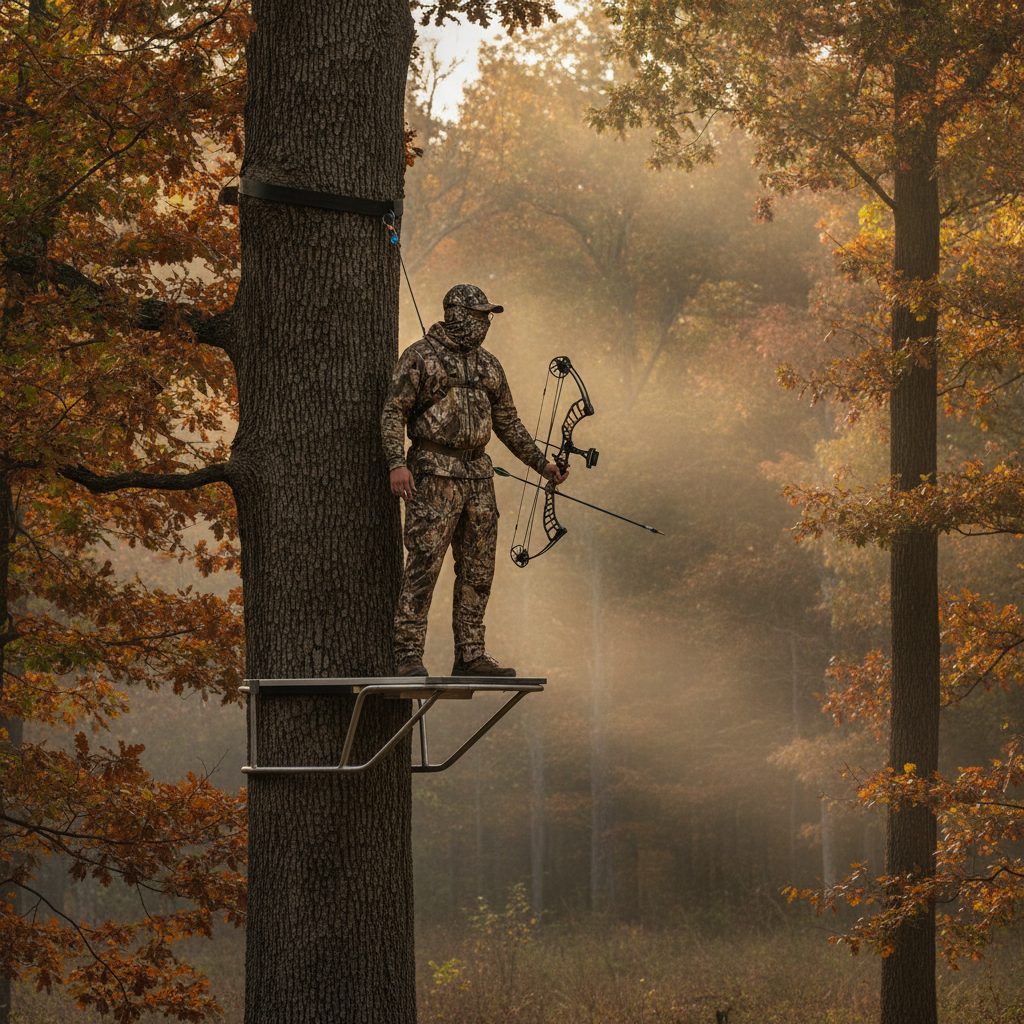
The biggest platform story of early summer is Timber Ninja's MK, short for Mini Kunai. Same foundational DNA as the original Kunai, shrunk down for the ounce-counting crowd. The original Kunai made noise last season by ditching the center post entirely in favor of a patent-pending Folding Stability Spike that anchors the platform to the tree from below — you set it past level, cam the strap down, and the spike bites in. No post twisting on a gnarly trunk. No awkward wobble mid-draw.
The MK carries that same postless architecture into a tighter, lighter frame. By eliminating the center post, Timber Ninja squeezes serious usable foot room out of a frame that measures just 12 by 11 inches. That's compact enough to disappear in a day pack, but the built-in side wings — which function as dedicated footrests — mean you're not just standing on a postage stamp. You can shift your weight, reset your feet mid-hunt, and swing for a weak-side shot without dancing around a post that's eating your real estate. The design also delivers rock-solid stability on crooked, knotty trunks where a standard post could twist or slip. That alone is worth the price of admission for anyone who's hunted gnarly timber country.
The MK folds completely flat at less than an inch thick and weighs a mere 2.2 pounds with a 300-pound weight rating, retailing at $329.99 — and Timber Ninja has it slated to launch this July. If you want to be in the first wave, their site has an email notification signup ready to go. Send it.
Buzzard Roost Flips the Script — Literally
If Timber Ninja is the precision play, Buzzard Roost is swinging for weird — in the best possible way. Their Pursuit Platform and Bullman Step package leans hard into injection-molded nylon rather than traditional metal, and the centerpiece is a reversible wedge footrest design. You can flip the wedge to get two distinct footrest profiles: one flatter and more conventional, the other a more aggressive angle built specifically for hard-leaning positions and calf fatigue relief.
Coming in at just 16 ounces, this featherweight system is purpose-built for the run-and-gun bowhunter who wants to strip every possible ounce of dead weight from their mobile setup. Sixteen ounces. For a full platform-and-step package. That's a number that should make every pack-out-of-public-land hunter stop scrolling. Whether the nylon holds up long-term in cold weather is a question worth asking — but the concept of a reversible footrest angle is genuinely clever, and the weight argument is hard to ignore.
Lone Wolf Plays the Middle Ground
Not everyone wants to go full ultralight. Some hunters want a hybrid — a platform that can anchor like a hang-on when they need it, but still play nice with a saddle setup. Lone Wolf Custom Gear, which has been on the forefront of mobile hunting for decades, is addressing exactly that with the Ranger Hybrid — a premium option that blurs the line between a traditional hang-on and a high-end saddle platform, coming in at just under 6 pounds.
Unlike compact tree stands that rely on thick steel cables, the Ranger Hybrid eliminates cables entirely for an obstruction-free deck, includes a reversible seat cushion that doubles as a built-in kneepad, and can even be flipped to function as a traditional treestand seat when all-day fatigue sets in. For hunters who toggle between saddle and hang-on depending on the tree, this is an interesting answer. At under 6 pounds, it won't win a weight contest against the other platforms here — but it offers a versatility argument nobody else on this list is making.
What This Actually Means on the Ground
Here's the bigger picture: platforms used to be the boring part of the conversation. Hunters obsessed over saddle fit, bridge systems, climbing sticks — and the platform was an afterthought. That's changing fast. The explosive growth in mobile tactics sparked by the saddle-hunting culture and its related accessories has driven designers to scrutinize every component of the system. Platforms are no longer just a shelf to stand on. They're the foundation of your shot opportunity, and engineers are finally treating them that way.
The center-post deletion, the reversible wedge, the hybrid cable-free deck — these aren't gimmicks. They're answers to real problems that real hunters have been working around for years. If you're building or rebuilding a mobile rig before October, the platform question deserves more than a quick add-to-cart. Think about the trees you're climbing most — knotty public-land timber, straight private-land hardwoods, or everything in between — and let that drive the decision. The gear has gotten good enough that there's a right answer for your specific situation. Find it before the season does it for you.