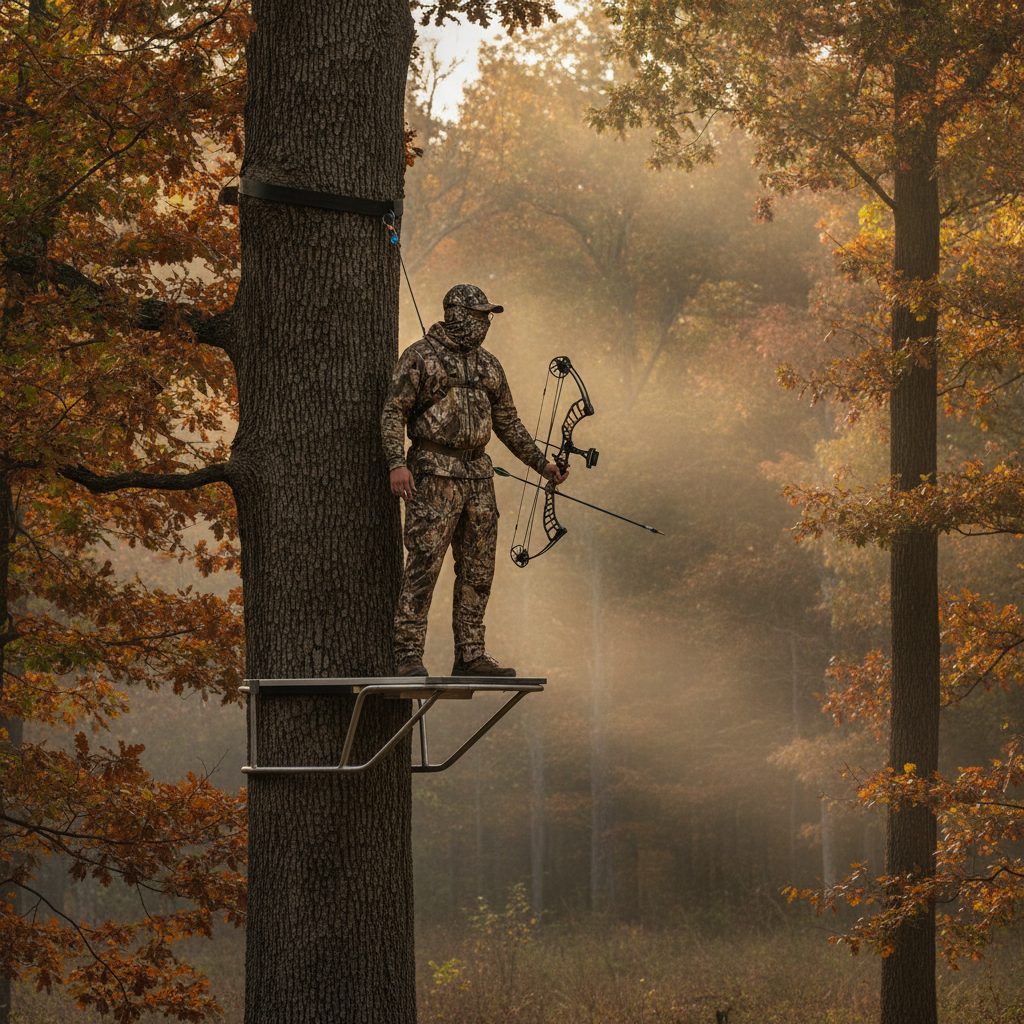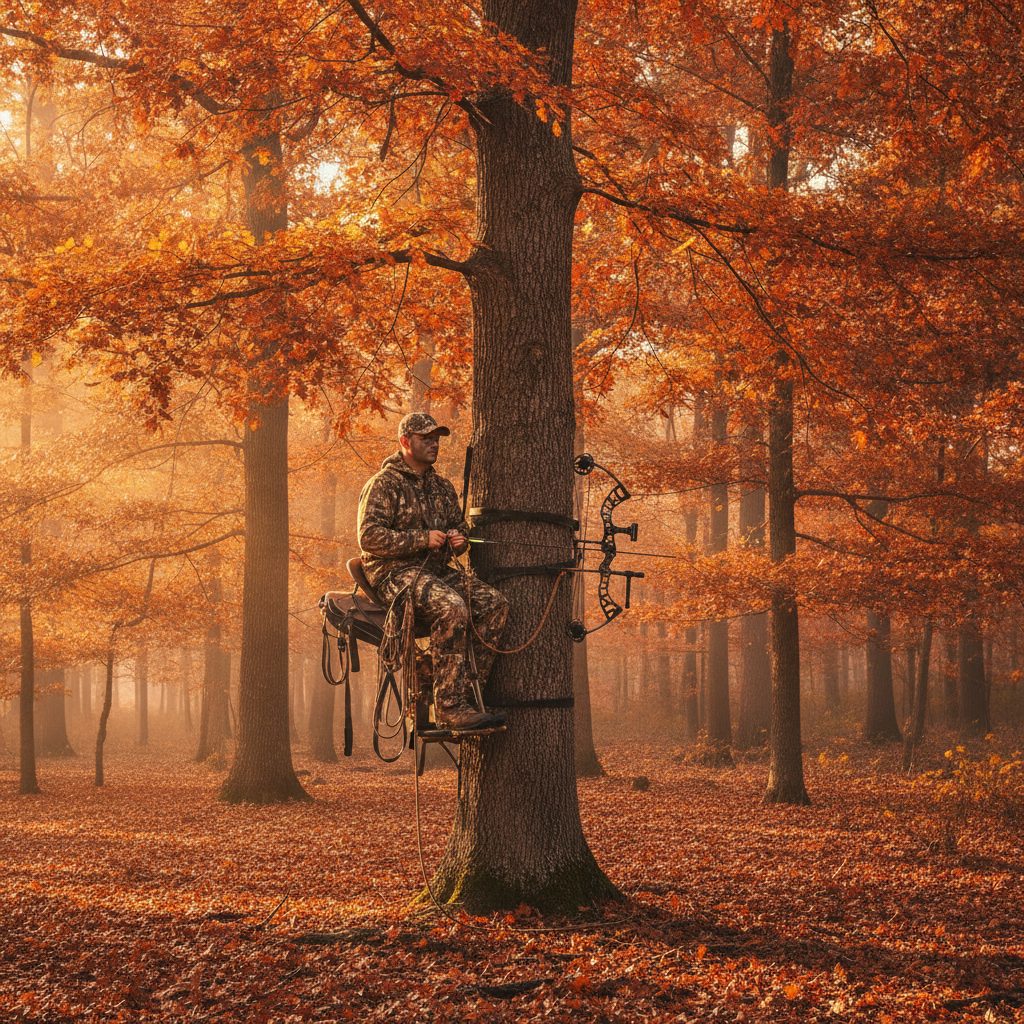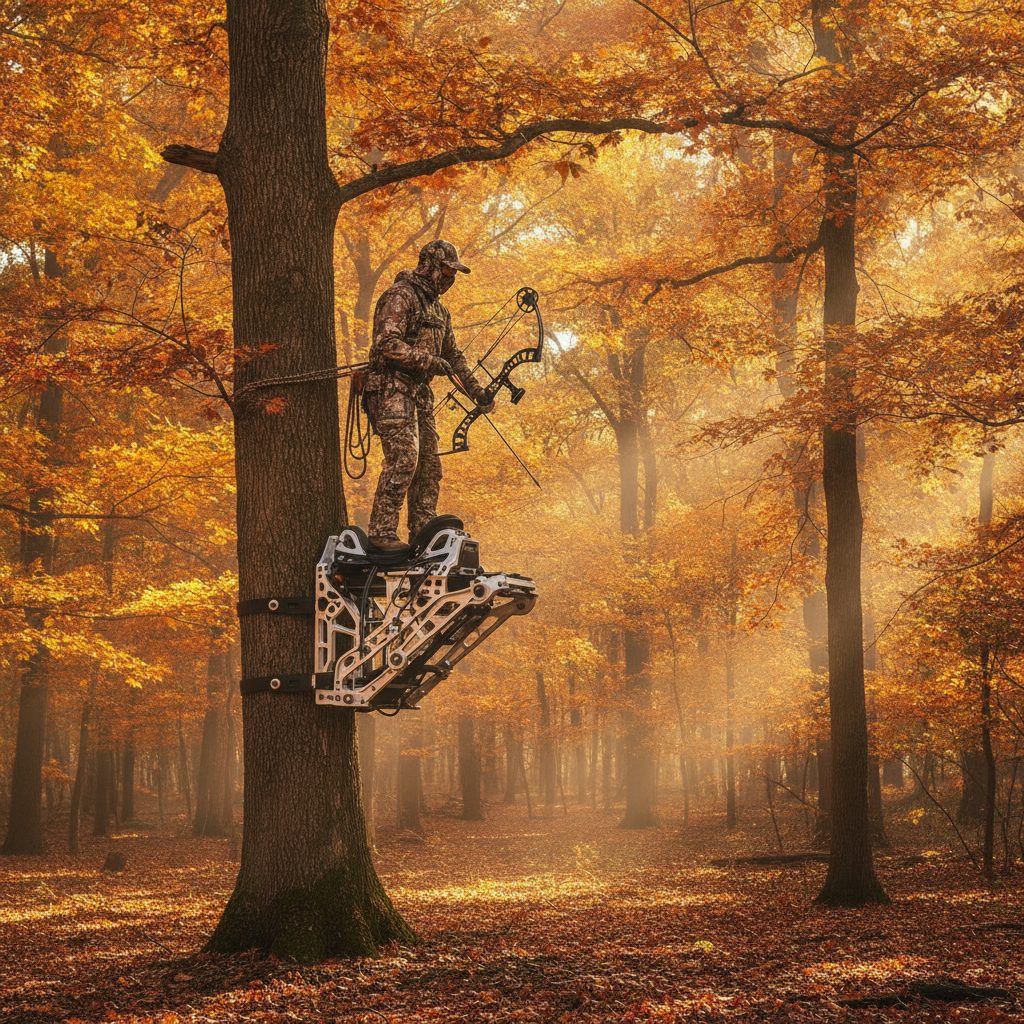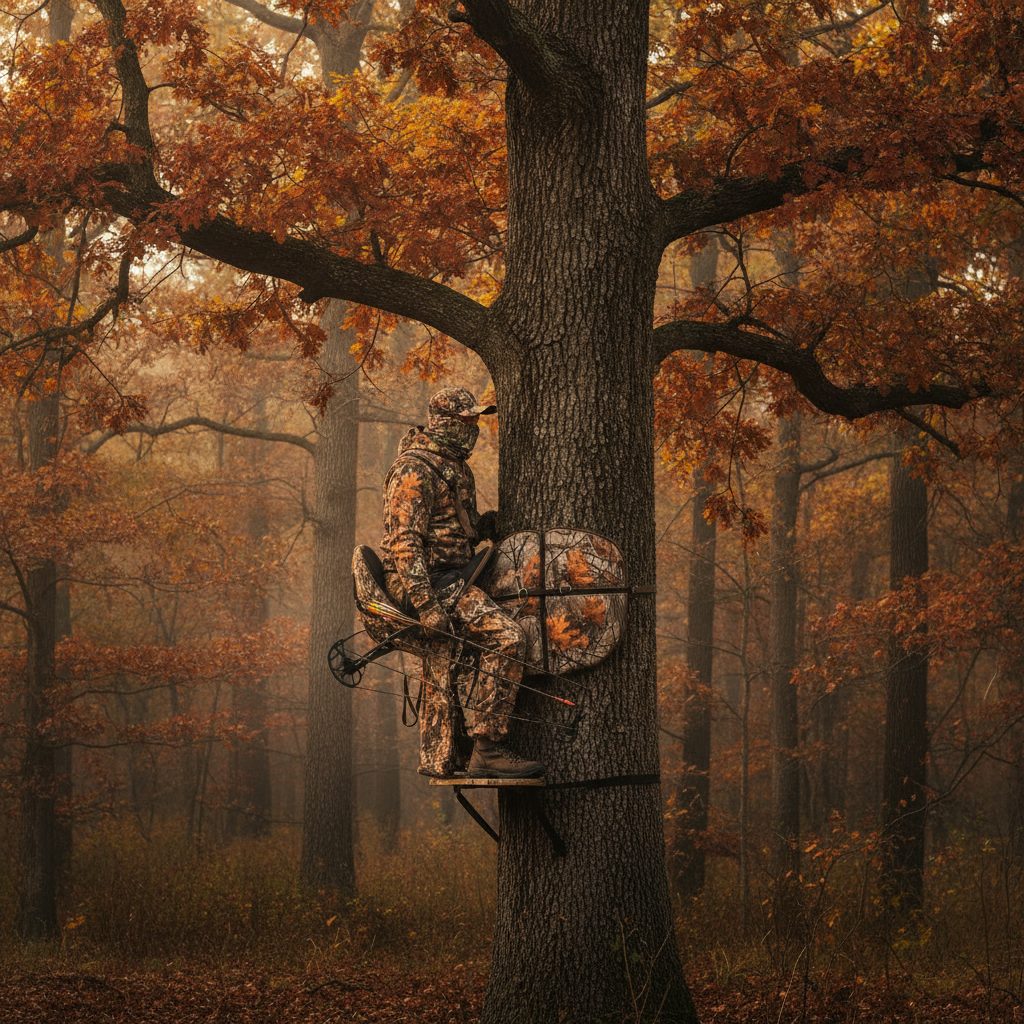
Angled Edge Platforms Are Changing How We Stand in the Tree
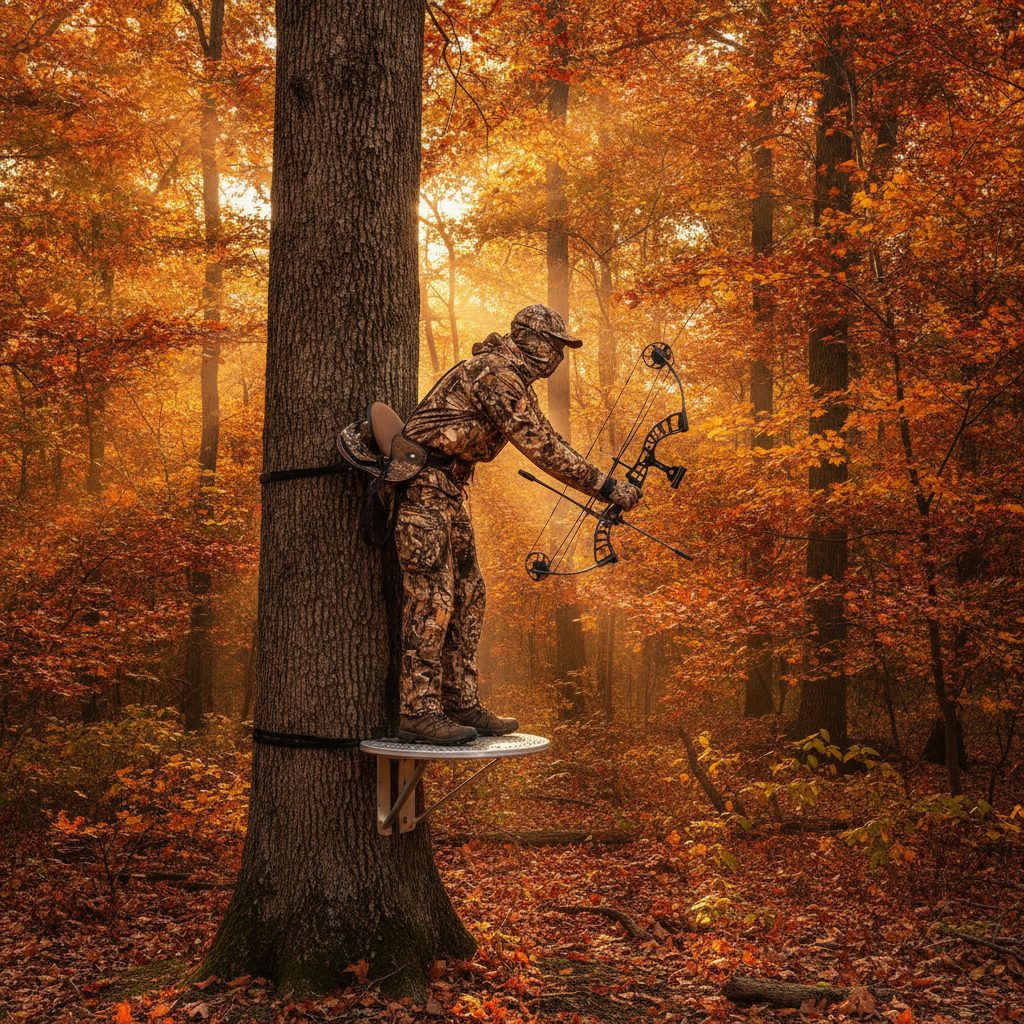
Stand on a flat-edged platform for four hours and your ankles will file a formal complaint. Lean hard into a deer trail at last light and your feet start burning halfway through the sit. It's one of those things saddle hunters grumble about on forums but rarely pin down as the root cause of a cut-short hunt. Heading into fall 2025, the gear companies finally caught up with what experienced guys already knew: edge geometry matters as much as platform weight.
The Flat Edge Problem Nobody Talked About Enough
For most of saddle hunting's modern era, platforms were optimized around two things — weight and pack profile. Get it under three pounds, get it flat enough to strap to your sticks, done. The edge where your boots actually contact the platform? An afterthought.
Saddle hunting is a leaner's game. You're hugging bark, rotating around the trunk, dropping your weight into the bridge. That means a significant chunk of every sit has you with the balls of your feet pressed hard into the platform lip. On a square-cut edge, that pressure point gets ugly fast — fatigue, hot spots, and the kind of foot pain that makes you second-guess the whole run-and-gun lifestyle.
The angled front edge changes the equation. Instead of a hard 90-degree corner biting into your boot sole, a sloped leading edge distributes that pressure across more surface area. Your foot sits more naturally, your back unloads, and the whole body position just clicks into place. It sounds like a small detail. It isn't.
What Tethrd Did With the Predator V
Tethrd's Predator line has been a fixture in whitetail saddle setups for years — reliable, packable, proven. The fifth-generation Predator V, released for 2025, is the most refined version yet. The Tethrd crew made a good thing even better with the Predator V, the fifth generation of the Predator series, built from high pressure die cast aluminum with a dark powder coated finish to prevent glare and improve traction.
The platform features an angled front edge for increased comfort for your feet, ankles and back, more traction tread for a better grip, an updated stomp pad for better toe-camming, and an improved adjustment knob for easy platform leveling. Those aren't marketing bullet points — they're the direct result of feedback from hunters logging serious hours in the tree.
The platform is available in both Regular and XL sizes. The Regular measures 11.8″ x 11.5″, weighs in at 3.4 pounds, and carries a 300-pound weight capacity, while the XL measures 11.8″ x 15.75″ and weighs 3.8 pounds. Neither size is going to win a gram-weenie competition, but that's kind of the point — the Predator V is built for hunters who'd rather spend the weight savings on comfort over a long sit than shave ounces for the sake of a scale photo.
The Forum Crowd Agrees — and That Means Something
By the time early-season 2025 rolled around, the angled-edge conversation was everywhere. Hunters who lean more than they sit noted the angled edge is much more comfortable on their feet, with multiple calling out the Cruzr Seeker and the Tethrd Predator V as options worth serious consideration — noting they look and perform very similarly.
That kind of community validation is harder to fake than any press release. When guys who've burned through three or four different platforms over multiple seasons start converging on the same feature set, it's worth paying attention.
How to Pick Your Platform for Fall
If you're shopping platforms for the 2025 season, here's the honest breakdown:
- You're a leaner: An angled front edge is non-negotiable. The Predator V or anything with a sloped lip is your starting point.
- You want to face away from the tree: Make sure your platform has side wings or enough real estate for 360-degree rotation. Don't sacrifice footprint for weight.
- Weight is the priority: The carbon fiber options entering the market in 2025 — including Tethrd's CFX platform, made in the USA from proprietary carbon fiber, coming in at just 2.3 lbs for the Regular and 3.25 lbs for the XL — are worth the premium if you're covering serious ground.
- Budget matters: Cast aluminum platforms with solid powder coat finishes still deliver most of the performance at a fraction of the cost. Don't let perfect be the enemy of in-the-tree.
The bottom line: your platform is your foundation. Everything else in a mobile saddle setup — the saddle fit, the bridge tune, the tether height — can be dialed in on the fly. But if your feet are screaming at hour two, you're going home early. Get the edge geometry right, and the rest of the sit takes care of itself. Send it.