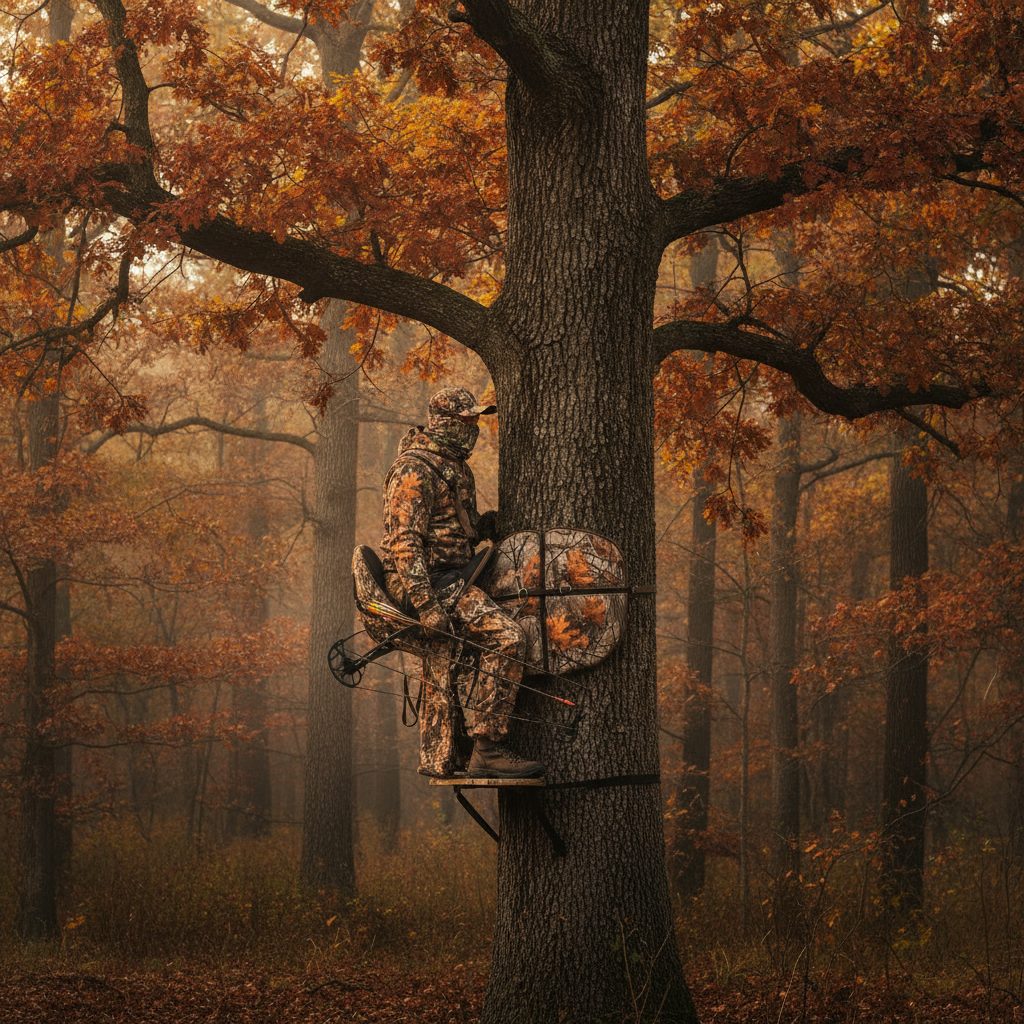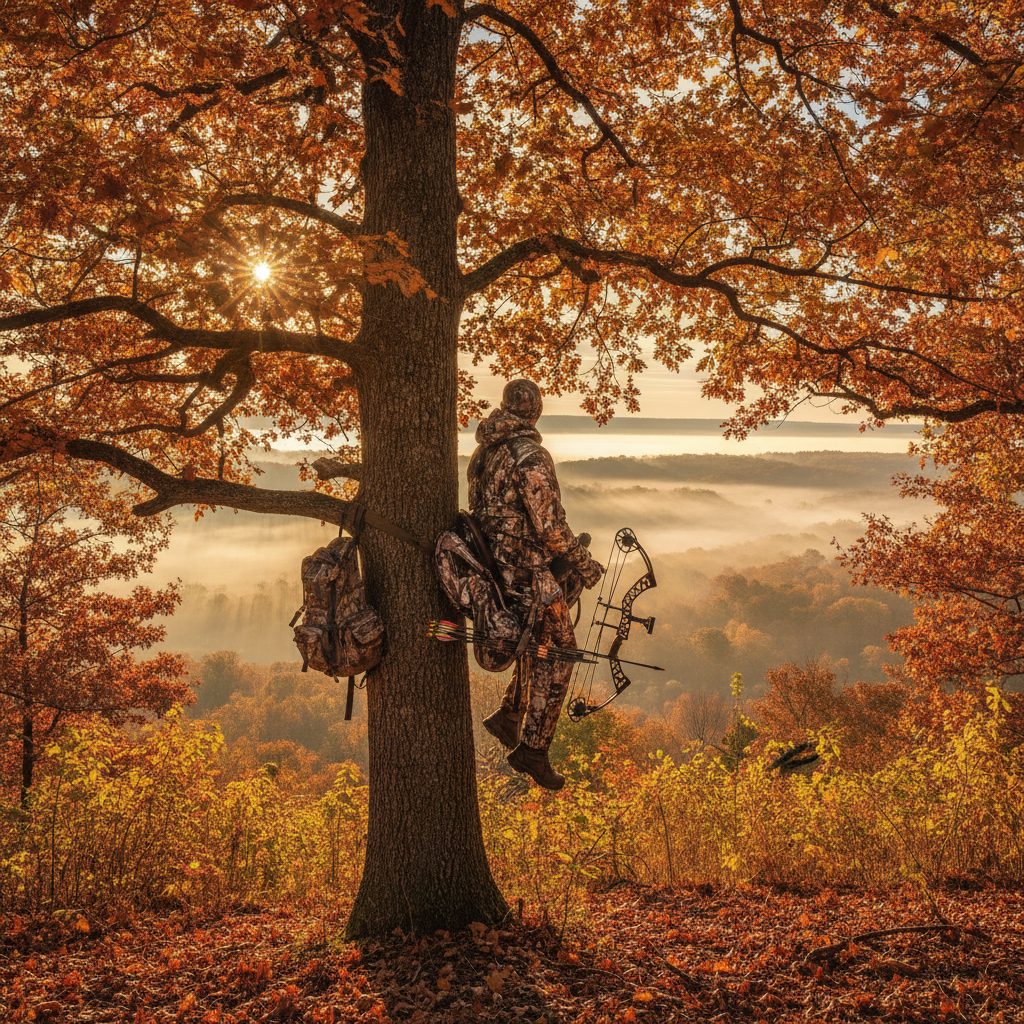
Why Saddle Hunters Have the Wind Game Figured Out
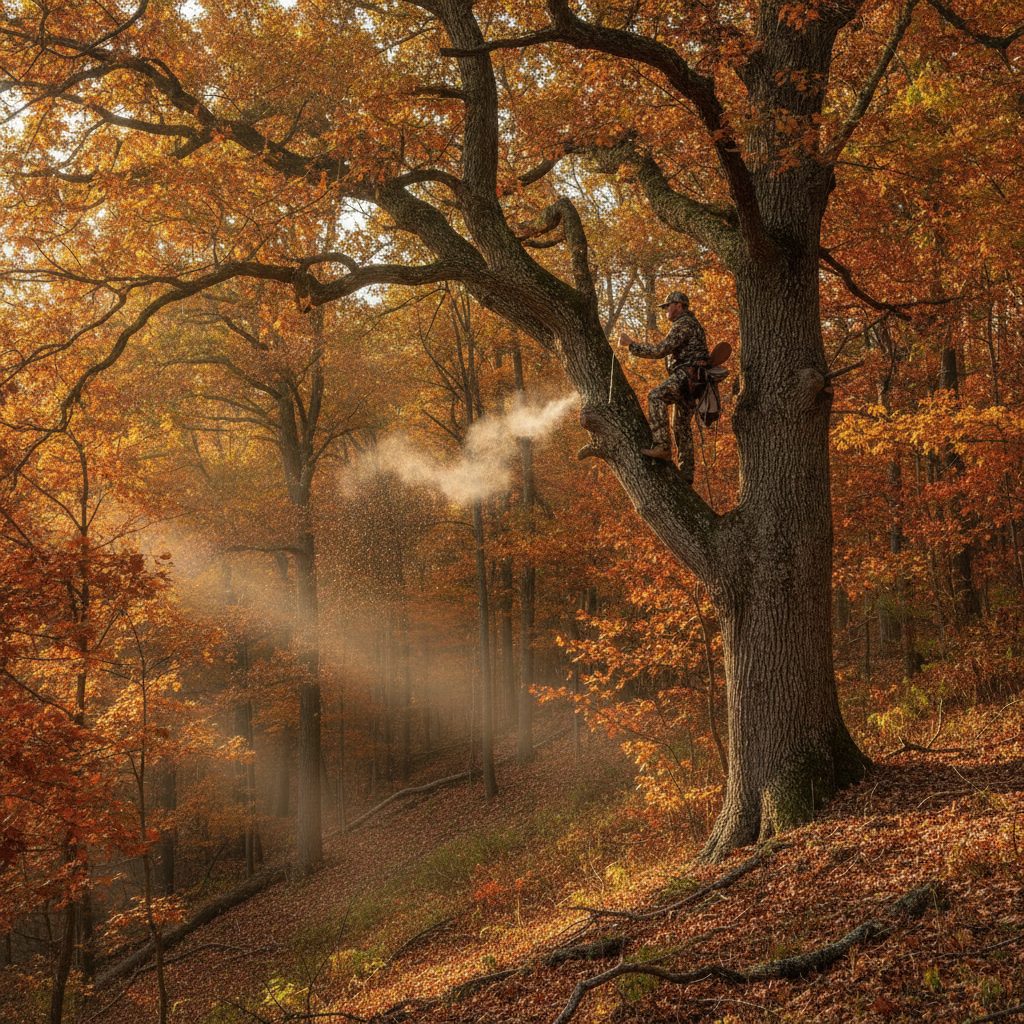
Most hunters check the wind app, nod, and head out. Saddle hunters should be thinking two steps deeper — because they actually have the tools to act on that information in ways a hang-on stand guy simply can't. You can move. Fast. Quiet. That changes everything when thermals are in play.
What Thermals Are Actually Doing to Your Scent
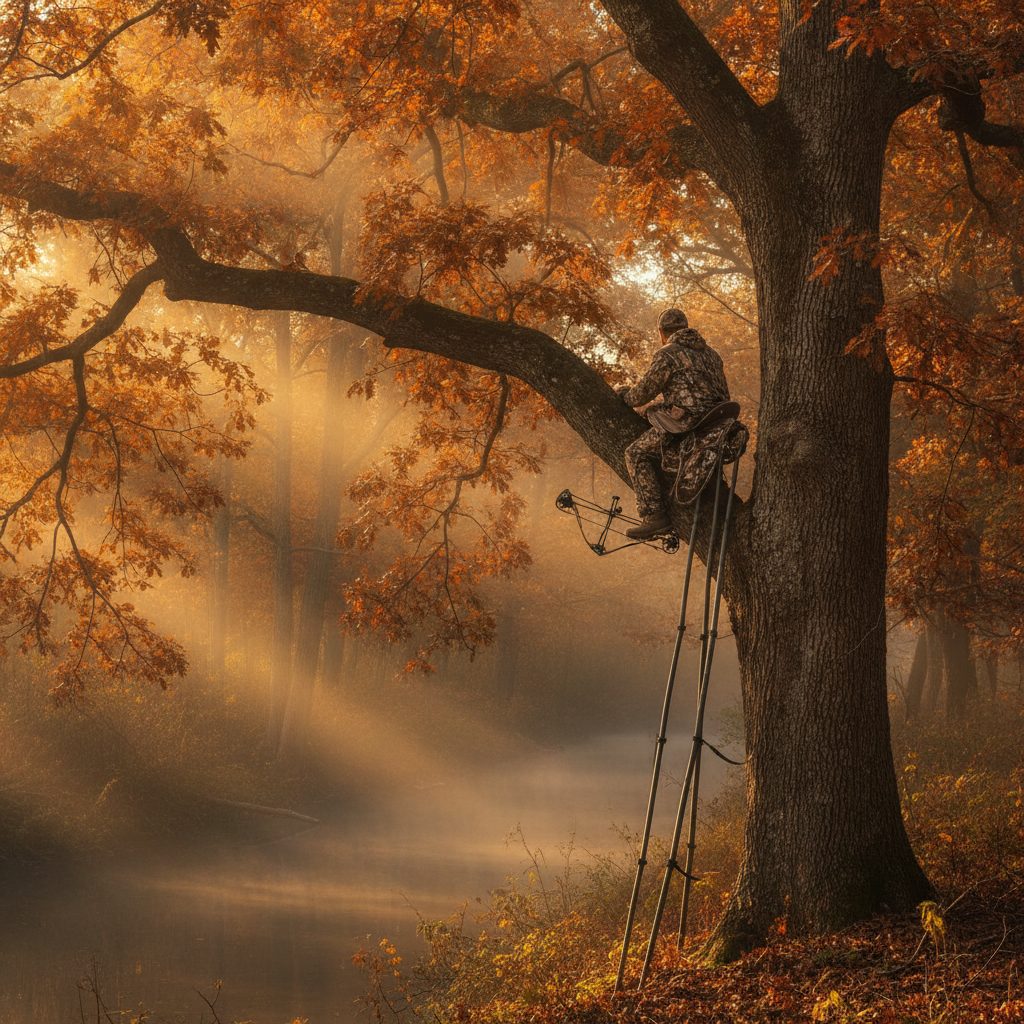
Here's the physics in plain English. Air warms as the sun rises, becomes less dense, and lifts. Your scent rides that lift up slopes, out of creek bottoms, toward ridgelines. Flip the clock to evening: ground temps fall, air cools and sinks, and your scent bleeds downhill — pooling in drainages and low benches right where mature bucks bed and scent-check. Wind direction at face level tells you maybe half the story. The other half is happening vertically, and it can burn a stand that looks perfect on paper.
The practical danger is this: you could have a textbook crosswind at 15 feet and still blow a deer in a low-lying thicket because a falling evening thermal is carrying your scent straight into it. That's not bad luck — that's a solvable problem, and mobile hunters are uniquely positioned to solve it.
The Saddle Hunter's Real Advantage: You Vote With Your Feet
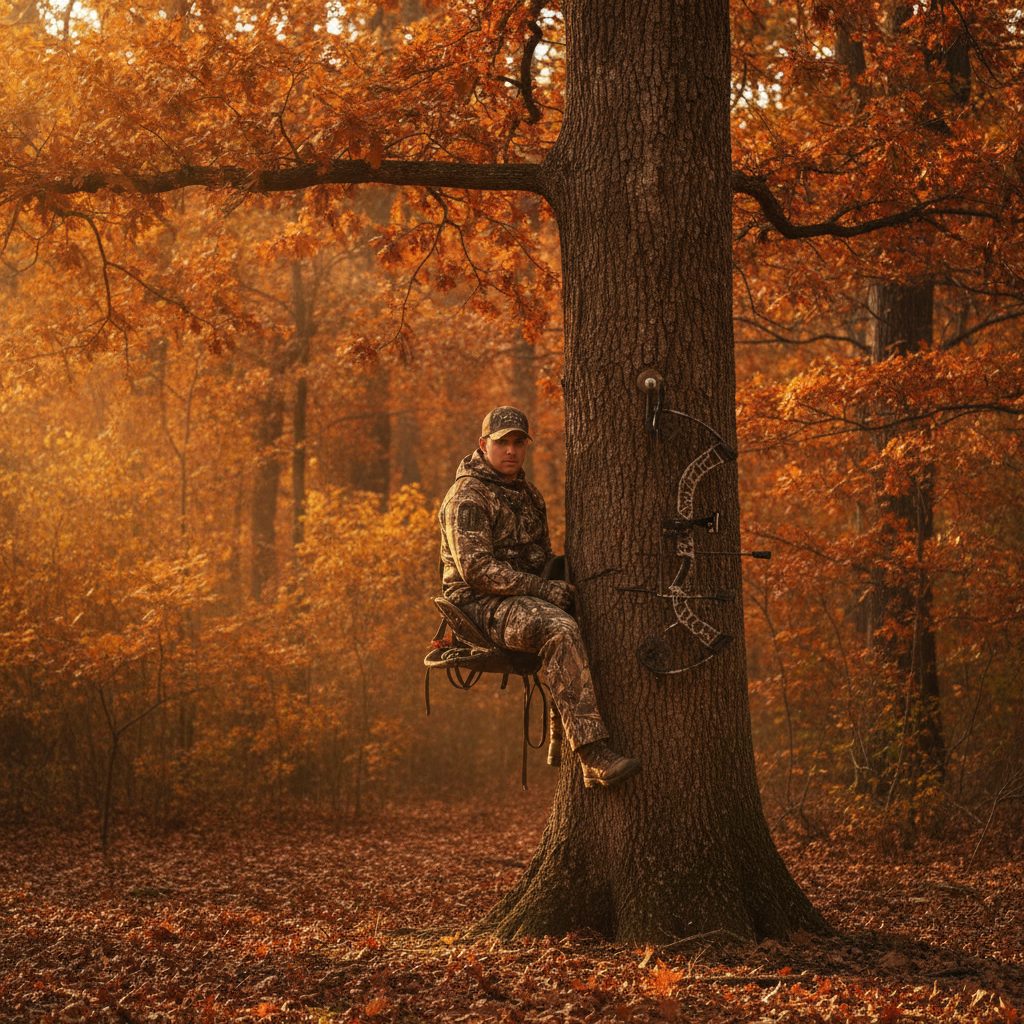
A guy with a hang-on stand bolted to a specific tree two weeks ago is committed. He's hunting that tree whether the thermal is cooperating or not. You? You're hunting the wind event, not the address. That distinction matters more than any gear upgrade you'll make this preseason.
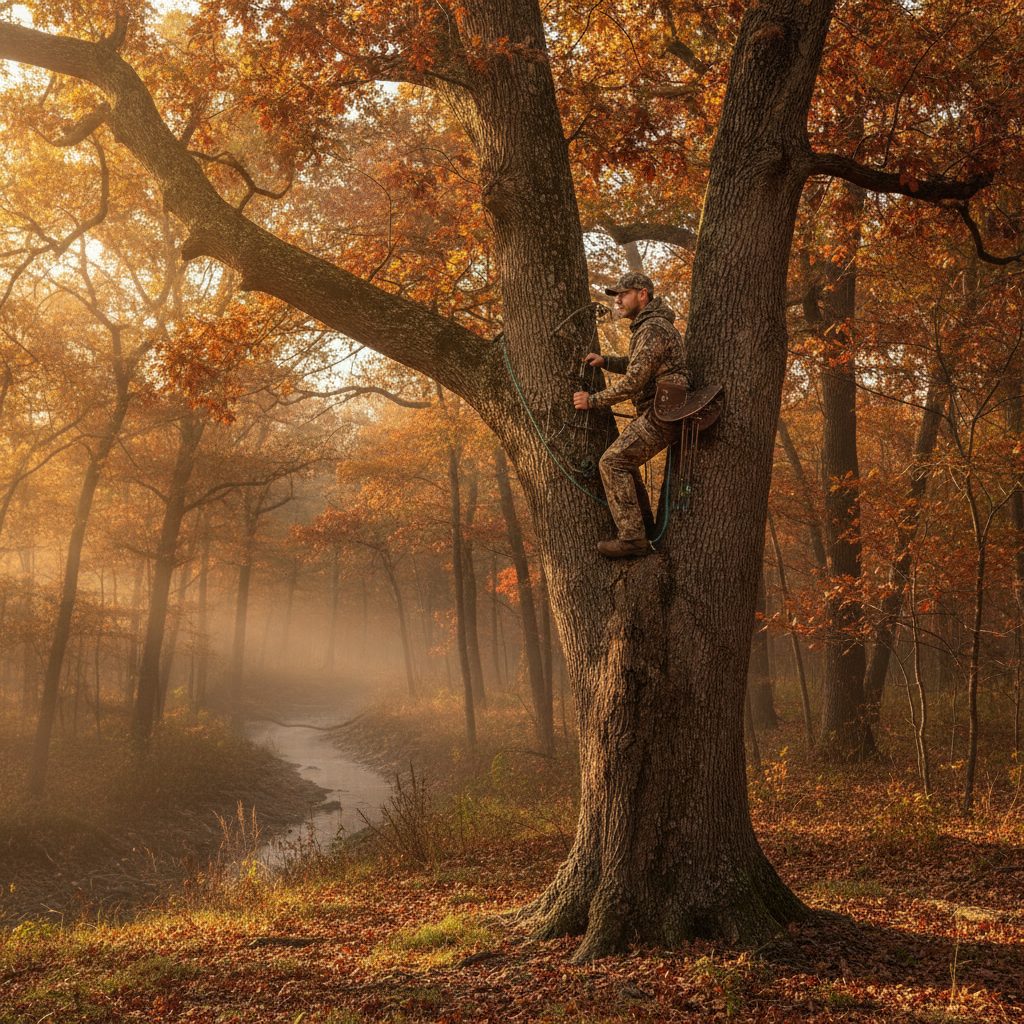
In the morning, thermals rise. That means low-to-mid-slope positions — benches, saddles in the terrain, creek-flat edges — can work well early because your scent lifts away from deer moving below you at ground level. In the evening, flip the script. Move higher. As cooling air drags your scent downhill into drainages, positioning yourself above likely travel routes keeps your odor from reaching deer on their evening feed. That's not theory — it's the saddle hunter playing the board correctly.
How to Scout and Map Thermal Behavior Before the Season
Summer is the time to do this work. Here's a dead-simple process:
- Walk your ground at first light. Carry a wind-check powder or a cheap smoke bomb. Watch what the air does in your key spots. Note whether scent travels uphill, stays flat, or swirls. Topography drives thermals — ridges channel air, drainages pull it downward, benches collect it.
- Pull up topo maps. Visualize how water would drain across your land if it flooded. Thermals follow that same path of least resistance. Drainages that funnel water will funnel your scent the same way on a cooling evening.
- Identify thermal hubs. These are spots where multiple ridges or valleys converge and air tends to swirl unpredictably. They're notoriously hard to hunt. Mark them, and save them for dead-calm mornings when thermals are predictable — or avoid them altogether.
- Build a sit-time matrix. For each of your key setups, note whether it's a morning or evening position based on thermal direction, not just wind. A stand that kills in the morning because of rising thermals may blow you out by 2 p.m. when midday instability sets in and the air swirls.
Run-and-Gun Means Protecting Your Best Spots
Here's a mindset shift that separates consistently deadly mobile hunters from guys just moving for the sake of moving: thermal discipline means knowing when NOT to hunt a spot. Burning a great tree on a bad-thermal evening costs you that tree for the rest of the season on mature deer. The saddle in your pack gives you the option to bail and find a different tree that fits today's conditions. Use it.
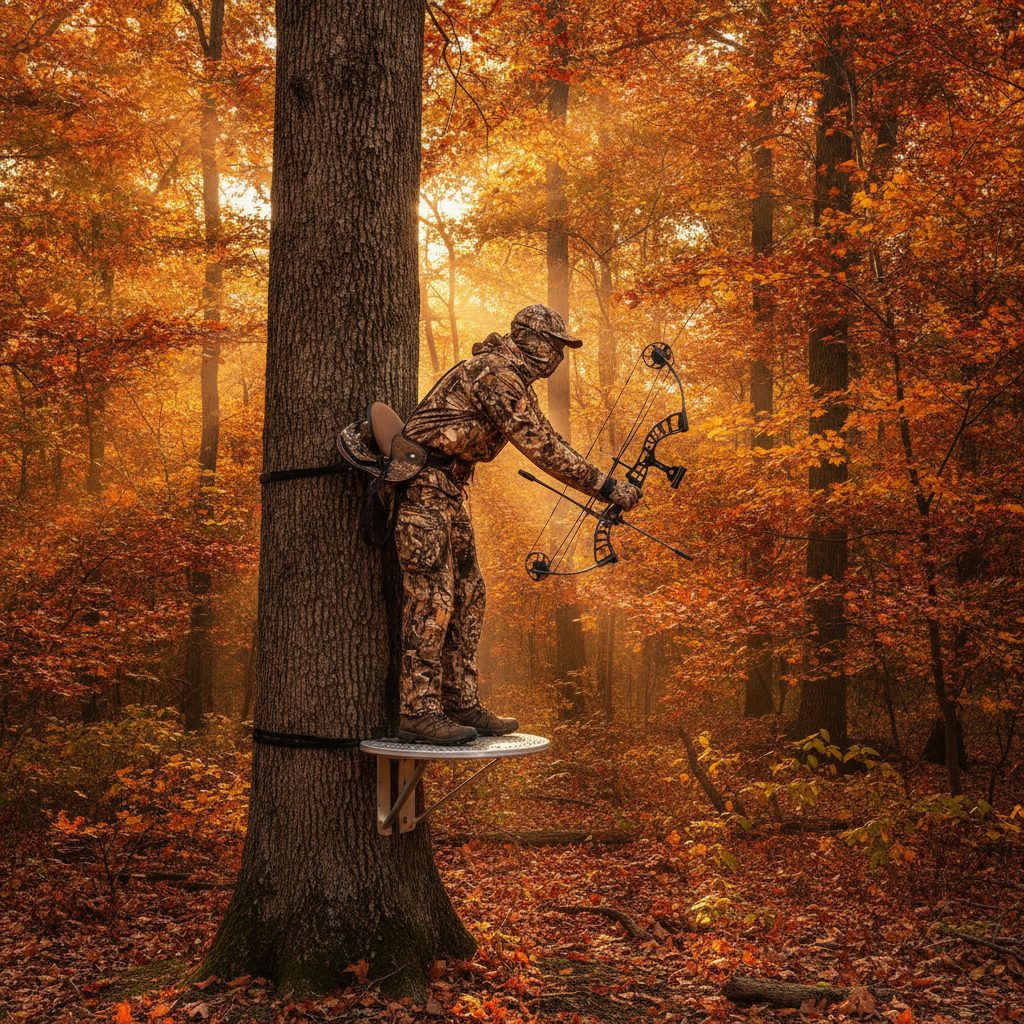
When thermals are shifty or stacking against you, go find a different address. Set up in fifteen minutes. That's the whole point. Your mobility is only as valuable as your willingness to actually use it when conditions demand a change. Most hunters stay put because they invested the walk-in. Don't let sunk-cost thinking kill your hunt.
The Bottom Line for This Preseason
Before you spend another dollar on new gear — and there's plenty of great stuff dropping for 2026 — spend an afternoon boots-on-ground studying how your air moves. Walk key setups at dawn and dusk. Watch what a wind-check tells you. Pair that knowledge with the positional freedom your saddle system gives you, and you're already hunting smarter than most of the field. The mature bucks you're after are using thermals instinctively every single day. It's past time to do the same.