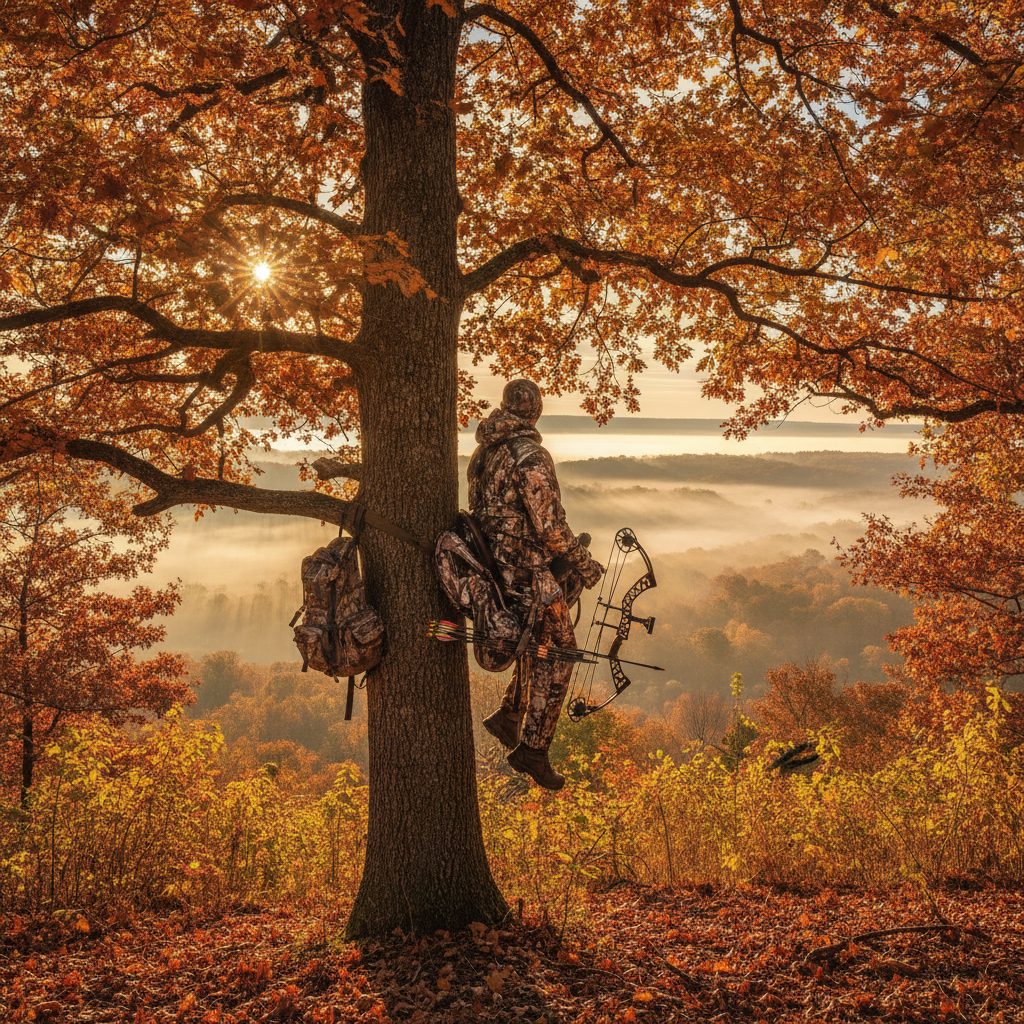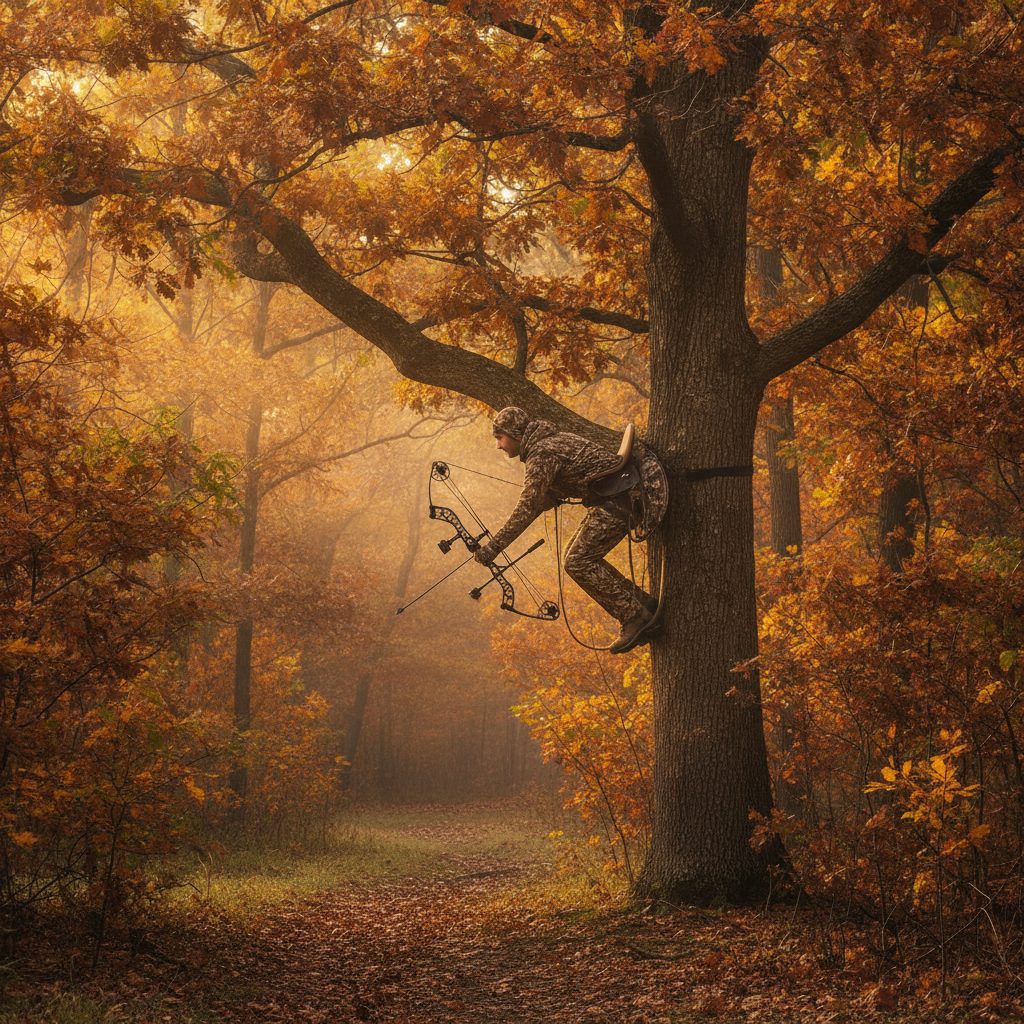
Why Your First Sit on a New Tree Is Almost Always Your Best
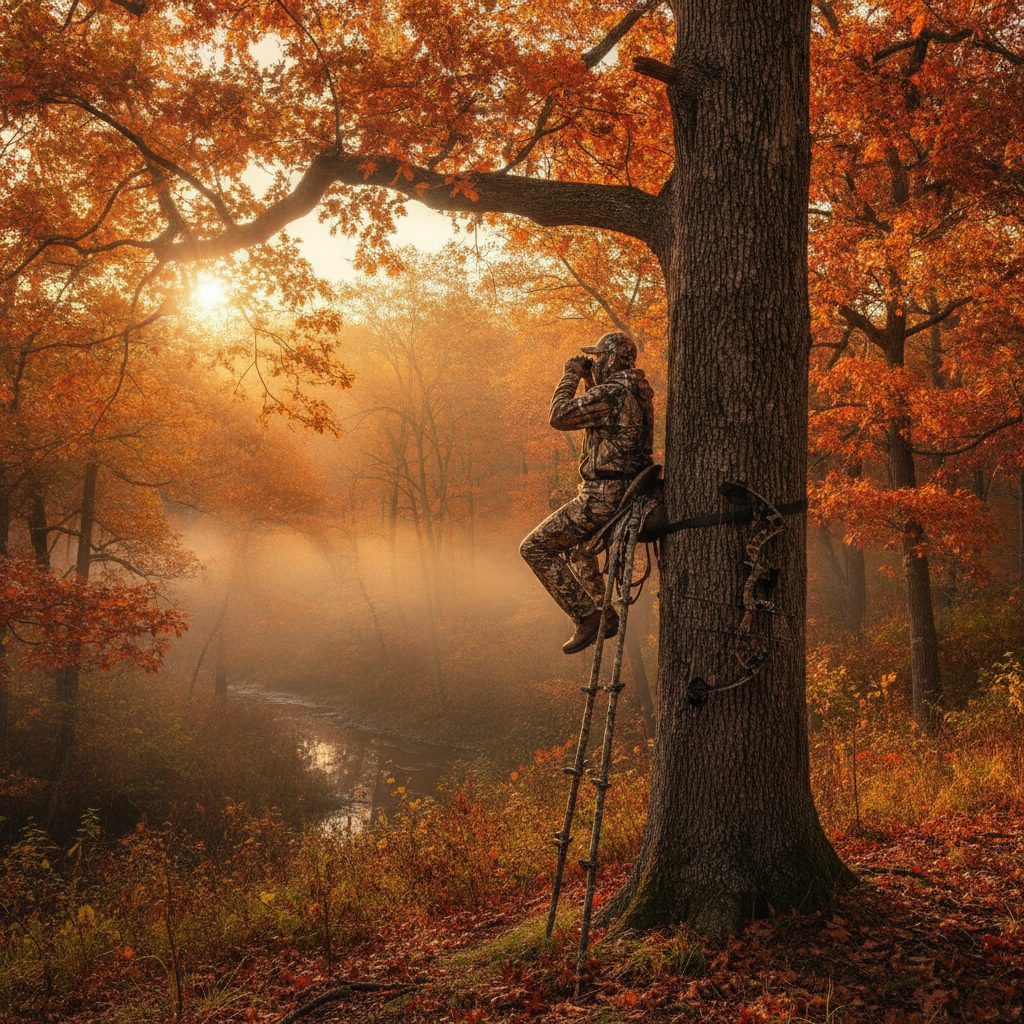
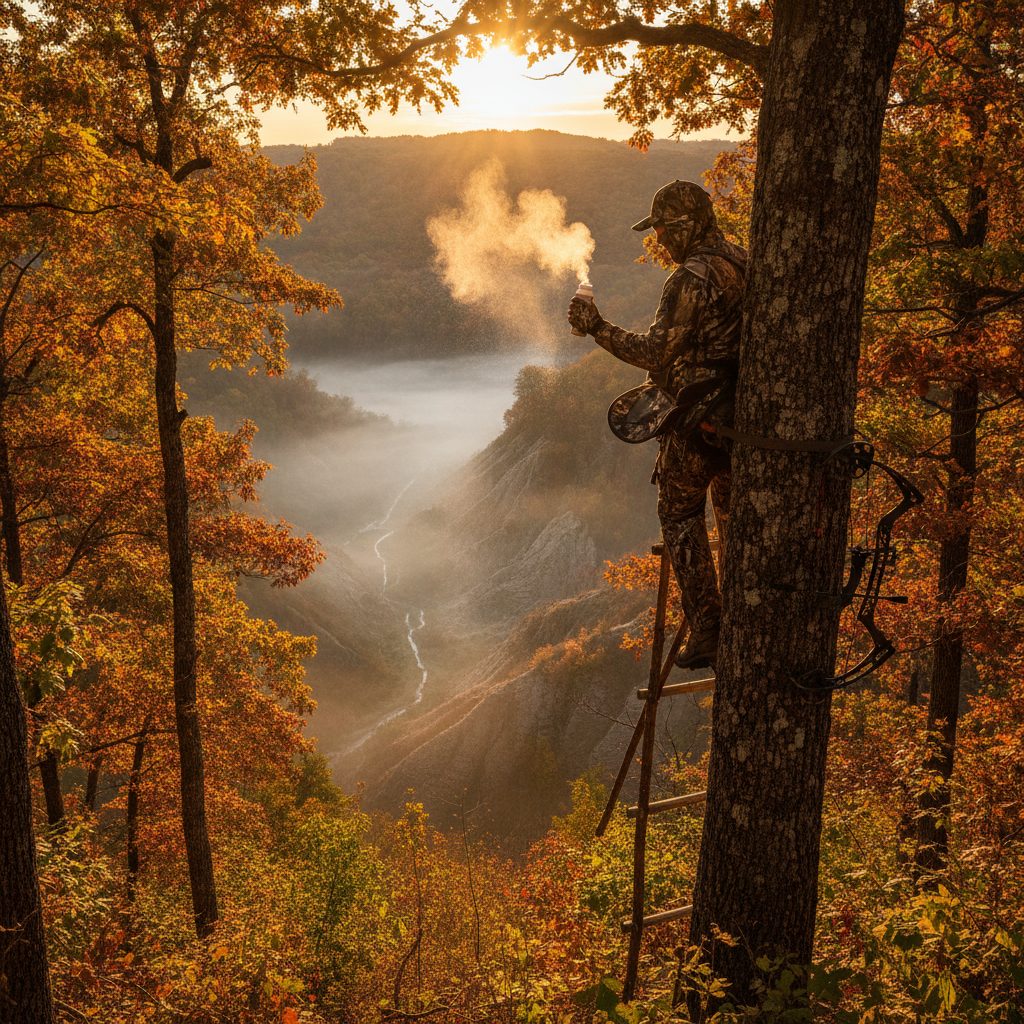
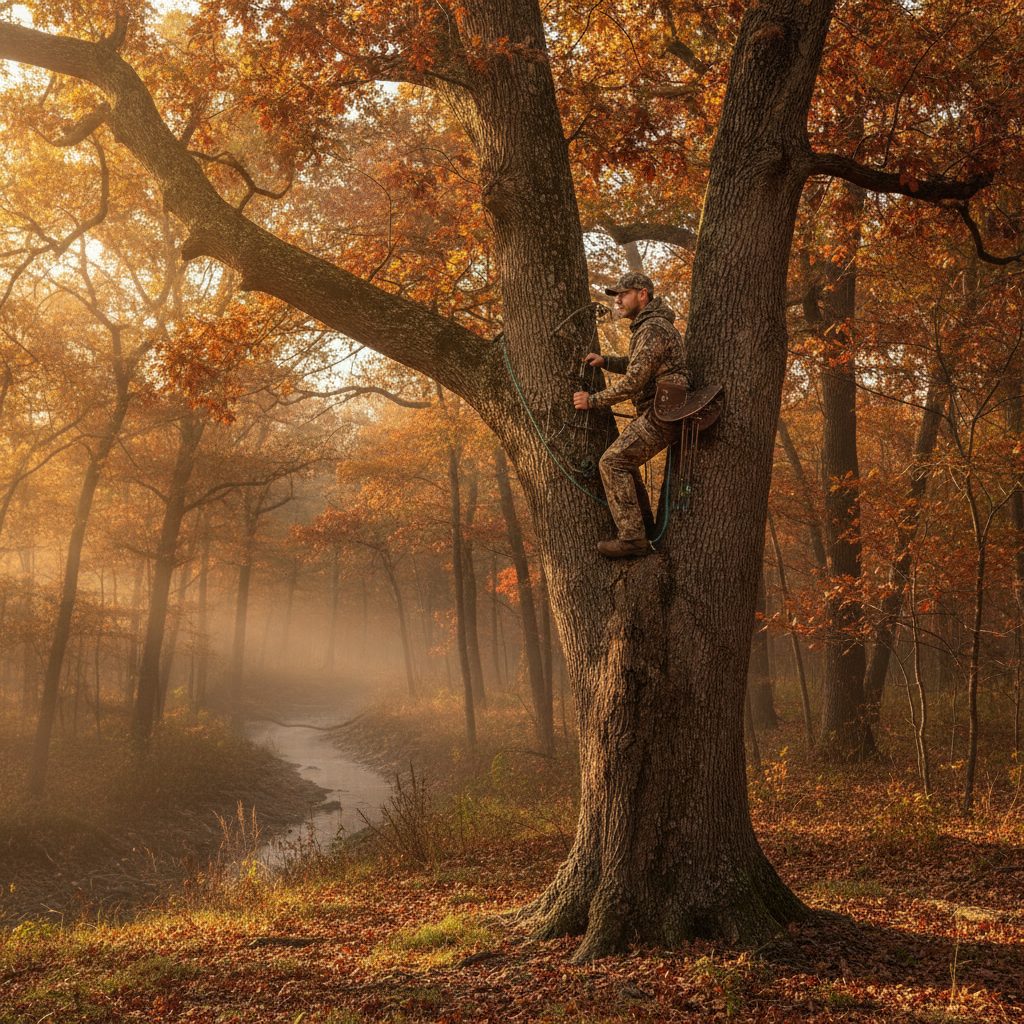
There's a reason seasoned run-and-gun hunters keep circling back to one idea: the first time you climb a tree is the deadliest sit you'll ever have on it. Not the third. Not after you've burned the entry twice. The first. It sounds simple, almost too obvious — until you look at how most hunters actually operate. They hang a set in September, hunt it seven times, wonder why the big deer stopped showing up, and then blame the property. The tree isn't the problem. The pattern is.
First-Sit Pressure: What the Data Keeps Telling Us
Talk to enough public-land killers and you'll hear the same thing over and over. Mature whitetails — especially bucks over three years old — pattern hunters faster than hunters pattern deer. Every entry, every exit, every squeaky stick leaves a fingerprint. Mobile saddle hunting grew out of exactly this reality. If you're not burning a location, you're not giving it a chance to reset. The whole game is staying ahead of the pressure curve.
That's why the best hang-and-hunt practitioners treat each new tree almost like a one-time event. Scout hard in the off-season, pick the tree during summer, and then stay out until conditions are perfect. Wind, thermals, deer movement — all three have to align before you touch that ground. Then you go in, you set up fast, you hunt, and you leave clean. Simple. Brutally effective.
Summer Is When the Hunt Actually Starts
June and July are the best months most saddle hunters waste. No pressure on the woods, deer are patternable on food sources, and you can move freely without blowing anything out. This is the window to do your real homework. Boot-scout the likely funnels. Identify the trees that give you height options and shooting lanes on multiple wind directions. Mark them, rank them, and build a mental (or digital) hit list before a single leaf turns.
A solid pre-season scouting routine makes the in-season decision almost automatic. When a northwest wind shows up at 8 mph on a Tuesday in October, you already know which tree you're climbing. No last-minute scrambling, no winging it. You're executing a plan that's been dialed-in since July. That's when mobile hunting really starts to feel like an unfair advantage.
The Gear Side of a Clean First Sit
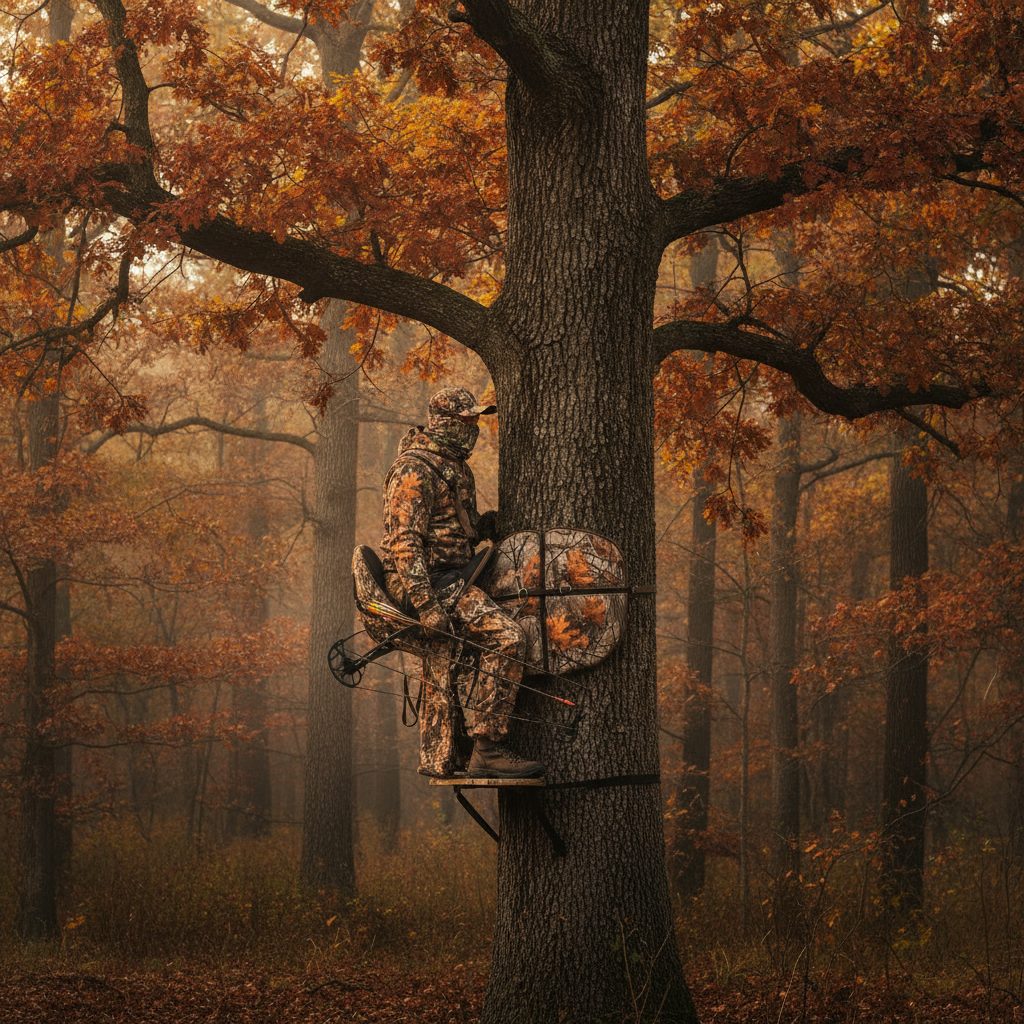
None of this works if your setup is slow or loud. The 2025 saddle market has done a lot to close that gap. Innovations like dual-panel saddles that pack down like a single — think Tethrd's RAD Button system on the Carnivore 2P — mean you're not sacrificing comfort for packability on a long walk-in. Lightweight aluminum and magnite-material platforms mean your total kit can stay under the threshold where it starts dragging on your pace.
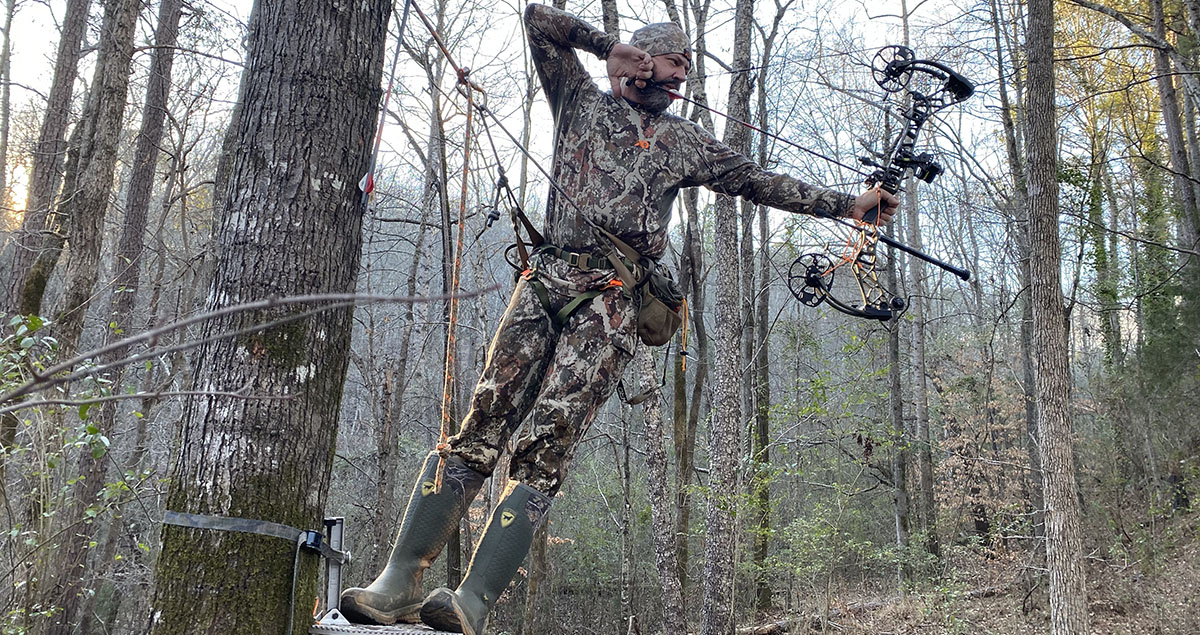
Speed matters because time on the ground equals risk. Every minute you're standing at the base of that tree, messing with gear, is a minute something can go wrong — a doe trots through, a squirrel sounds the alarm, a thermals shift catches you flat-footed. The hunters who've cracked the hang-and-hunt code aren't necessarily using the most expensive gear. They're using practiced gear. They've done the setup in the backyard at midnight. They can hang a stick and seat a lineman's belt without looking at their hands.
- Streamline your kit. If you haven't used a piece of gear in two seasons, it doesn't go on your back.
- Silence every contact point. Wrap stick-to-tree contact with fleece tape or similar. One metallic click at 5 a.m. can end the hunt before it starts.
- Practice the entry, not just the climb. Walk your approach in daylight. Know every deadfall and low branch before you do it in the dark.
- Have a bail-out plan. If the wind goes wrong 100 yards from the tree, the move is to abort — not push through and burn it.
Reset, Rotate, Repeat
The hardest discipline in mobile hunting isn't the physical part. It's leaving a tree alone long enough for it to recover. Most hunters pull the trigger on a location too soon, too often. Space your sits on any given tree by weeks if you can, not days. Let the entry corridor go cold. Let the scent wash out. Give the deer time to forget you were ever there.
This is where having a hit list of eight or ten trees across a property pays dividends. You're never waiting on one tree to reset because there's always another one ready to hunt. Rotate the list with the wind and the season phase, and suddenly you've got fresh sits — true first sits — available almost every time you head out.
The deer don't know how much gear you spent. They know whether they smelled you, heard you, or saw you. Build a summer scouting habit, build a mobile setup you can run silently and fast, and protect your locations like they're the last good ones on earth. Because on the right morning, with the right wind, that first sit is worth everything.