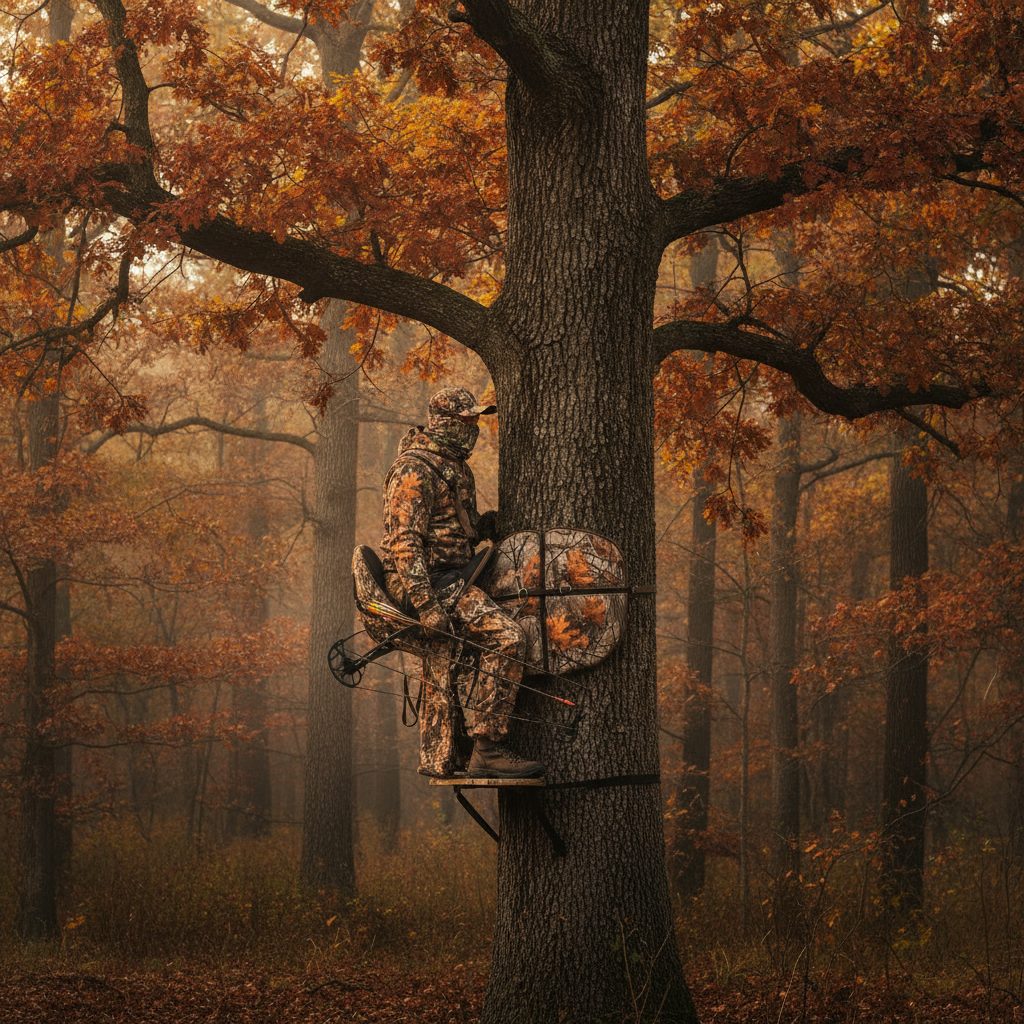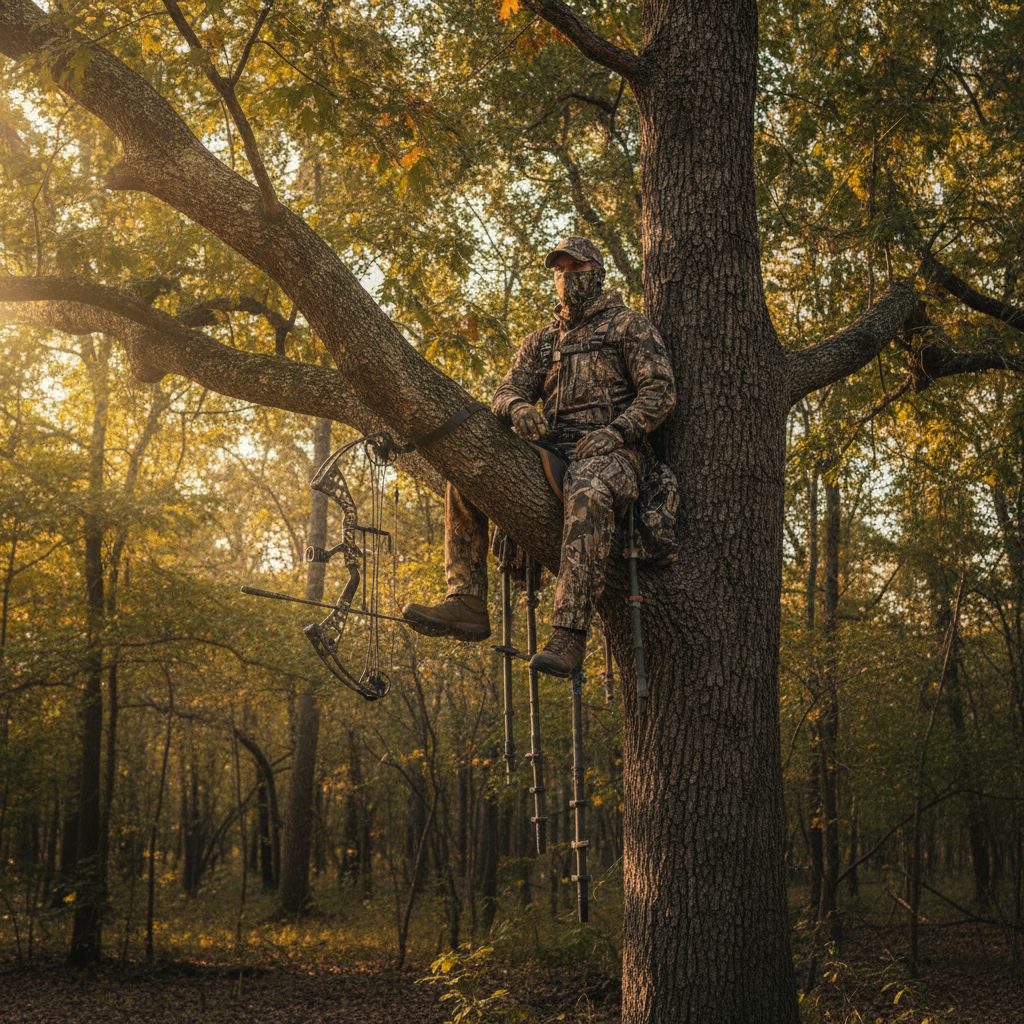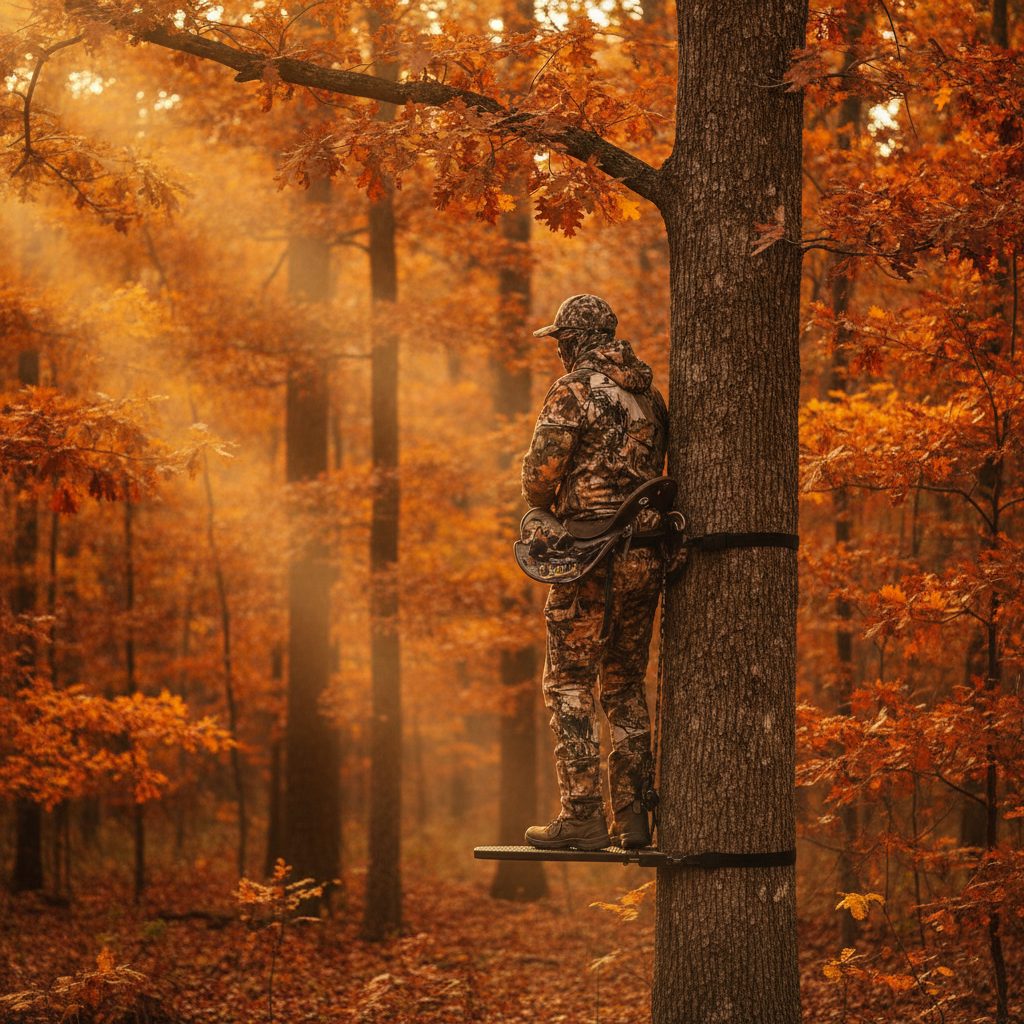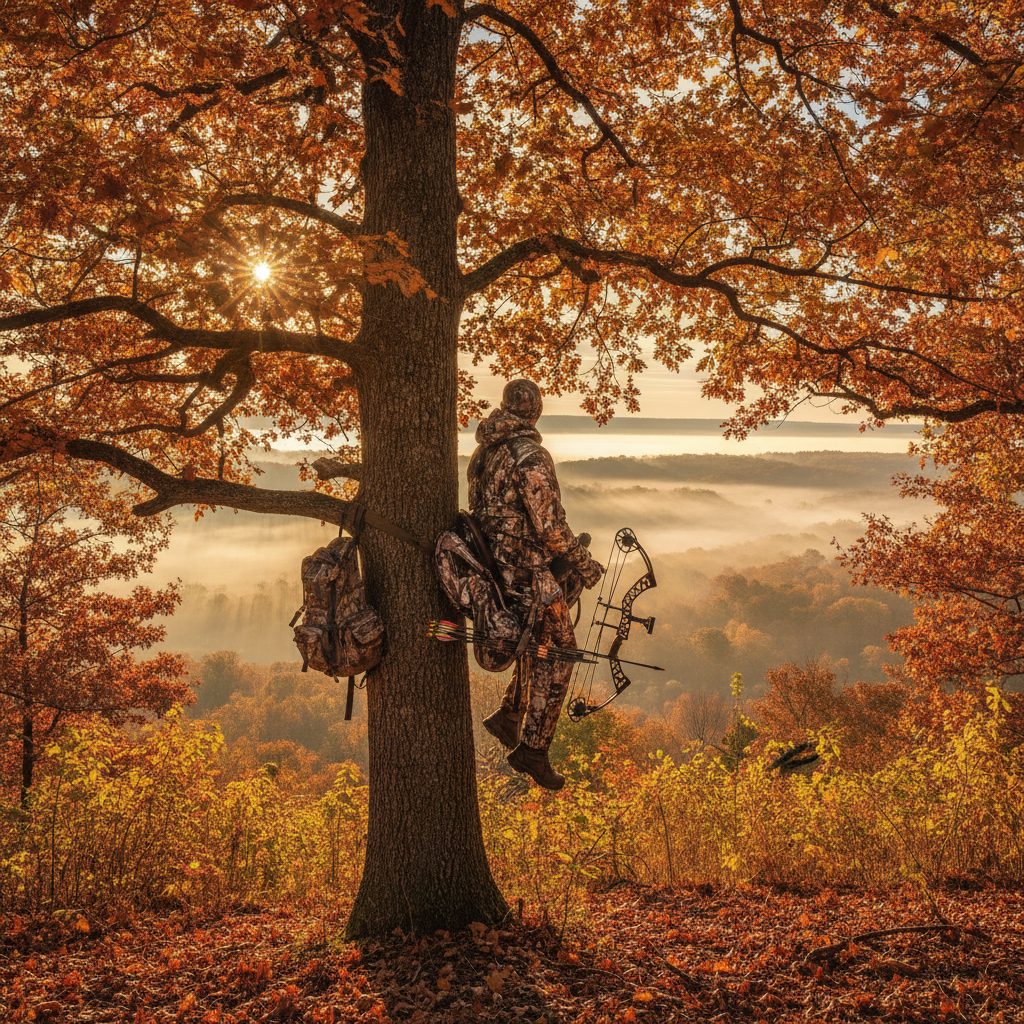
The $30 Fix That Makes All-Day Saddle Sits Actually Comfortable
You've dialed in your saddle. You've got the right platform, bomber sticks, a clean lineman's setup. You climb into your first all-day sit in November — and by 9 a.m., your hips are screaming. That nagging pressure where the bridge rope wraps tight against the outside of your hips has ended more sits than bad thermals ever will. It's got a name: hip pinch. And in 2026, the saddle hunting community finally has a real solution that's going mainstream.
What Hip Pinch Actually Is
When you lean into the tree and load your bridge — that short rope or amsteel loop connecting your tether to your lineman's belt attachment point — the bridge naturally tightens and pulls the panels of your saddle inward against your hips. The longer you sit, the worse it gets. Single-panel saddles feel it first. Two-panel designs spread load better, but no saddle is fully immune. On a two-hour evening sit it's tolerable. On a seven-hour all-day rut grind, it'll drive you out of the tree early. And leaving early costs deer.
Enter the Bridge Spreader
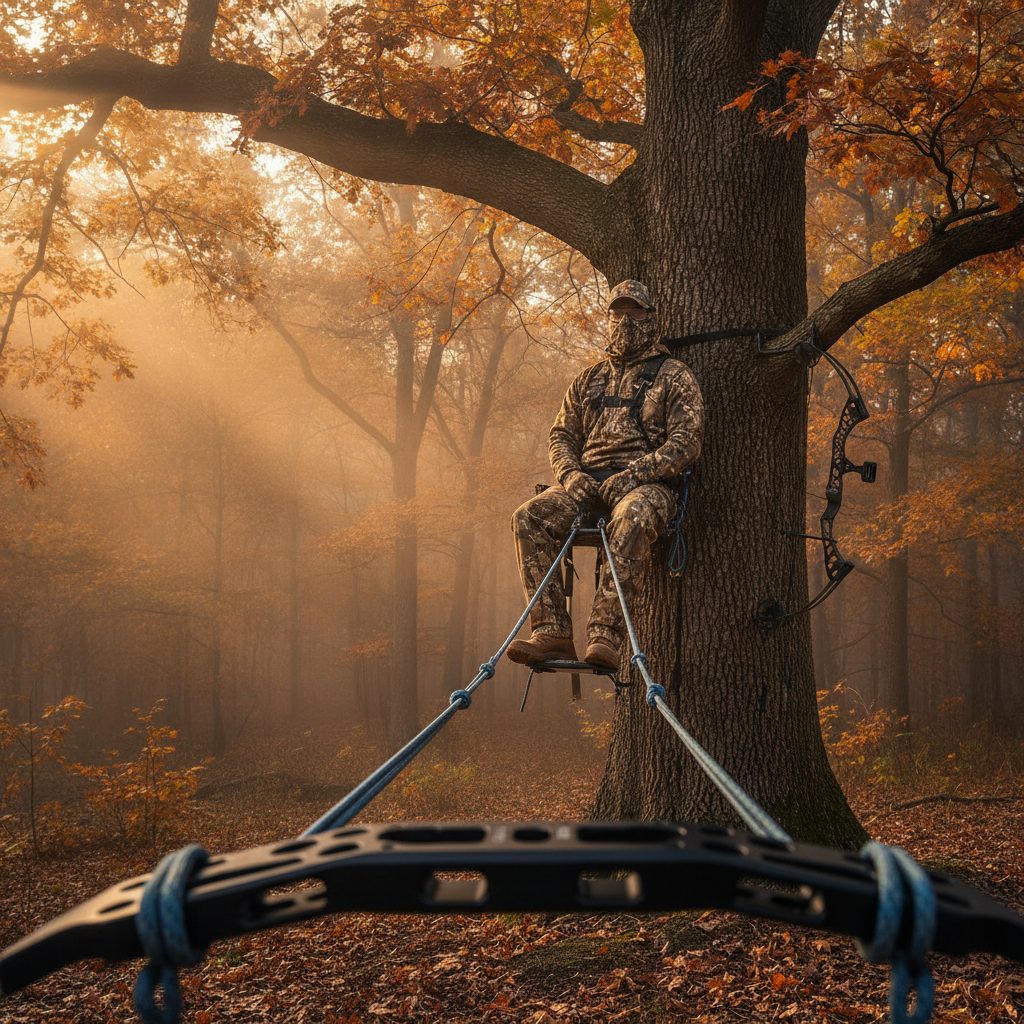
A bridge spreader is exactly what it sounds like: a rigid bar or device that clips onto your bridge rope and physically holds the two sides apart, keeping the rope from cinching inward against your hips. Simple concept. Surprisingly effective. Several companies have been iterating on this problem, and by early 2026 the category exploded.
Hang Free dropped new saddle hunting accessories including bridge spreaders as part of their January 2026 product run, joining a growing crowd. Genesis 3D Printing's Hip Pinch Eliminator uses flexible TPU end hooks that grip your bridge rope without chewing it up, and can be quickly deployed once you reach hunting height and stowed for the climb down. The Bridge Buddy plays the ultralight card at around two ounces — barely a rounding error in your pack weight. Hunt Arsenal came at it from a premium angle with their LUX Comfort Spreader Bar, an ultra-light carbon accessory engineered specifically to integrate with their CLOUD saddle bridge system.
Different executions, same goal: keep that bridge from digging into your hips so you can stay in the tree longer and hunt better.
Why This Category Is Blowing Up Right Now
A few things are converging. Saddle hunting has gone mainstream — more hunters than ever are making the switch from hang-ons and ladder stands, and a lot of them are newer to the game. They're discovering hip pinch the hard way, mid-sit, same as everyone before them. But now there's a community, there's YouTube, there are forums — word travels fast when something actually works.
There's also been a parallel trend toward longer sits. The mobile hunter who used to bounce setups every two hours has matured into a hunter who knows that patience plus position beats constant movement. All-day sits are becoming the play, especially during the rut. That changes the comfort calculus completely. Gear that was tolerable for short hunts becomes genuinely limiting when you're asking it to perform for ten hours straight.
What to Look For
- Bridge rope compatibility: Most spreaders are designed for 10mm rope or amsteel in that range — double-check yours before buying.
- Deployment speed: You want something you can clip on or snap open at height without dropping hardware 25 feet down in the dark.
- Weight: This is saddle hunting. Every ounce is a conversation. The best spreaders weigh almost nothing.
- Bridge longevity: A spreader doesn't just help your hips — it reduces the friction wear point where the bridge contacts your saddle's attachment hardware, which means your bridge rope lasts longer too.
The Takeaway
Look, this isn't a flashy piece of gear. It's not a new carbon platform or a limited-edition saddle collab. It's a small widget most hunters overlook until they've suffered through one too many blown sits. But the hunters who run them are vocal about it — the reviews read like converts, not customers. If you're planning any serious all-day sits this fall and you're hunting from a saddle, a bridge spreader should already be in your kit. It costs less than a tank of gas and buys you hours of comfortable, focused hunting. That's a trade worth making every single time.