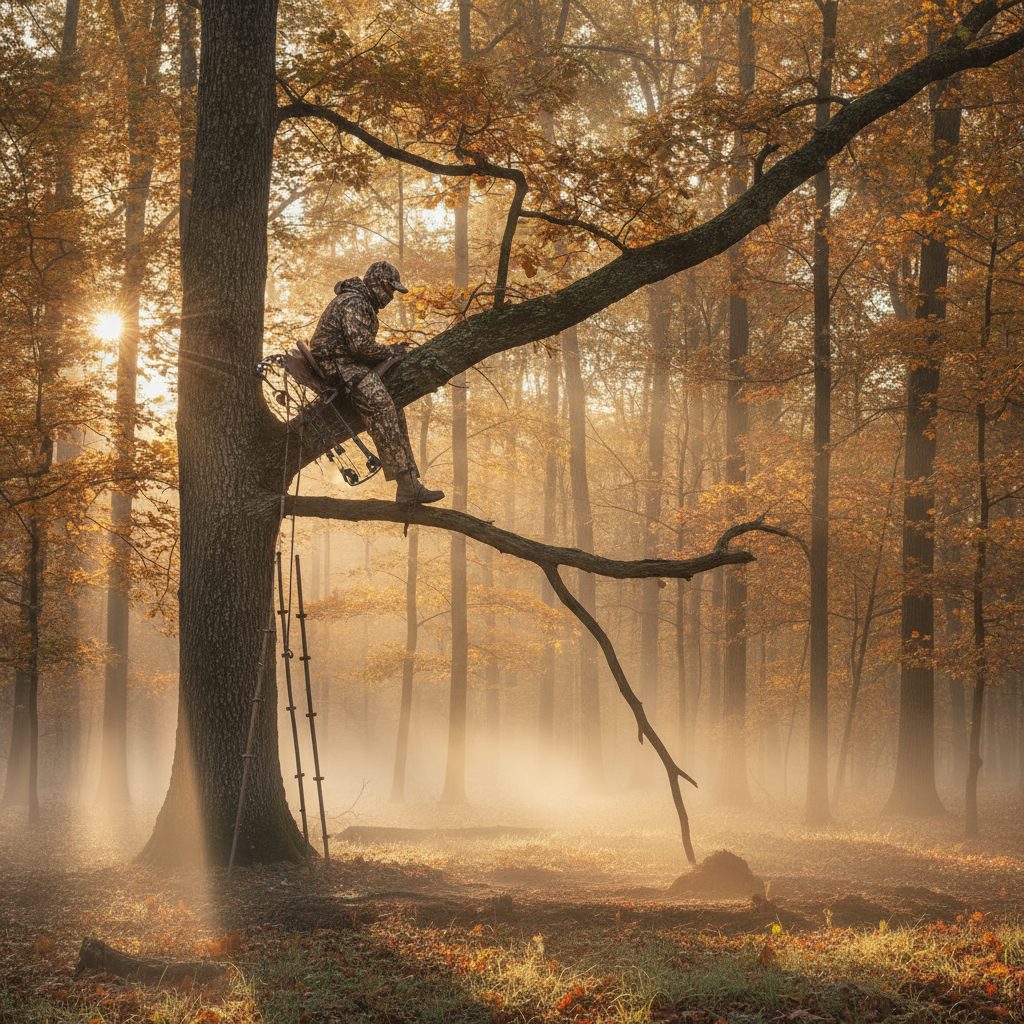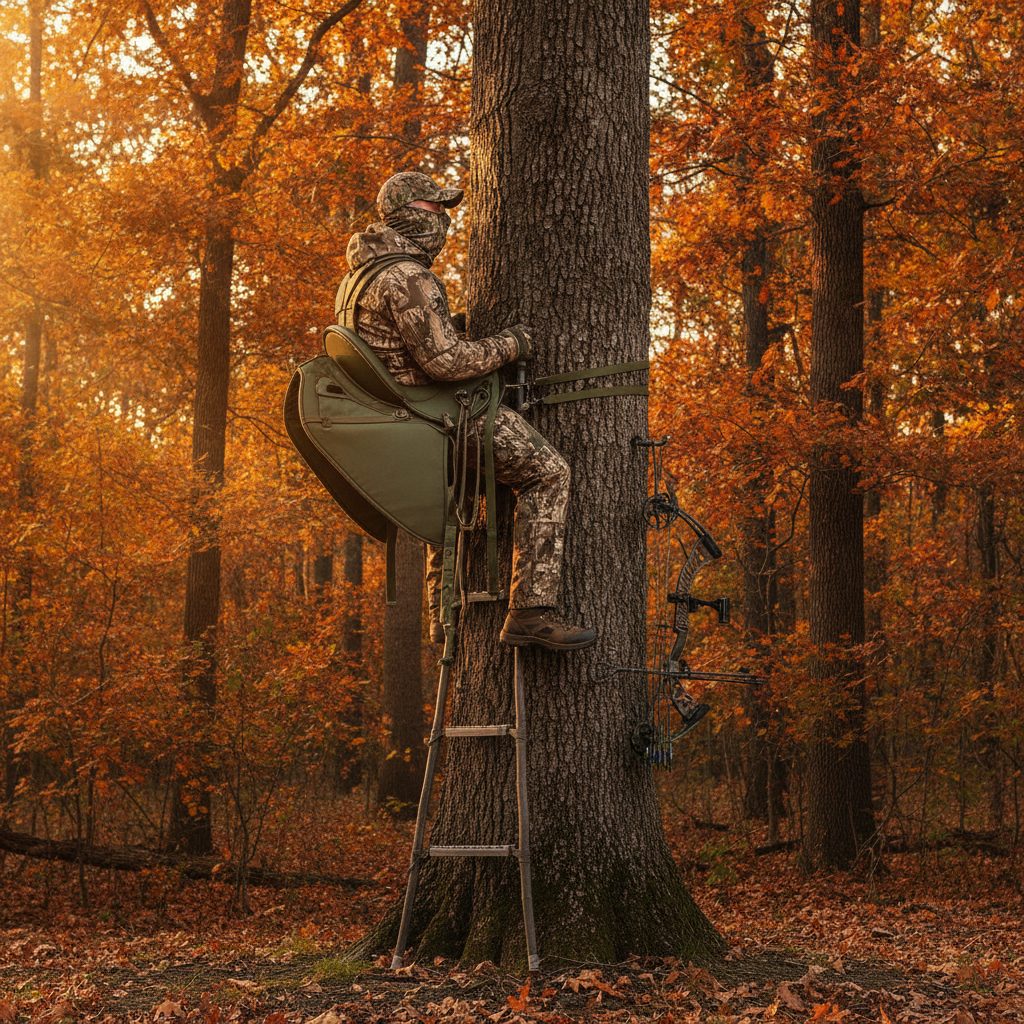
Saddle Hunting Just Earned Its Seat at the Big-Kid Table
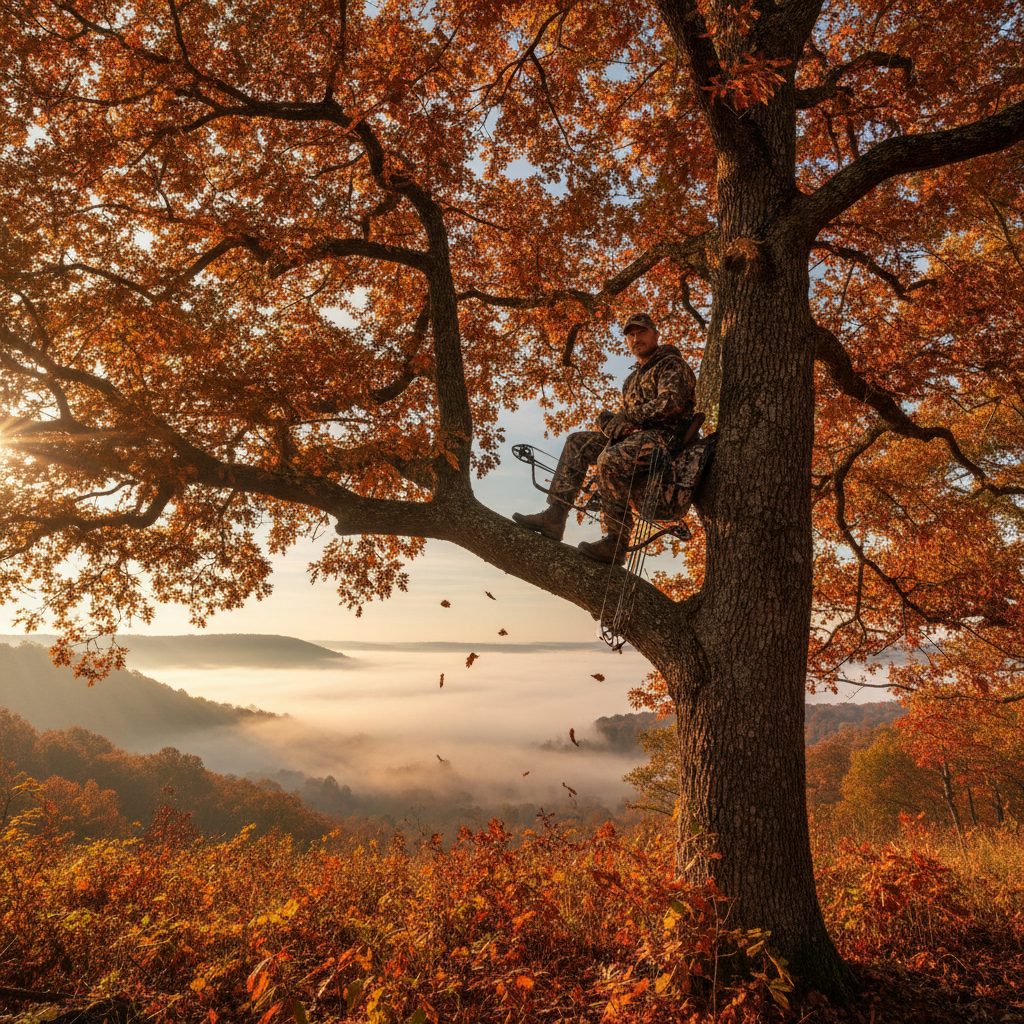
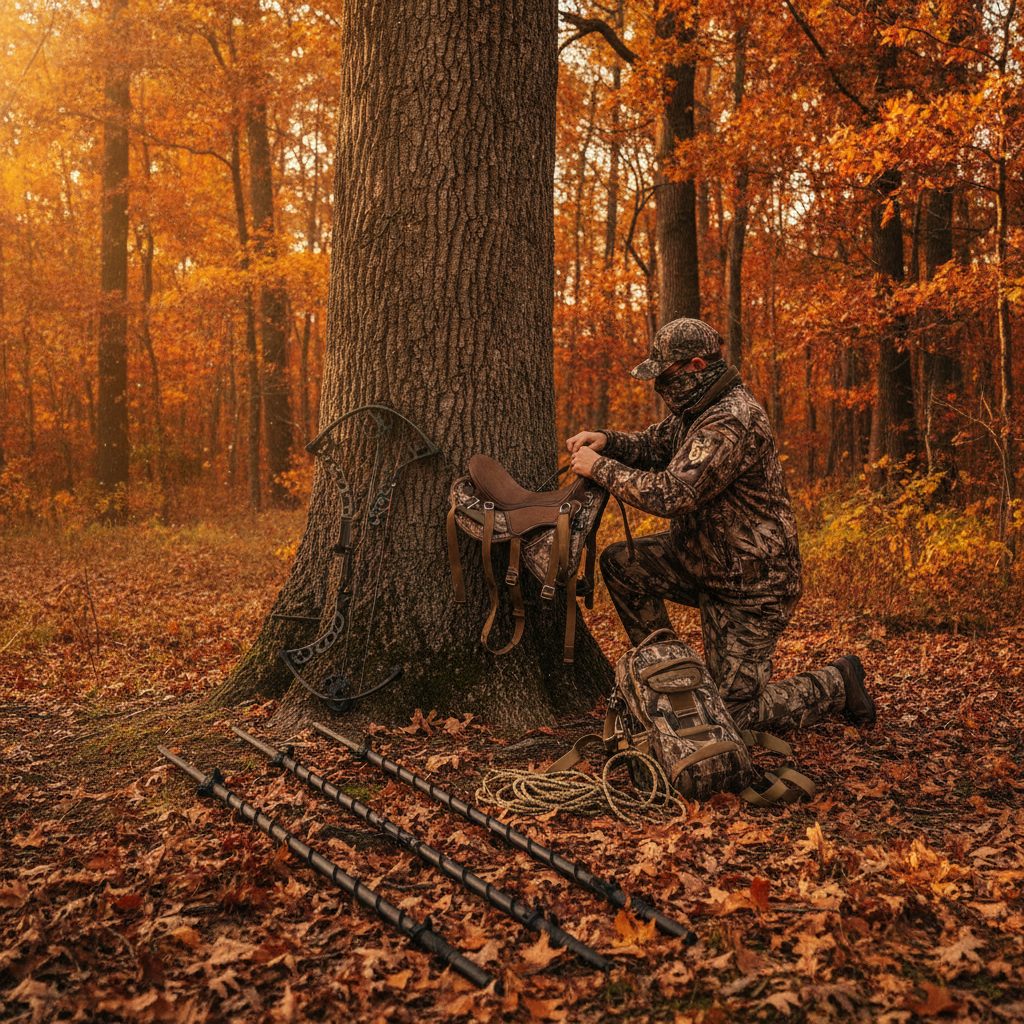
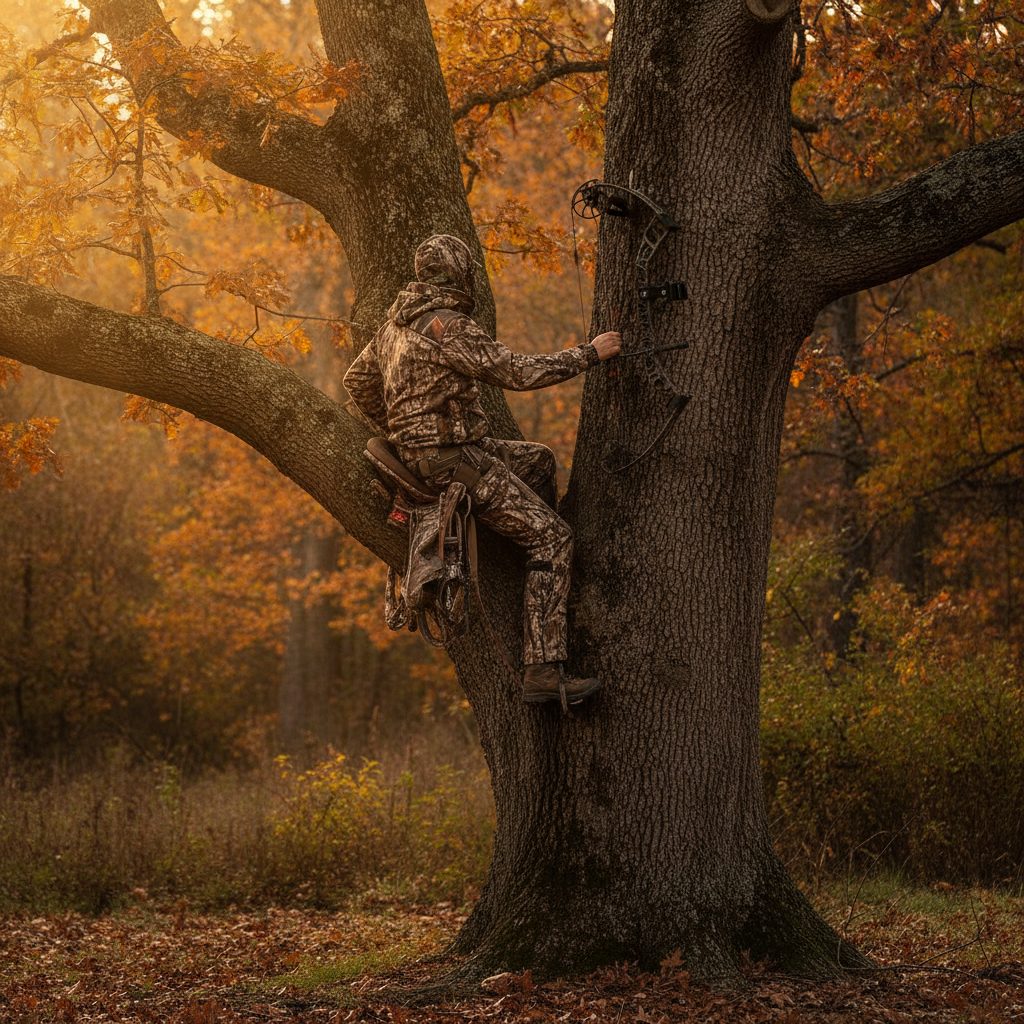
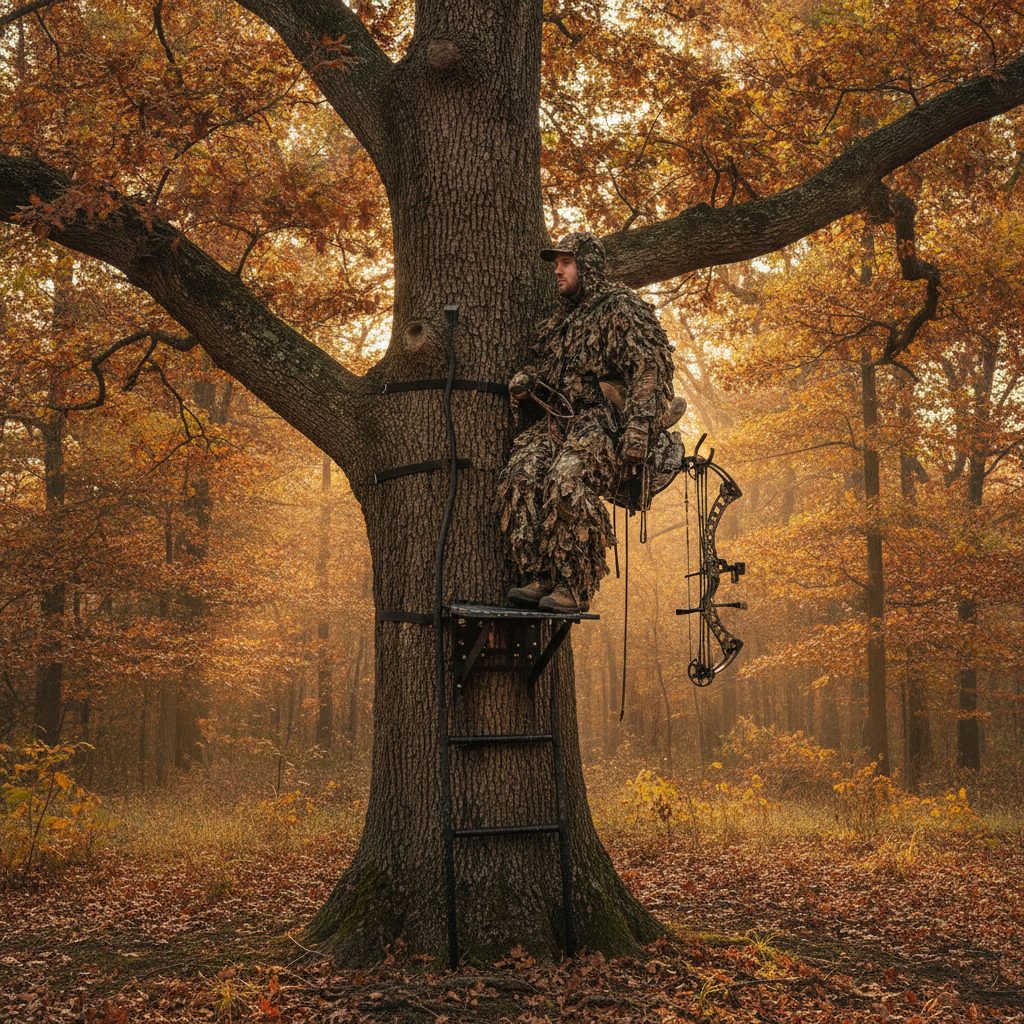
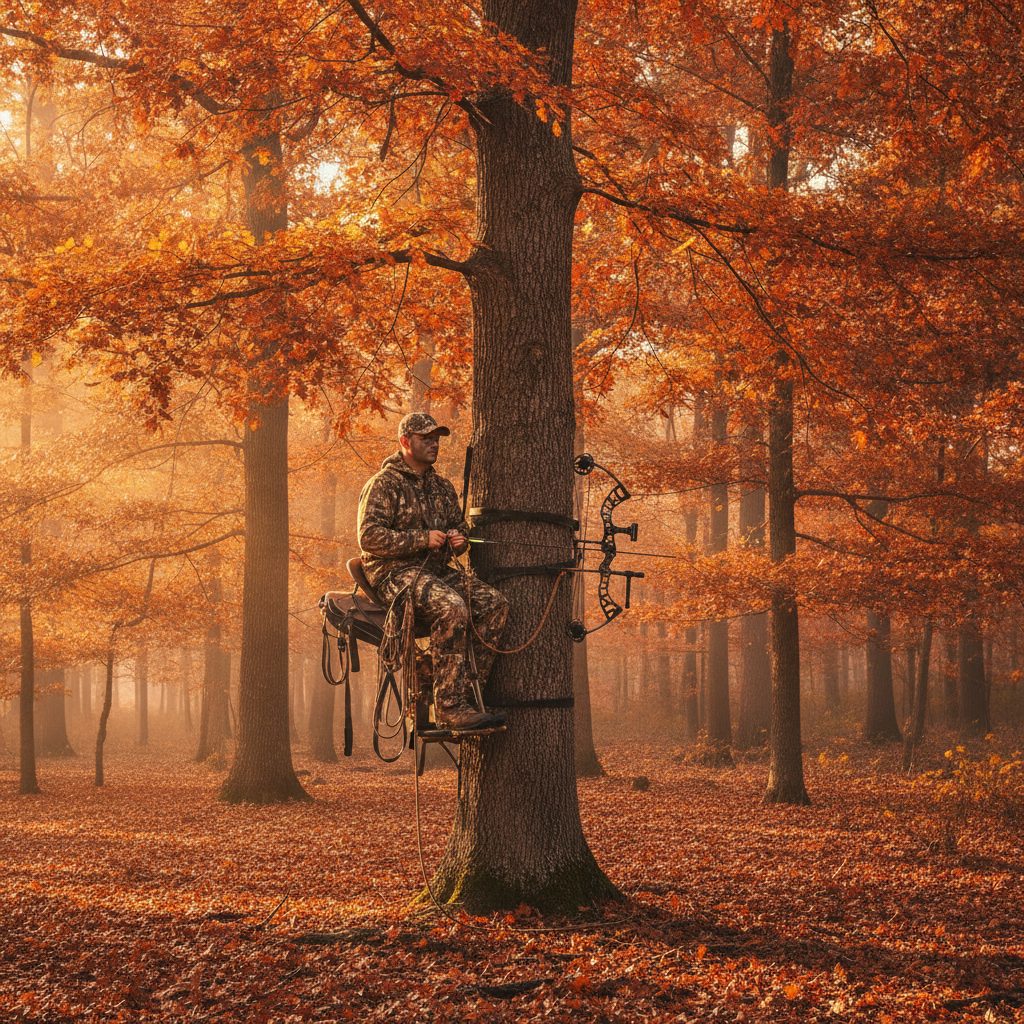
Something shifted this year — and if you've been paying attention, you felt it too. Saddle hunting didn't just grow in 2026. It crossed a line. The kind of line that separates a passionate subculture from a legitimate, mainstream market segment. The gear, the coverage, the consumer behavior — all of it is pointing in the same direction at once.
The Media Can't Ignore It Anymore
When Field & Stream — one of the oldest, most traditional hunting publications in North America — publishes a ranked, fully tested "Best Tree Saddles of 2026" buyer's guide, that's not a trend piece. That's confirmation. Legacy outdoor media doesn't commit editorial real estate to gear categories that aren't moving product and driving reader interest at scale. Saddle hunting earned that coverage. The readers demanded it.
Meanwhile, Bowhunting.com ran a dedicated new-product roundup covering saddles and platforms for the 2026 season — not as a sidebar, but as a standalone feature. The message is consistent: this stuff is no longer niche. It's a full category.
The Product Launches Back It Up
The gear side of this story is equally telling. Tethrd, already the brand most responsible for sparking the modern saddle surge, released the Phantom XP for 2026 — a design that pulls the expandable panel from the Ultralock, the Lay-flat loops and Quad Lock bridge from the Carnivore 2P, and wraps it all in the low-profile fit the Phantom line is known for. That's not a refresh. That's a company that knows its customer base is sophisticated now, and is building accordingly.
Hunt Arsenal dropped the Cloud Flexx, a pleated-panel design that takes direct aim at the comfort-versus-minimalism tradeoff that has frustrated hunters since the early days of saddle adoption. And ScentLok — a brand with deep roots in the conventional treestand world — launched the Saddle Hunter Pro Jacket and Pant, a purpose-built, activity-specific apparel system with windproof membrane, articulated knees, and pocket placement designed around the realities of hunting in a saddle rather than sitting in a box blind. When an apparel giant starts engineering fabric specifically for saddle hunters, you know the market is real.
Why This Moment Matters
Here's what's actually interesting about fall 2026: the innovations aren't just about weight savings anymore. The earliest wave of saddle gear was almost exclusively obsessed with going lighter. Shave an ounce here, swap aluminum for carbon there. That race isn't over, but it's no longer the only race being run.
The current generation of products is solving harder problems — comfort for all-day sits, apparel that actually works with the hunting position, adjustment systems that don't require a degree in knot science. That evolution signals a maturing market. Companies don't invest in solving comfort and usability problems until they're confident the customer base is sticking around.
- Expandable panel saddle designs are becoming standard, not premium
- Purpose-built saddle apparel from established brands signals category maturation
- Mainstream hunting media now covers saddle gear with the same depth as conventional treestand equipment
- Entry-level options have multiplied, lowering the barrier for new hunters to adopt the method
What It Means for the Run-and-Gun Hunter
If you've been at this a few years, the validation feels good — but don't mistake it for a reason to get complacent. More mainstream attention means more hunters in the woods running saddle setups. That's not a bad thing for the community, but it does mean the edge you once had from hunting spots other guys weren't willing to access with a climber or hang-on is going to narrow. The answer is the same as it's always been: stay mobile, keep learning the timber, and don't let your rig get stale.
The saddle hunting market earned its seat this fall. Now the pressure is on the hunters running this gear to keep making it count.