One Rope, Two Jobs: Upgrade Your Lineman Setup for Late Season
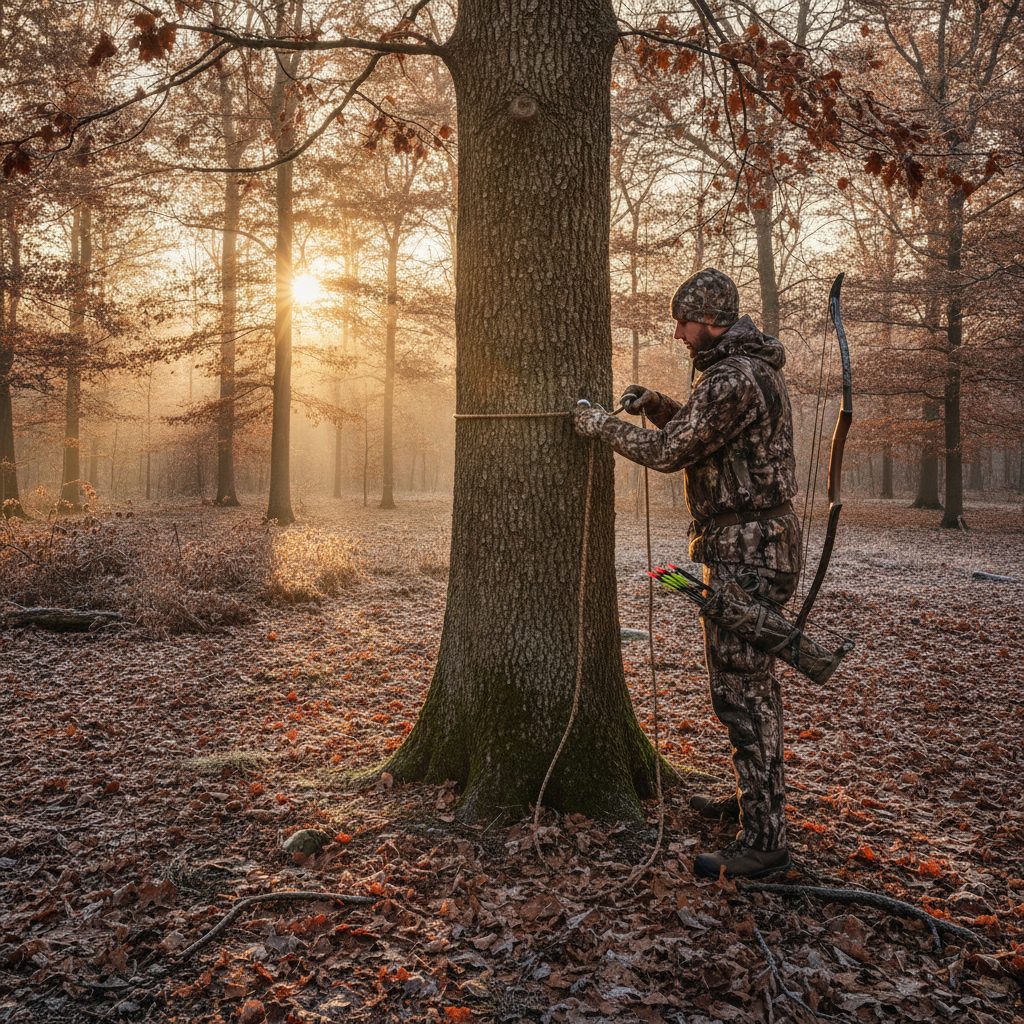
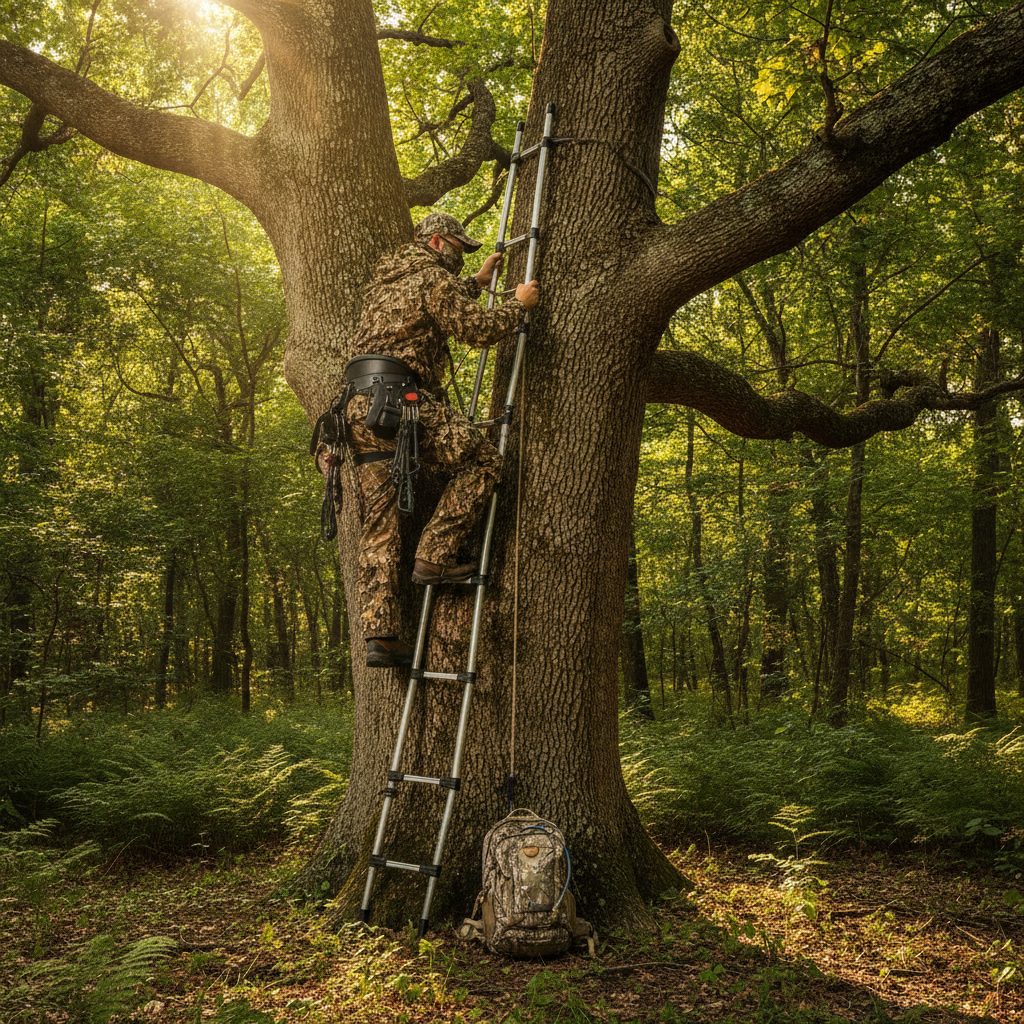
Most saddle hunters obsess over saddle panels, platform weight, and stick diameter. Meanwhile, the rope wrapped around the tree while they're hanging sticks twelve feet up barely gets a second thought. That's backwards. Your lineman belt is the piece of kit doing the most dangerous job in your entire setup — keeping you attached to the tree during the climb — and for a long time the options were either a chunky 11mm rope that worked fine or a DIY Amsteel rig that required you to actually know what you were doing with knots. That gap has been closing fast in 2026.
The Case for Going Thinner
Tethrd introduced a redesigned 8mm rope system this season that functions as both a lineman belt and a tree tether — one rope, dialed to handle both jobs depending on how you rig it. The move to 8mm isn't just about saving weight, though that's real. It's about how the rope behaves in your hands when you're half-frozen at 5 a.m., one hand on the tree, trying to snug your belt before you hang the next stick. Thinner rope with the right knot slides and locks with far less effort than a traditional half-inch cord. That matters more in November than it does on a warm September afternoon in the backyard.
The connection method makes all the difference. Where the older 11mm setups relied on a Prusik hitch — perfectly functional but demanding two hands and decent finger dexterity to adjust — the newer 8mm rope uses a Cornell Hitch configuration that moves cleanly under load and locks when you need it to. One-handed adjustment while your off hand stays planted on the tree is not a luxury; it's a safety feature. If you're hanging sticks in the dark, that distinction is everything.
What to Actually Look For in a Lineman Rope
Not all rope upgrades are created equal, and it's worth slowing down before you just grab whatever's cheapest. Here's what actually matters:
- Diameter and stiffness: Thinner rope saves weight and pack space, but it needs enough body to hold your hips off the tree when you lean back. Eight millimeters hits the sweet spot for most saddle hunters. Go too thin and you lose that standoff, which means your feet slide and your stick installation gets sloppy.
- Connection method: Mechanical adjusters like the Wild Country Ropeman have become a go-to for a reason — fast, one-handed, repeatable. A good friction hitch cut from the right cord diameter works too, but takes practice. Know which you're running before you're fifty feet up a hillside at first light.
- Length: Standard eight-foot lineman ropes cover most hardwood timber. Hunt big-bodied oaks or cottonwoods in river bottoms and you may find yourself short. Know your hunting ground.
- Rated strength: This isn't a component to cheap out on. Use purpose-built rope rated for fall arrest. No paracord, no improvised solutions. Full stop.
The Dual-Purpose Play
Running one rope that handles both lineman and tether duty simplifies your kit in a real way. Fewer components, less to organize in your saddle pouch, and one less thing to forget on the tailgate. The tradeoff is that you have to be intentional about how you rig for each role — the connection point and adjustment method change depending on whether you're climbing or hunting. Practice it at home until it's automatic. Late season is not the time to figure out your rope system.
The 8mm dual-purpose approach also pairs naturally with a Ropeman or similar cam-style ascender, which turns both jobs into smooth, single-handed operations. No more fussing with Prusik knots through wool gloves when it's twenty-eight degrees and the wind is ripping. That alone is worth the upgrade price for a lot of hunters.
Don't Sleep on Your Connections
While you're auditing your rope system, pull your carabiners out of the pouch and look at them. Screwgate carabiners accumulate grit and grime through a season of hard use. Gates that don't close cleanly are gates that don't lock. Ultralight screwgates shed weight without sacrificing load ratings, and swapping to a matched set while you're upgrading your rope is an easy, low-cost win.
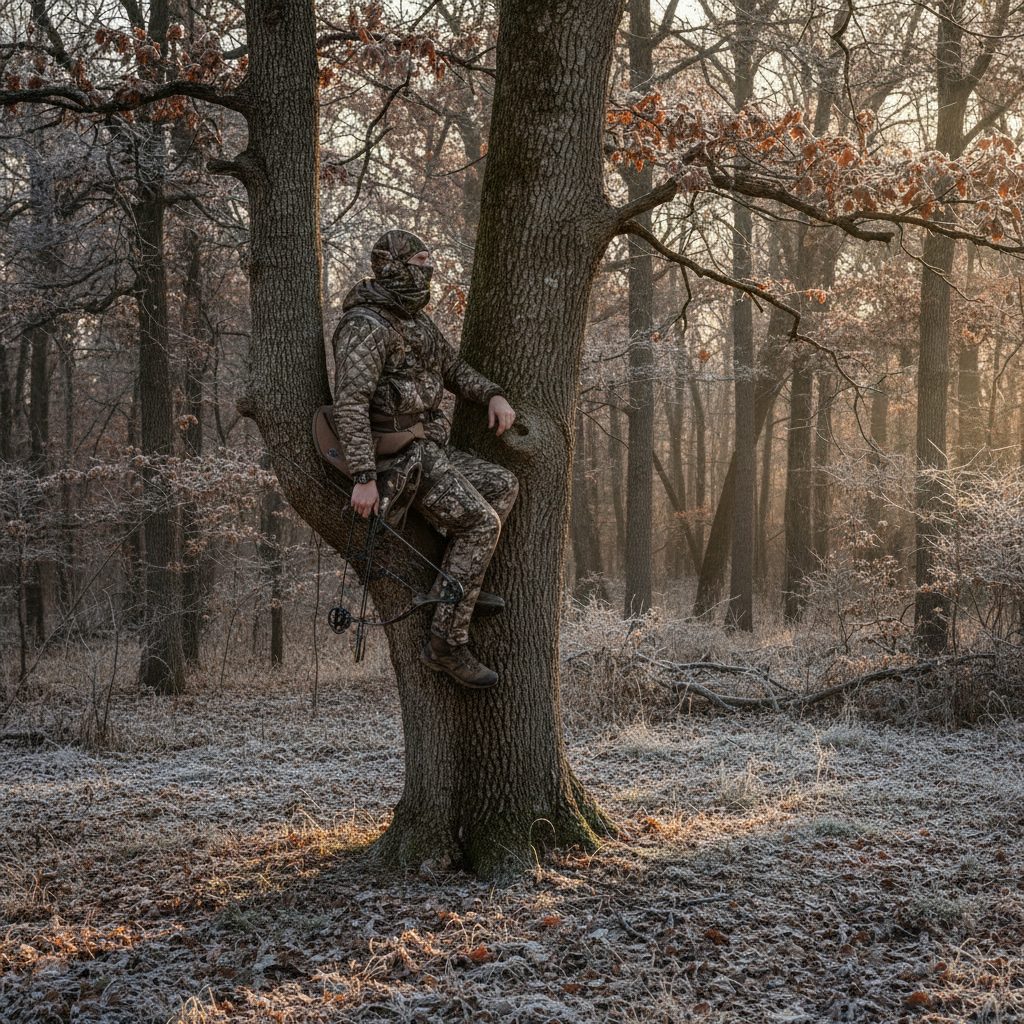
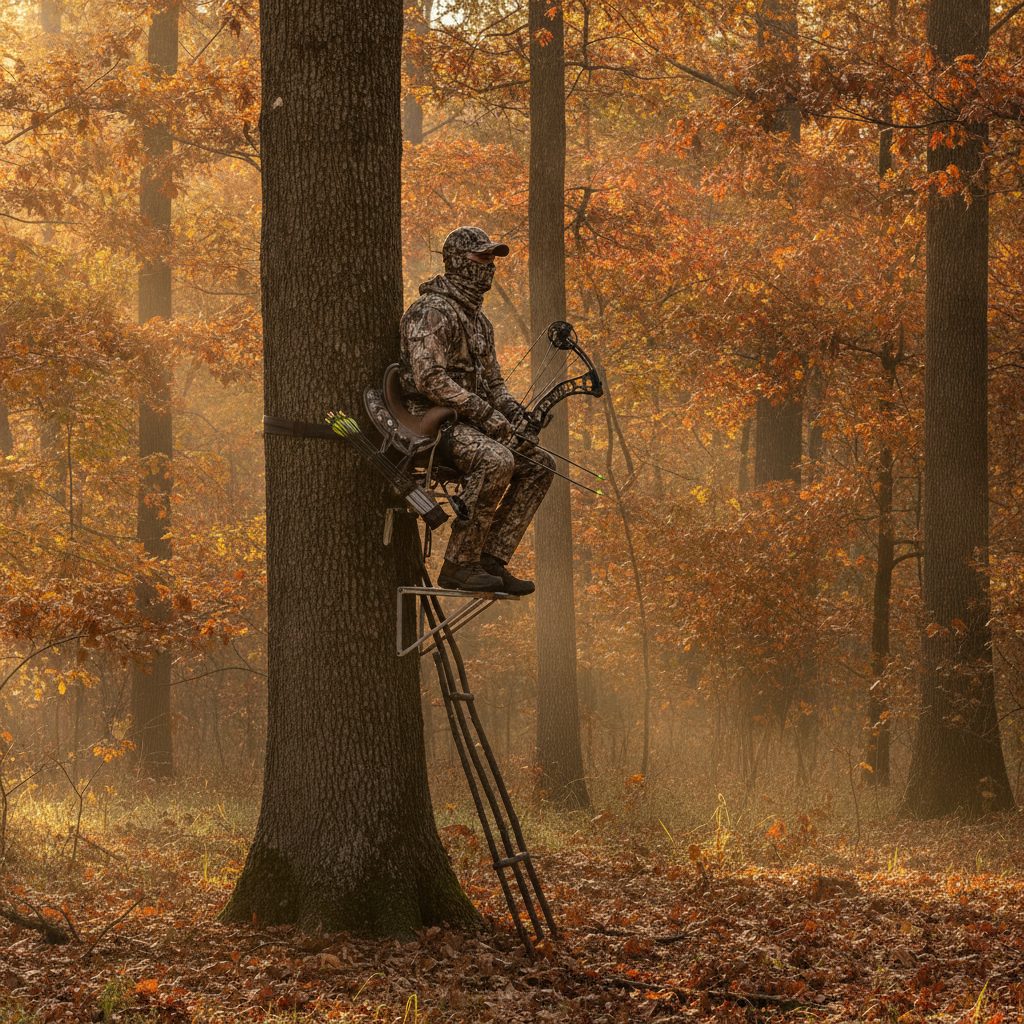
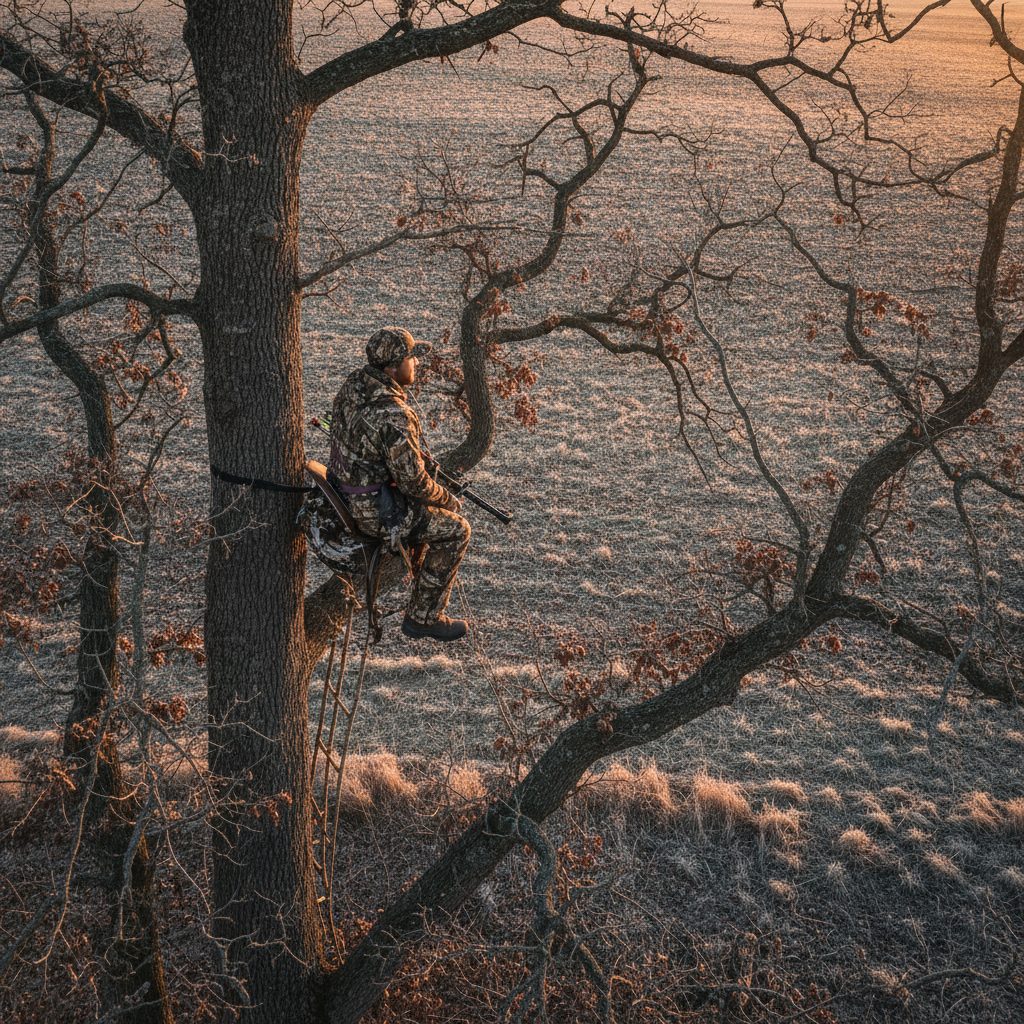
The lineman belt might be the least glamorous piece of gear in saddle hunting, but it's the one doing the most critical work. The new generation of 8mm rope systems — dual-purpose, lighter, and built around one-handed adjustment — finally gives mobile hunters a real upgrade over the chunky half-inch setups most of us started with. If your current rope is showing wear, smells like last season, or just never felt quite right, now's the time to fix it. The rut might be winding down, but there's still plenty of late-season timber to climb.