Summer's the Season to Build Your Mobile Rig for Fall
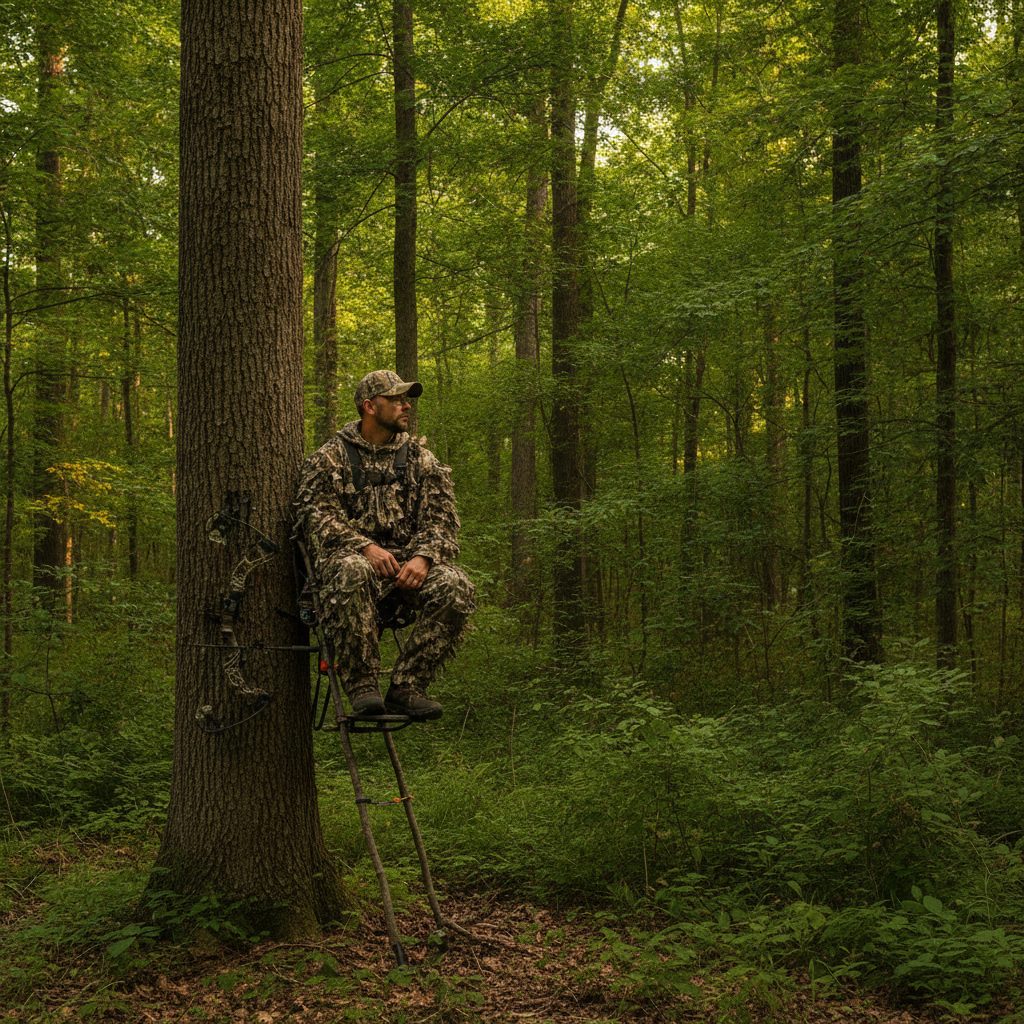
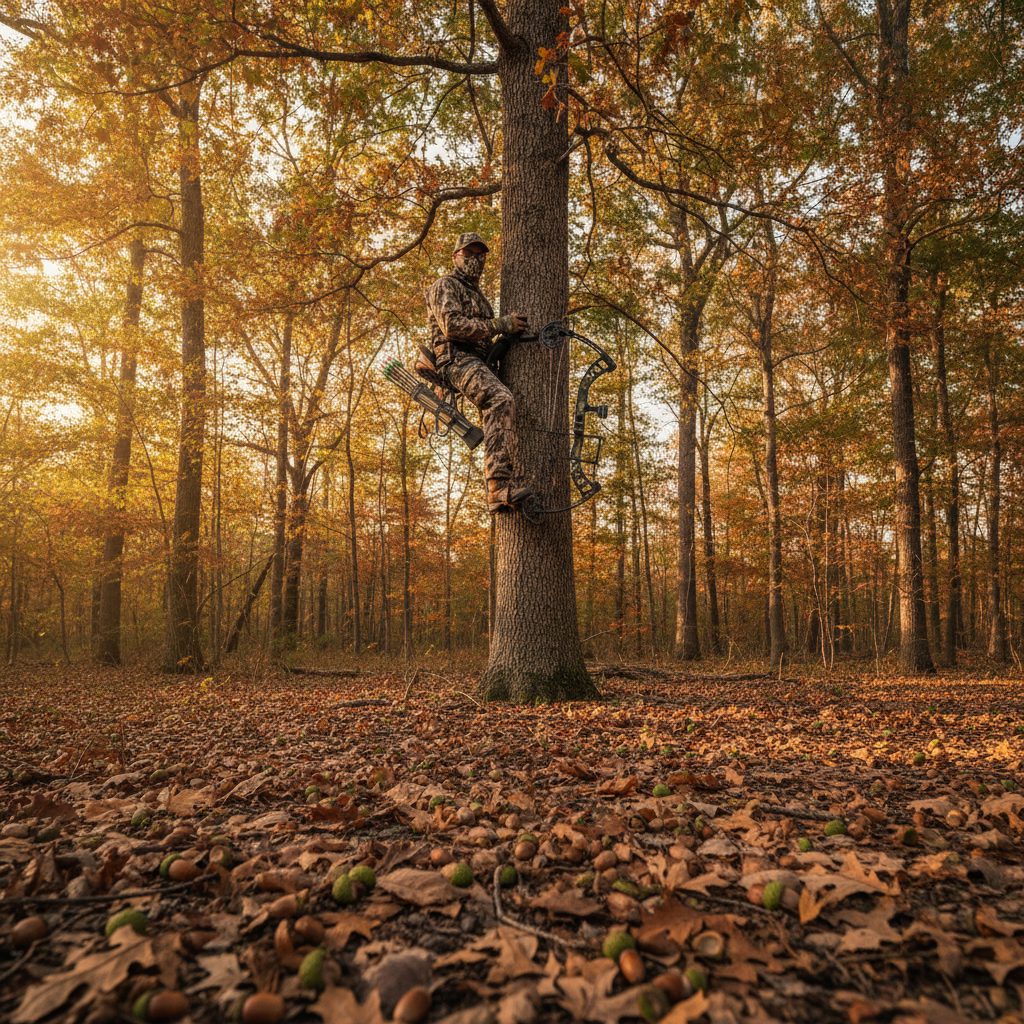
Here's the honest truth most hunters skip past: the mobile hunter who kills mature deer in October started building that advantage in June. Not in the woods — at the kitchen table, in the garage, on a flat patch of carpet with every piece of gear laid out in front of them. The 2026 product cycle has quietly been one of the strongest for mobile and saddle hunters in recent memory, with new climbing sticks, platforms, and carry systems flooding the market from January's ATA Show all the way through spring drops. That's great news. It's also a reason to pause, audit what you've got, and figure out what's actually worth adding before season rolls around.
Start With a Honest Weight Audit
Pull everything out of your pack. Climbing sticks, platform, saddle, lineman's belt, bridge system, tether, accessories — all of it. Weigh it. Not to obsess over grams, but to understand where your ounces are going. The mobile hunting industry in 2026 has pushed hard into the ultralight space, and if your system still tips the scales like a hang-on stand with extra hardware, you're probably leaving mobility on the table. Brands like OOAL, Latitude, Tethrd, and Trophyline have all iterated in the last twelve months specifically around weight reduction without sacrificing the rigidity and bite hunters depend on at elevation.
Once you know your starting weight, you can make smart decisions rather than impulse buys. Maybe your sticks are still the right call but a lighter bridge spreader or a redesigned carry solution would cut your load meaningfully. Maybe it's the platform. Maybe nothing needs to change. But you won't know until it's all on the scale.
Run Your System Before You Need It
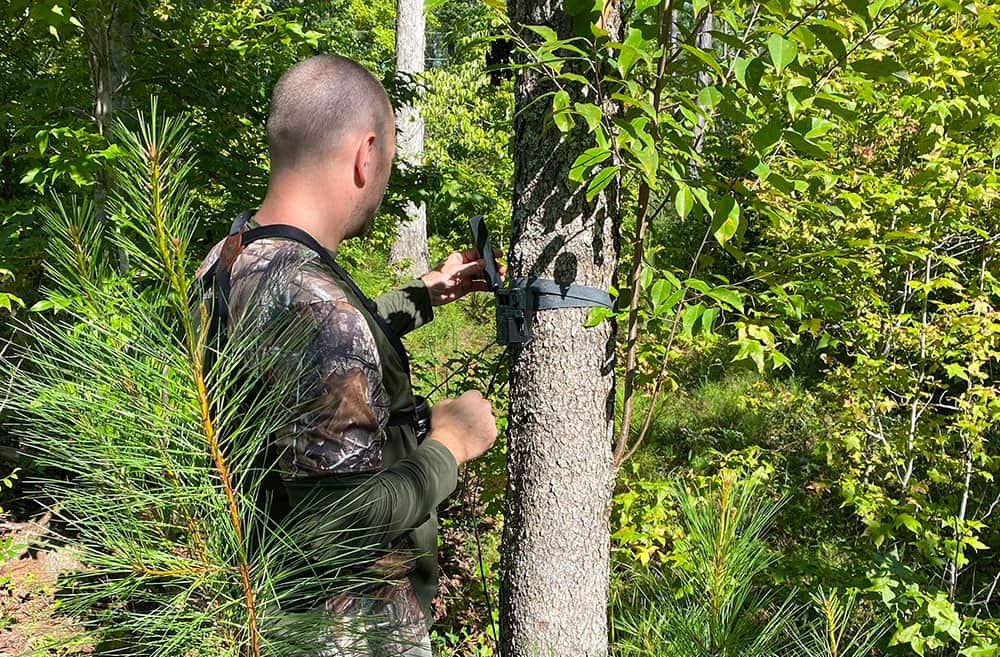
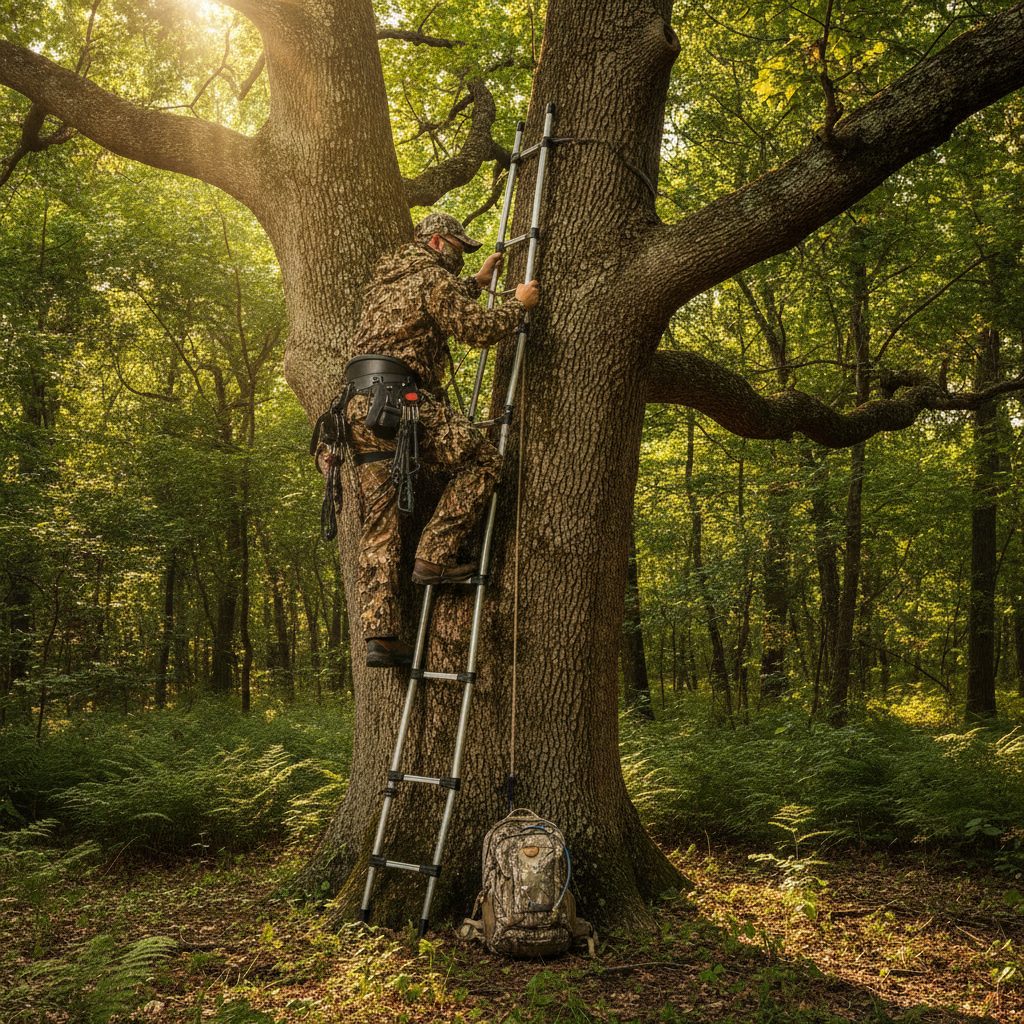
Summer is the single best time to put reps on your setup. Not in a hunting context — in a pure mechanical familiarity context. Find a practice tree in the backyard or a woodlot you have access to. Hang sticks, climb, settle into your saddle, and do it again. Do it until every cam buckle, every lineman's clip, every stick attachment is automatic. The hunters who fumble at first light in October are the ones who only touched their gear on the drive to the lease.
Work through the entire sequence. Unpack, attach your first stick, clip in with the lineman's, hang the second and third sticks, climb, deploy the platform, clip your tether — time yourself. If any step slows you down or produces noise you wouldn't want a deer to hear, fix it now. Swap hardware, add rubber shrink wrap to metal-on-metal contact points, re-rig your rope system. Summer is free. October is not.
Think in Systems, Not Individual Pieces
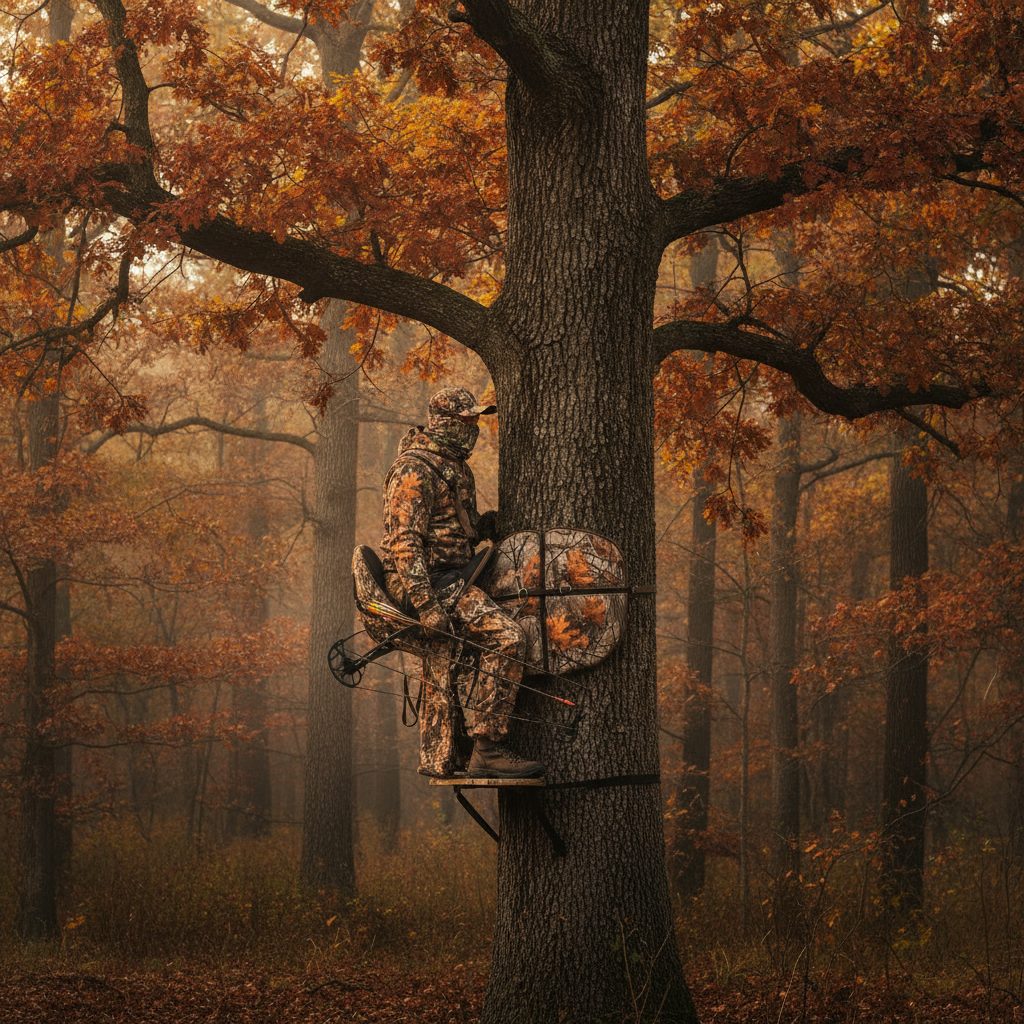
The most common mistake new mobile hunters make is building a Frankenstein rig — best-in-class sticks from one brand, a platform from another, a saddle from a third, and a pack that barely fits any of it. There's nothing wrong with mixing brands, but every component needs to work with the others, not just independently. Your sticks need to pack efficiently with your platform. Your saddle needs a bridge length matched to your tree diameter tendencies. Your pack needs to carry the whole load without bouncing or swinging during a three-mile public land hike.
The brands investing most heavily in complete-system thinking right now are doing so because the market is telling them hunters want cohesion. Pay attention to carry solutions, stick holsters, and platform attachment methods when you're evaluating gear — those integration points matter more than raw specs on any single item.
Preseason Is Also Gear Shakeout Season
There's one more thing summer practice trees are good for: finding problems with new gear before you're 18 feet up in the dark on November 4th. New products debut with real-world quirks. Cam straps that loosen in cold temps. Steps that shift underfoot on skinny timber. Bridge lengths that felt right in someone else's video but don't match your body geometry. None of those surprises are dangerous if you've already found them in the backyard.
Send it on the new gear now. Climb it, load it, stress-test it. That's how you show up to October with a system you trust — not one you're still figuring out.
- Weigh your full system before making any upgrade decisions.
- Practice full setup sequences on a known tree at least a dozen times before season.
- Audit carry and integration — how your sticks, platform, and pack move together matters as much as each piece individually.
- Shake out new gear now so surprises happen in the backyard, not at first light.