How to Lock Down Your 2026 Mobile Rig Before a Single Leaf Turns
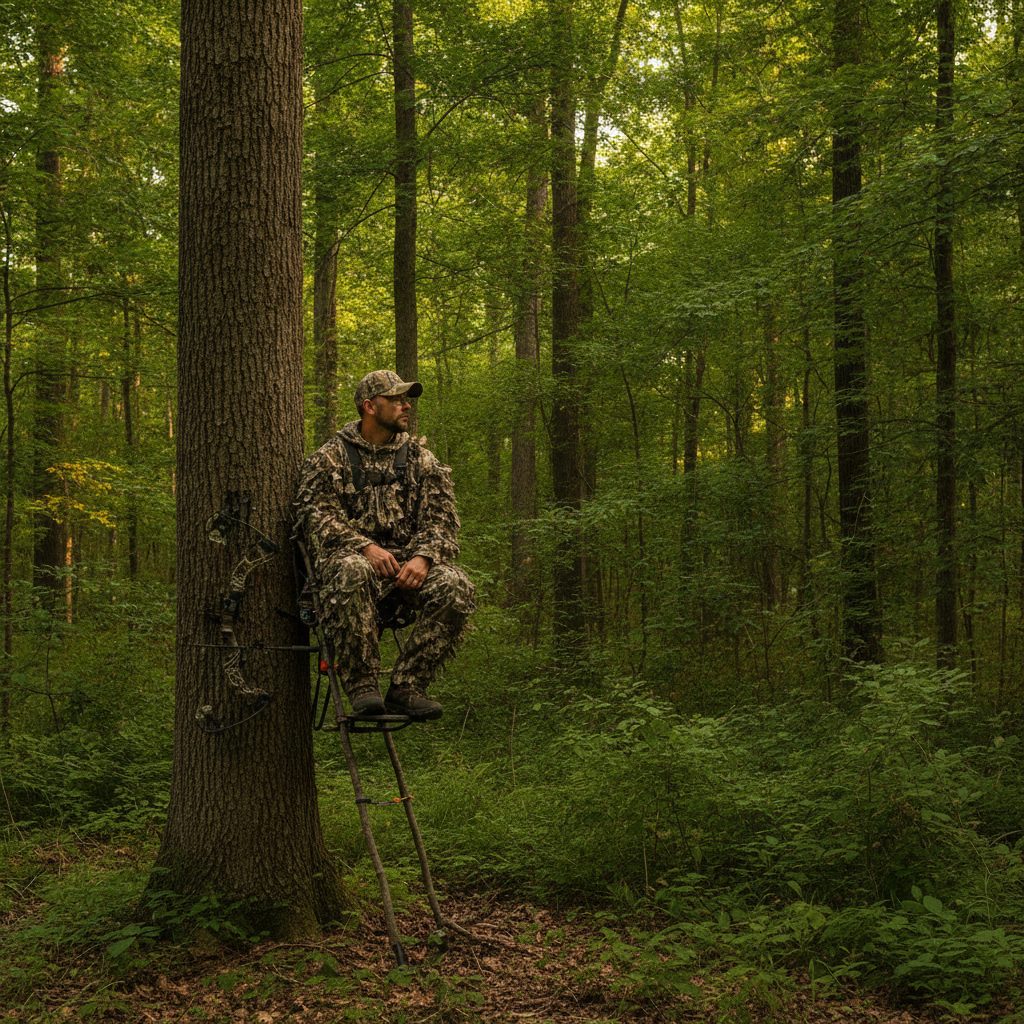
Most deer hunters are still in couch mode right now. That's exactly why you should be in the woods — or at minimum, in the garage sorting gear. July is the quiet month that separates the hunters who kill mature deer consistently from the ones who scramble to hang a set the night before season. If you run a mobile saddle system, you've got a tighter checklist than your treestand buddies, and there's no better time to run through it than right now.
Audit Your System Like It's Never Left the Shelf
Pull everything out. Every strap, every cam buckle, every lineman's rope, every stick strap. Lay it flat on the driveway and go piece by piece. Saddle hunting systems take a beating — UV exposure, sweat, the odd tree scrape — and webbing that looked fine when you hung it in the garage after last season may be a different story six months later. Inspect every bridge component, every carabiner gate spring, and every tether lanyard. If there's any fraying, any stiffness in a gate, or any webbing that looks sun-baked, swap it. Gear is cheap. A fall isn't.
While you're at it, think hard about whether your current rig is actually working for you. The 2026 saddle market has pushed the design envelope hard. Tethrd's new Phantom XP, for example, took the expandable panel concept and married it to the low-profile fit of the original Phantom line, adding a friction-based tensioning system that locks the extra material down for the walk-in and deploys fast once you're tethered. If you've been fighting hip pinch or reach issues on your current saddle, now — not October — is the time to address it. A new saddle takes a handful of practice climbs to dial in. Give yourself that runway.
Think System, Not Just Saddle
Here's a mistake a lot of newer mobile hunters make: they obsess over the saddle and treat everything else as an afterthought. But the sticks, the platform, and the pack are just as mission-critical. Lone Wolf's new Ranger Hybrid is a good example of the industry pushing hybrid options — a platform that blurs the line between a traditional hang-on and a dedicated saddle deck, cable-free, sub-six-pounds, and genuinely versatile for the hunter who wants options mid-sit. The point isn't to sell you on any specific piece. The point is that your whole system needs to work together, and July is when you find the weak link before it bites you on a public-land morning hunt.
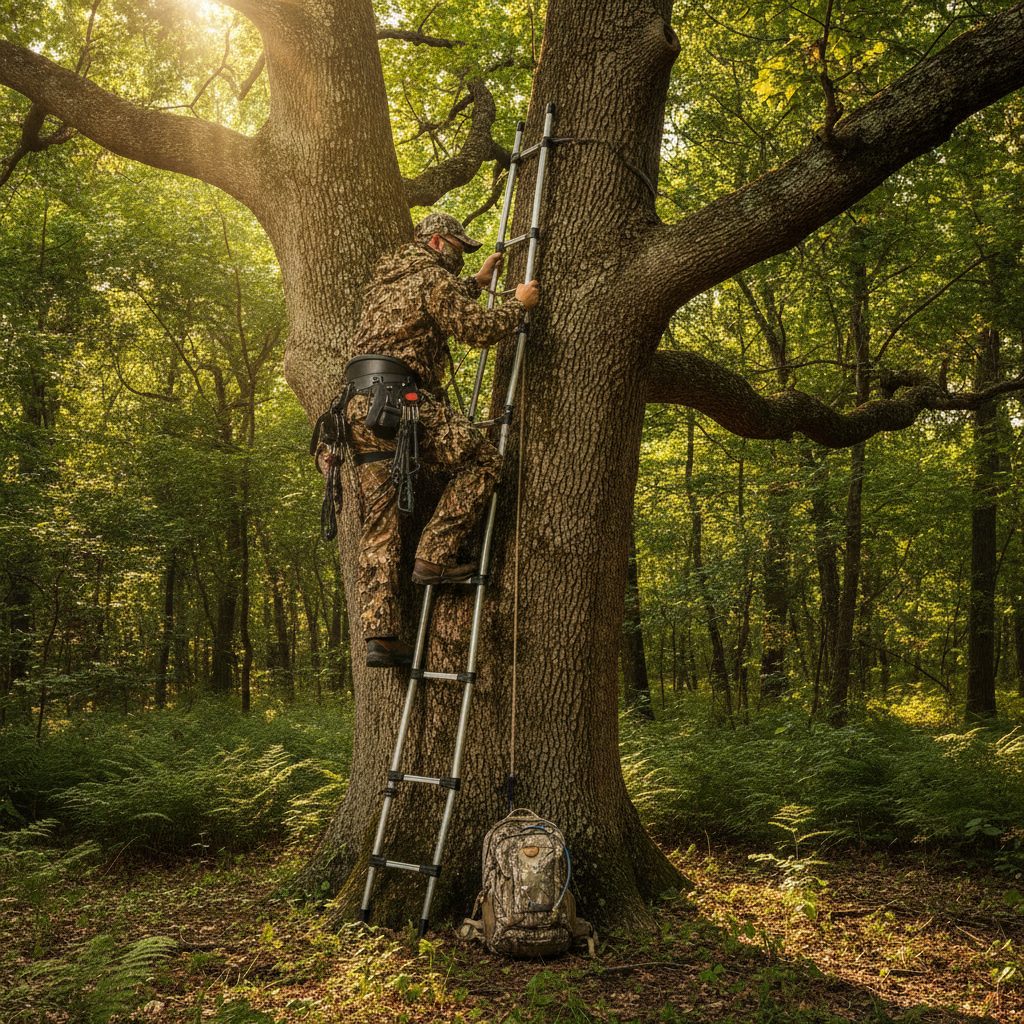
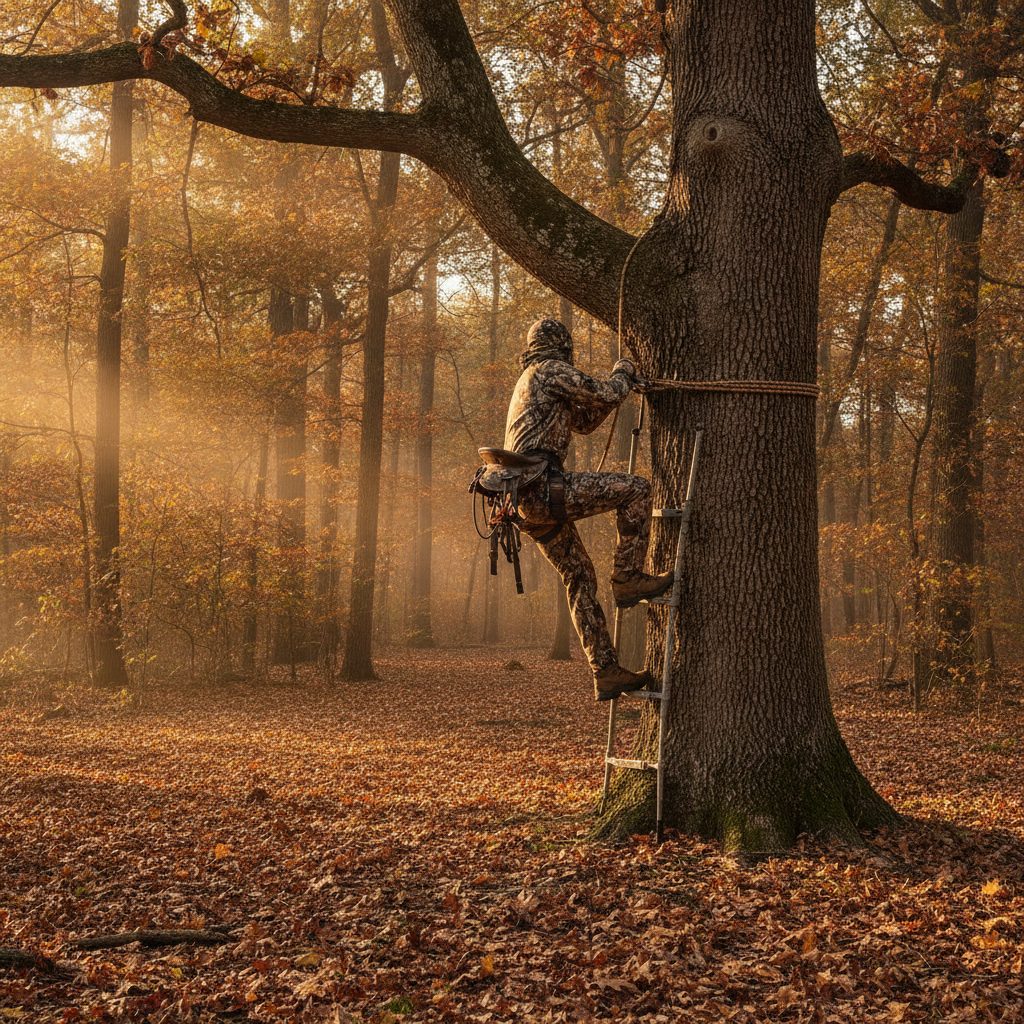
Run your full kit on a practice tree in the backyard or a timber-access easement near the house. Time your setup. If you're not tethered in under eight minutes from ground to platform, figure out why. Is a stick strap tangling? Is your saddle bridge tucked somewhere that costs you thirty seconds? Small friction points compound badly when it's dark, mosquitoes are thick, and a shooter buck is working a scrape two hundred yards out.
Use Summer Scouting to Set Up Mobile-Specific Spots
Mobile hunting's biggest advantage is also its biggest discipline challenge: you can hunt anywhere, which means you need to actually choose where. Summer is when you can walk hard without burning hunting pressure. The timber is loud underfoot, sure, but deer pattern you far less in velvet than they do during the season. Get in, identify your tree species and diameters, and make notes on which corridors look like natural funnels once the leaves drop.
Specifically, look for trees that give you options — a straight-trunked hardwood with clean bark in the 10- to 14-inch diameter range is the sweet spot for most stick systems. While you're scouting, note the prevailing thermals and wind tendencies in each hollow or ridge. A mobile hunter can adapt to wind on the fly, but pre-knowing your best approach routes for north winds versus south winds on a given ridge will save you a busted hunt when it counts.
Practice Until the Setup Is Automatic
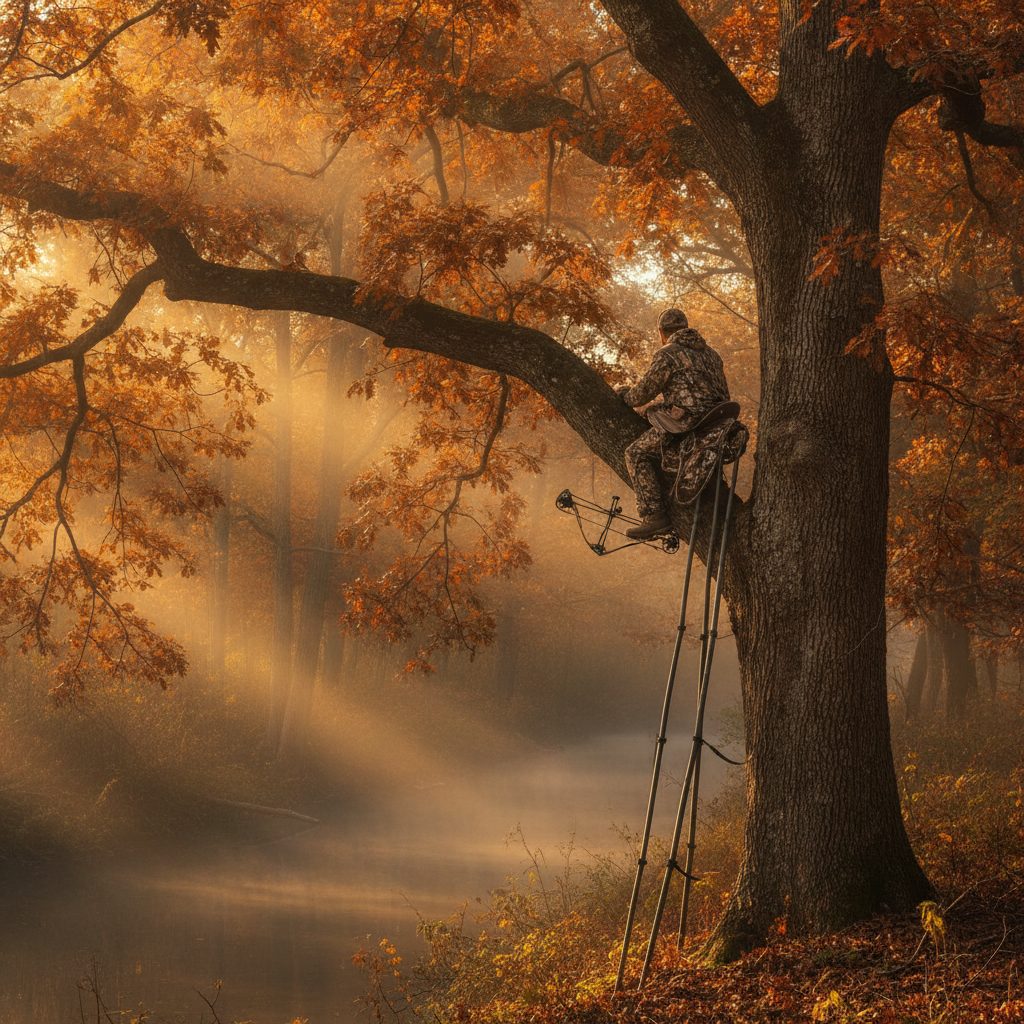
Shooting practice in July is obvious. Practice climbs are less obvious but more important for the saddle hunter. Get in your rig a dozen times before the season. Learn exactly how your bridge needs to sit for a relaxed lean, how much tether to let out for your preferred shooting stance, and what your platform feels like when it's truly level versus slightly canted. These things should be automatic muscle memory by the time you're eighteen feet up on a crisp October morning with a bruiser working a scrape line thirty yards out.
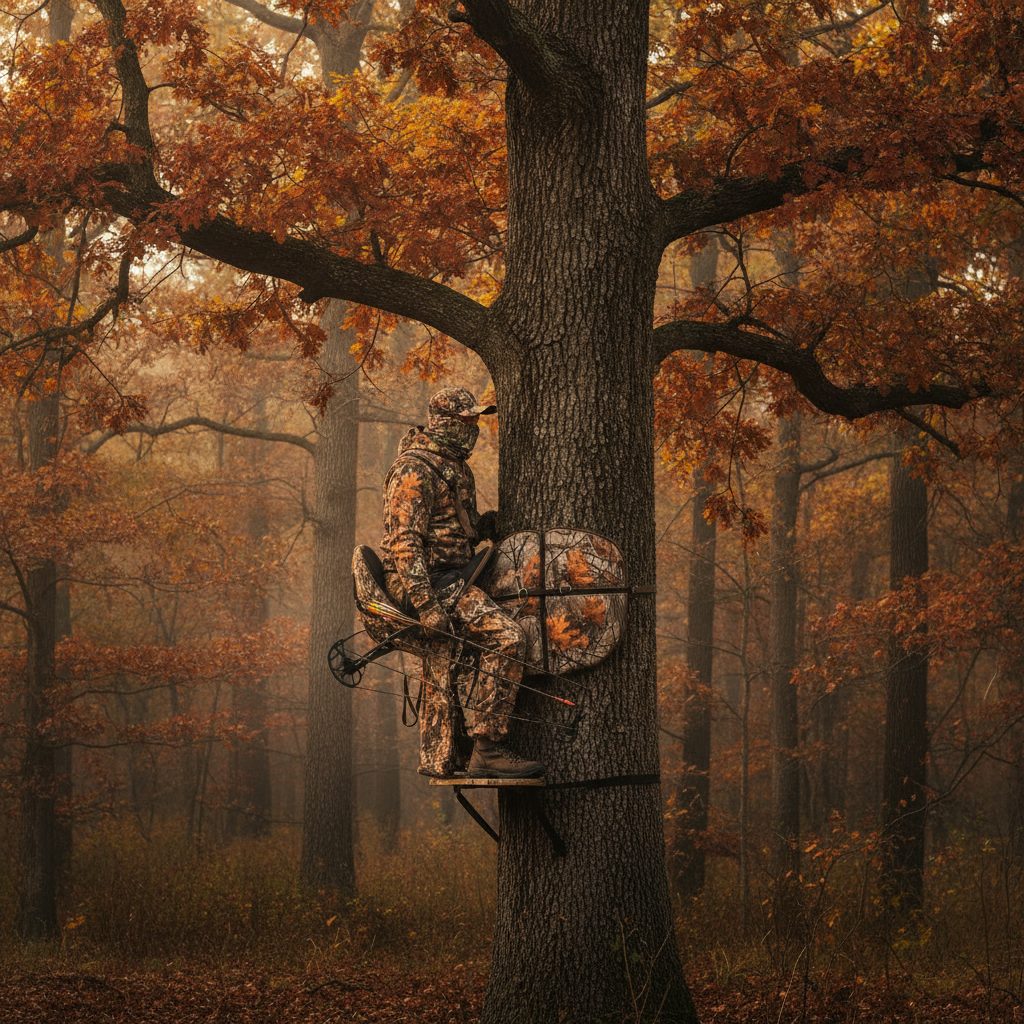
Don't skip the shot practice from the saddle either. Shooting off the side of a tree at various angles — strong side, weak side, behind you — is a completely different motion than shooting from a flat-footed position at an archery range. Set up a foam target and run through all your shot scenarios until none of them feel awkward. The saddle hunter who can smoothly rotate and execute a ninety-degree off-side shot is the one who kills deer other hunters spook.
The Bottom Line
The mobile saddle system is the most lethal tool in a whitetail bowhunter's arsenal — when it's truly dialed in. That dialing-in doesn't happen in the truck on the way to the woods. It happens in July, in the garage, in the backyard tree, and on those long summer evening scouting walks. Put the work in now. Come October, you'll send it with confidence.