The Platform Arms Race Just Changed: Why 2026 Designs Are Smarter, Not Just Lighter
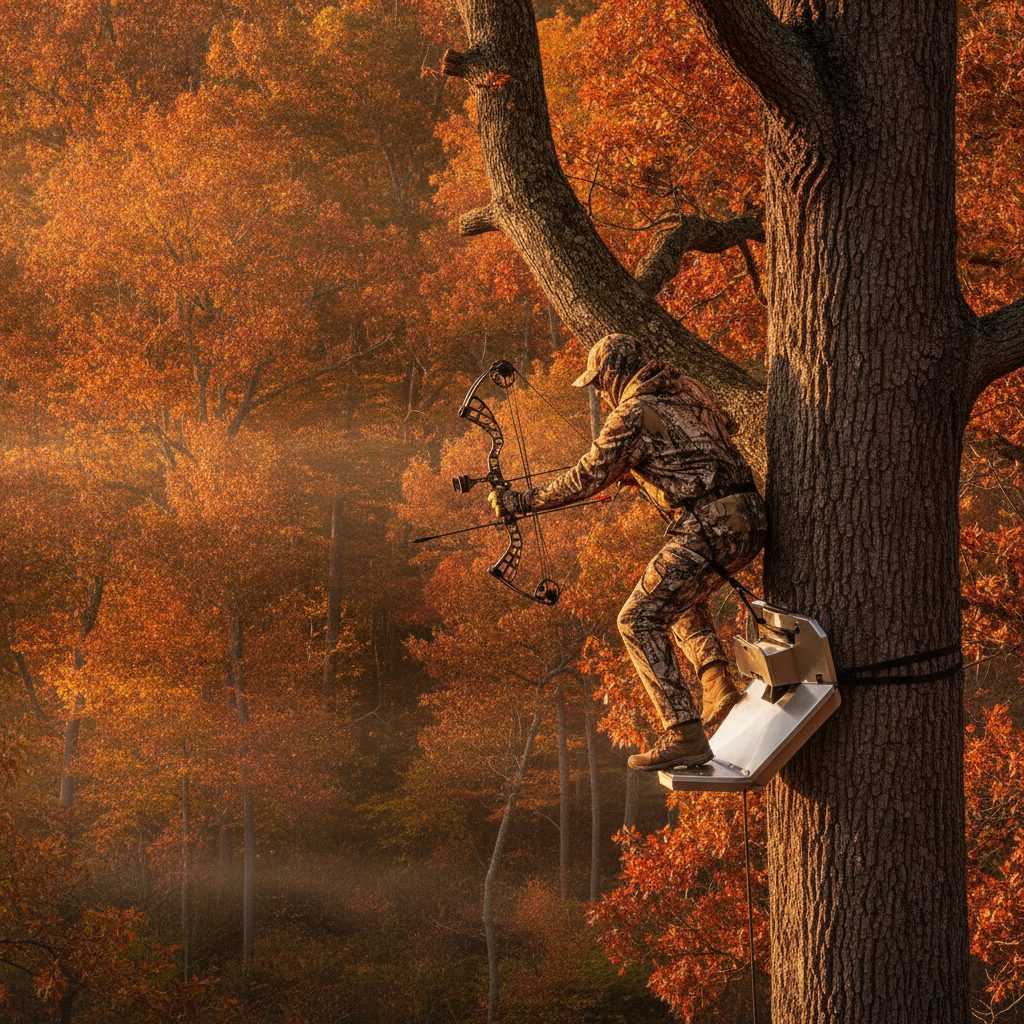
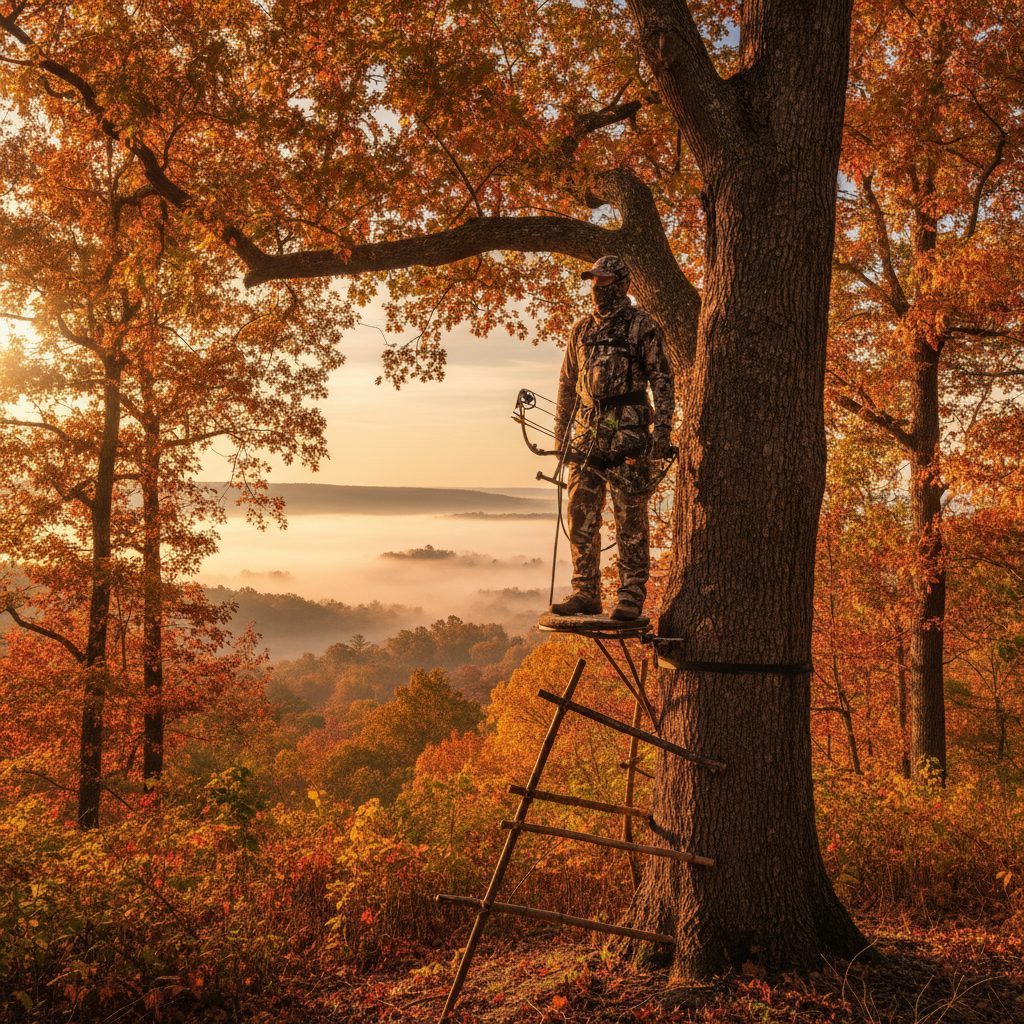
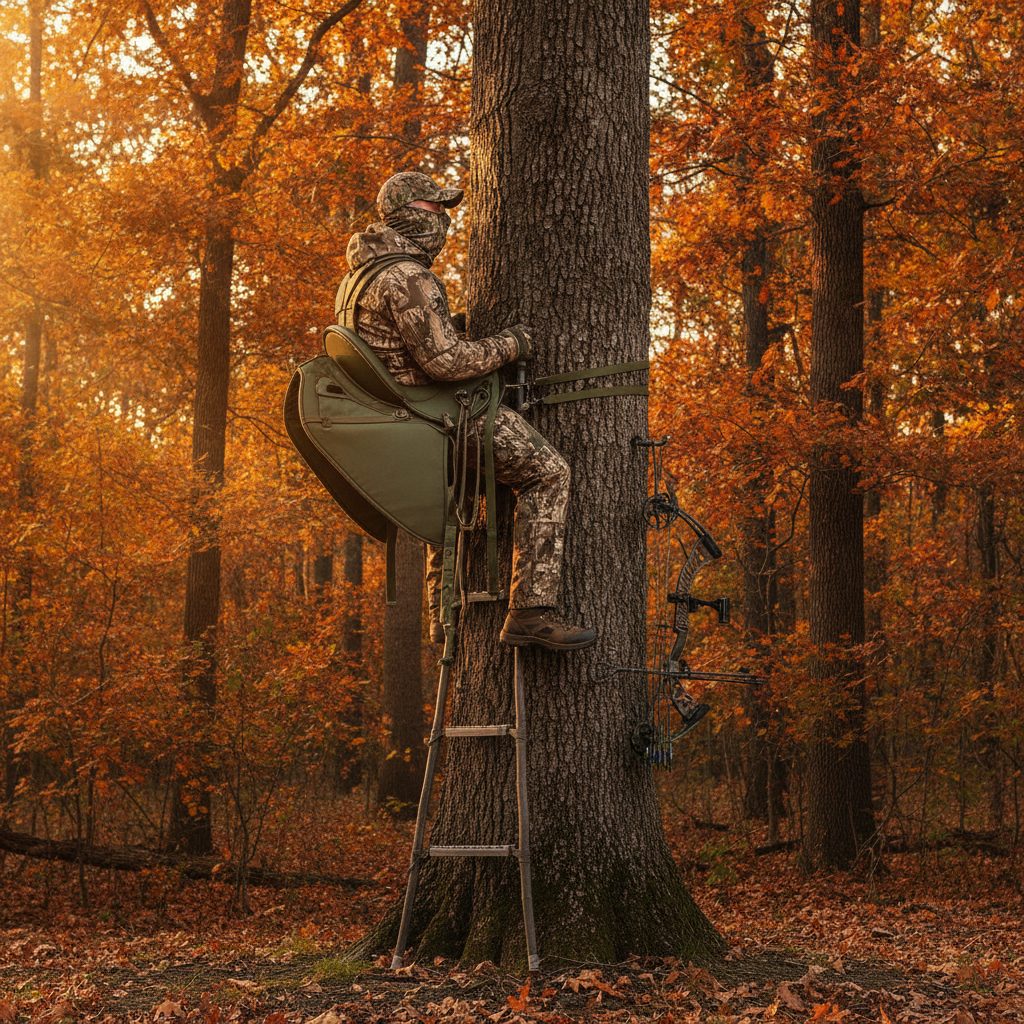
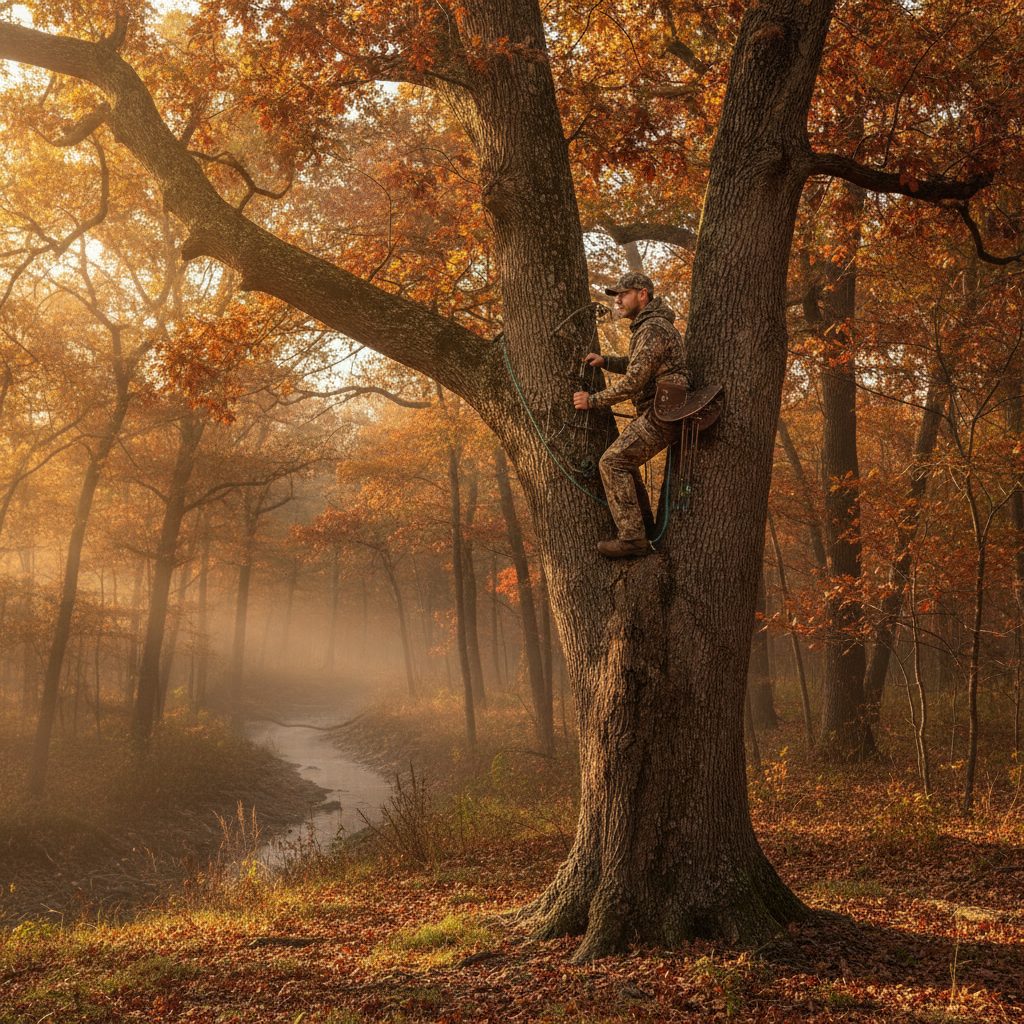
For the last few years, the saddle platform conversation revolved almost entirely around weight. Grams were religion. Every ounce shaved off the pack was a win, and brands leaned into it hard. But something shifted heading into 2026 — and if you've been paying attention to what's actually landing on shelves this preseason, you can feel it. The new benchmark isn't just how light a platform is. It's how smart it is.
Convergence: The Big Idea of 2026
The clearest signal is what Trophyline did with the Onyx. Rather than start from scratch, they looked at their own lineup — the EDP, the Mission, the Wingman — and asked a different question: what if we stopped making hunters choose? The Onyx merges the best dimensional elements of all three into a single platform, featuring an angled perimeter on all sides with built-in non-slip ridges and a patent-pending Claw Design that integrates the post, standoff, and stomp pad as one single cast piece. No flex, no rattle, no separate components working against each other under load. It's a surgical consolidation of what experienced saddle hunters actually asked for, and the market has responded — retailers have reported backorder pressure since the platform hit distribution.
The angled perimeter isn't just a cosmetic choice, either. Those beveled edges with grip ridges are designed specifically for the moments that matter most in a saddle hunt: the lean-out on a quartering-away shot, the pivot to the weak side, the roll-to-stand when a buck materializes at twenty yards. Every one of those movements is different from simply standing still on a flat deck, and the Onyx is built around movement rather than just static foot support. That's a meaningful design maturity for a category that spent its early years borrowing geometry from conventional hang-on stands.
Lone Wolf Blurs the Line — Deliberately
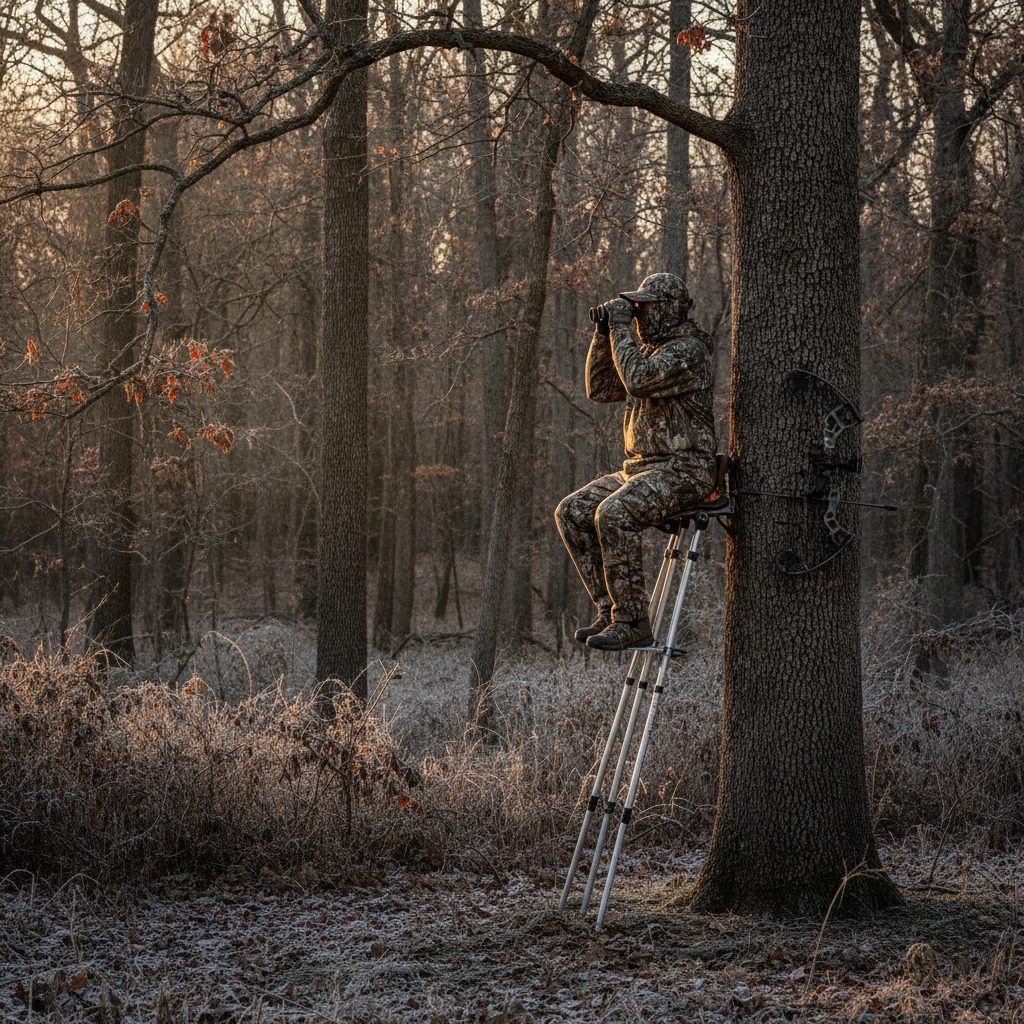
On the other end of the spectrum, Lone Wolf Custom Gear took a different path to the same conclusion: that the rigid categories hunters used to organize their gear are starting to break down. Their new Ranger Hybrid is explicitly designed to occupy the space between a traditional hang-on and a high-end saddle platform. Coming in just under six pounds, it eliminates the thick steel cables that conventional compact stands rely on, giving hunters a fully open, obstruction-free deck — the hallmark of a dedicated saddle platform — while still offering the option to sit facing out like a traditional stand when the legs give out on an all-day sit. The reversible cushion doubles as a built-in kneepad. It's a concession that no single hunting style owns every situation, and smart hunters want options without dragging two separate systems into the timber.
That said, Lone Wolf is clear-eyed about who this is for. The platform geometry still lends itself primarily to saddle hunting. The seated-facing-out mode is a relief valve, not the main event. Think of it as a saddle platform that happens to offer a backup — not a treestand trying to cosplay as mobile gear.
What This Means for Your Preseason Decisions
If you're building or upgrading a system before archery opener, 2026 is actually a great time to pull the trigger on a platform. Here's why the convergence trend works in your favor:
- Less experimentation tax. Brands have already done years of field testing across multiple platforms. The 2026 designs bake in those lessons. You're not a beta tester anymore.
- Foot geometry matters more than you think. Angled perimeters and non-slip ridges address real, documented saddle-hunting fatigue patterns. If you've ever come out of a four-hour sit with screaming arches, this stuff is directly relevant to you.
- The hybrid category is real now. A year ago, the Ranger Hybrid concept would have felt like a compromise. In 2026, with cable-free construction and open deck design, it legitimately belongs in the mobile conversation.
- Weight is still a factor — just not the only one. A platform that's half a pound heavier but eliminates foot fatigue and keeps you moving freely through a shot sequence is a net performance gain. Do the math for your hunting style.
The run-and-gun crowd isn't going anywhere, and ultralight will always have its faithful. But the 2026 platform class is proof that the saddle hunting industry has grown up enough to have a more nuanced conversation — one where smarter and lighter don't have to be in opposition. That's a good place for the market to be, and an even better place for hunters who just want to put more time in the tree without suffering for it.