Tethrd One Sticks in the Late Season: Worth Every Ounce When It's Cold
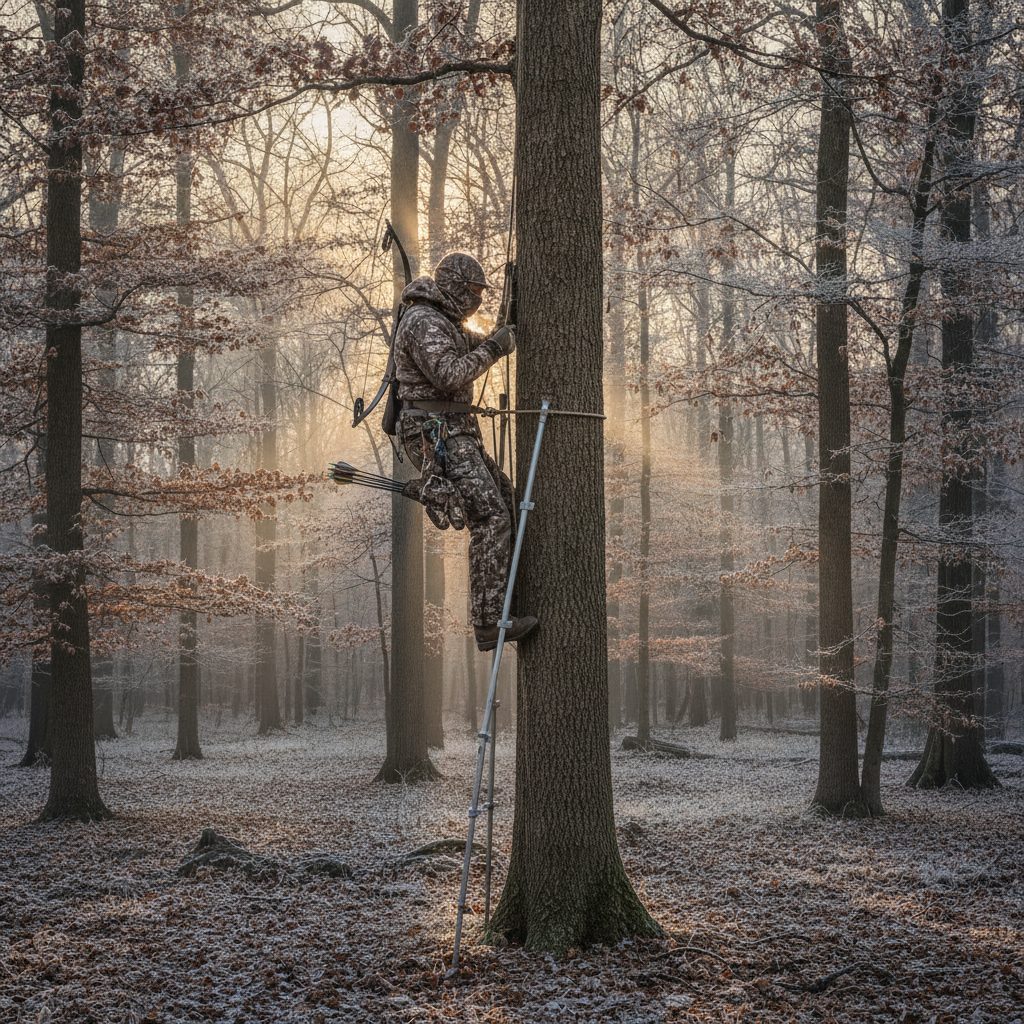
December deer hunting is unforgiving. You're hauling extra insulation, fighting pre-dawn wind chills, and your fingers are clumsy inside bulky gloves the moment you step out of the truck. The last thing you need is a climbing stick system that fights you on the way up. That's exactly why the Tethrd One Sticks deserve a hard look for late-season mobile hunters — and also why a few things about them are worth understanding before you commit.
Light Is a Different Animal When the Rut Is Over
By December, most mobile hunters have already figured out their system. But late season demands a second audit. You're adding hand warmers, a heavier pack, maybe an extra pair of bibs strapped to the outside. Every ounce you already saved somewhere else buys you comfort on that long walk-in through frozen ground. This is where the One Sticks shine hardest.
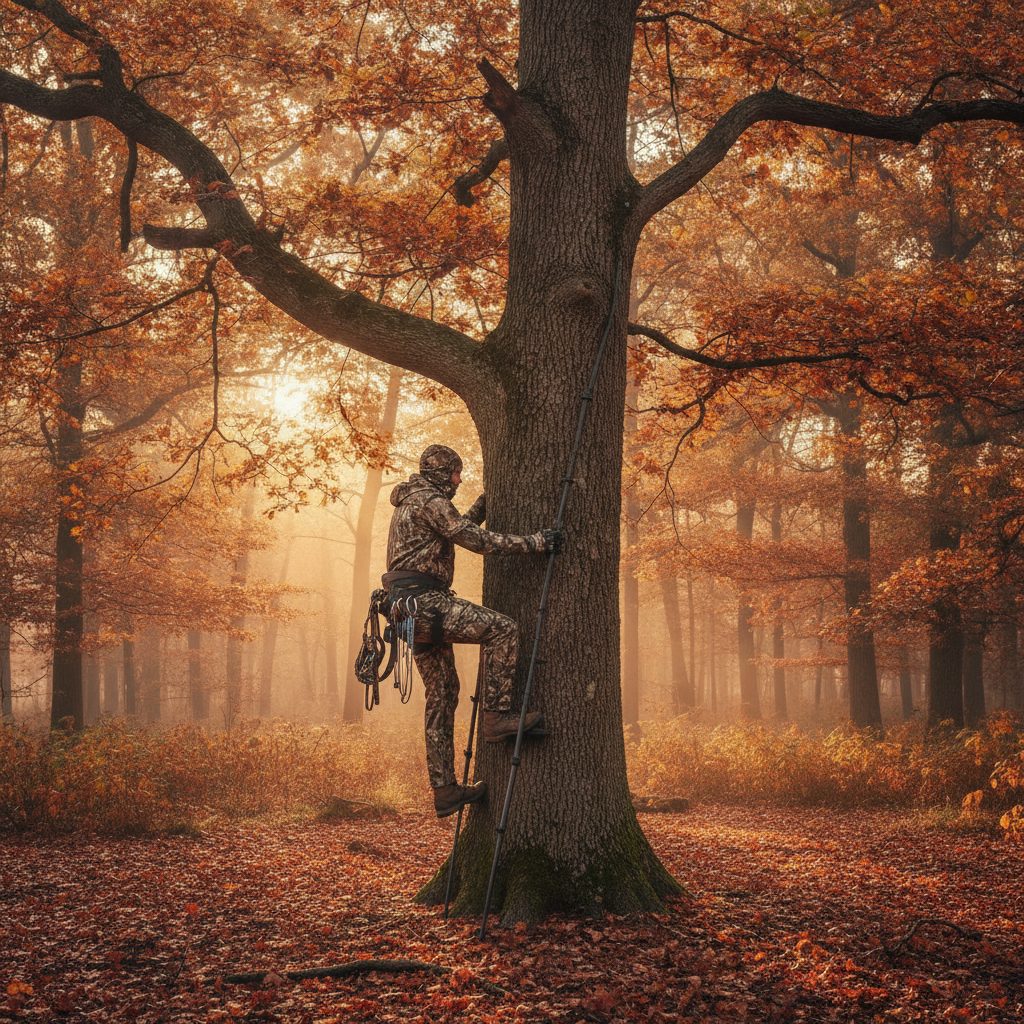
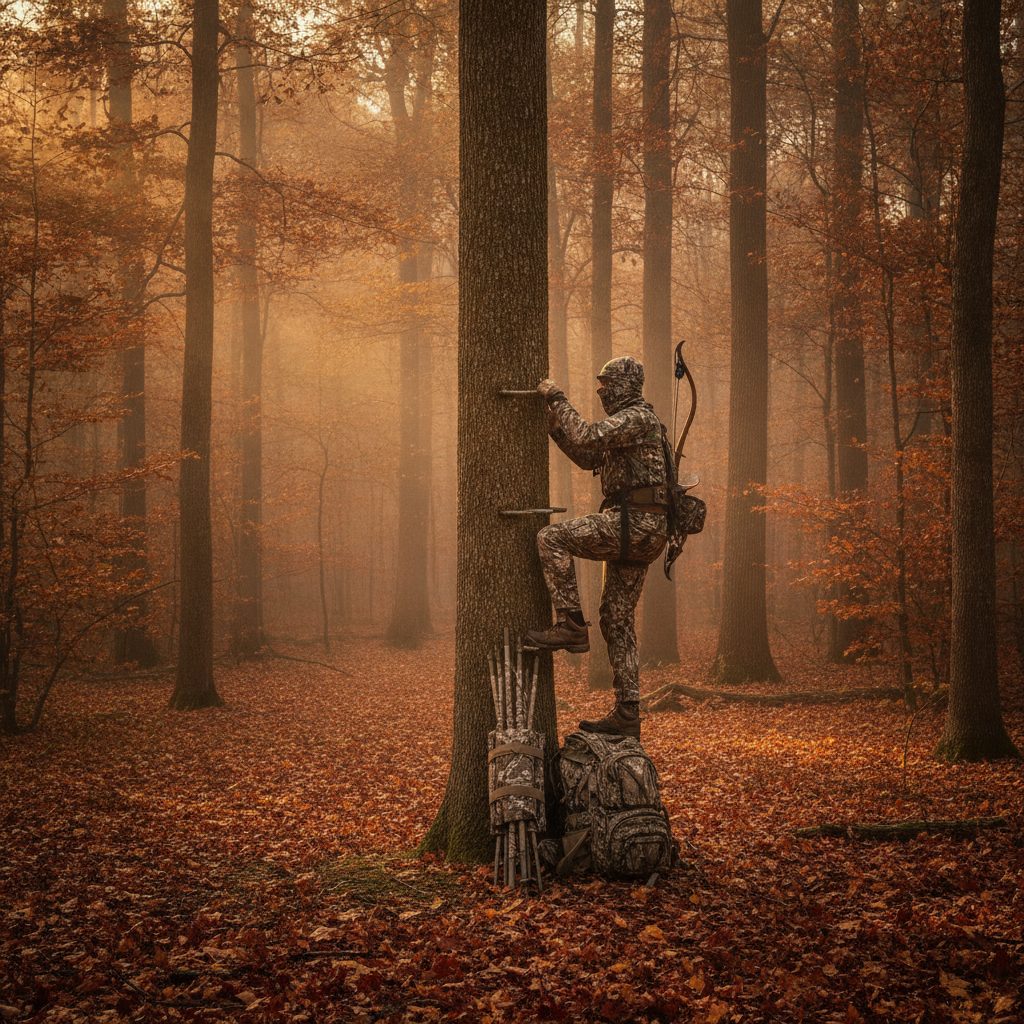
Each stick tips the scale at just 16 ounces — genuinely light for a full-metal climbing stick. The overall length stays compact at 12.5 inches when folded, and the step-to-step spacing sits at 11.25 inches, which is a sweet spot for most hunters climbing with heavy boots. They stack flat and pack tight. Four sticks disappear into or onto a pack without the awkward lateral bulk that longer sticks always create.
The attachment system is where Tethrd put their real engineering energy. The DynaLoc™ attachment method paired with DynaLite™ rope is legitimately faster and quieter than traditional cam-strap or ring-and-pin setups. Cinch it, lock it, climb. In the cold and dark, anything that reduces fumbling is not a luxury — it's a necessity.
The Honest Trade-Offs
No gear earns a free pass, and the One Sticks have a real-world caveat that late-season hunters need to hear: the step surface is on the smaller side. That's a non-issue in October with lightweight boots. It gets more interesting when you're climbing in size-12 pac boots at 4:30 a.m. with cold-stiffened ankles. Experienced users consistently recommend adding amsteel aiders on one or two sticks — particularly the bottom ones — to buy extra foot purchase on the descent when fatigue and cold have taken the edge off your coordination.
The standoffs are also tighter than heavier sticks like the Skeletors. That means slightly less toe clearance between your boot and the tree. Most hunters adapt, but if you've got big feet or hunt a lot of gnarly-barked oaks, it's worth taking a few practice climbs before opening morning.
None of these are deal-breakers. They're just honest field notes from hunters who've run these sticks through serious conditions. Set your expectations right and these sticks will not let you down.
Why Late Season Makes the Case for Premium Sticks
Here's the thing about cheap sticks: you feel every dollar you saved on every cold-morning setup. Sloppy attachment systems, excessive rattle, steps that shift when you cam-down your platform — it all compounds when you're tired, frozen, and trying to stay silent in a December hardwood stand. The One Sticks eliminate most of that friction.
- DynaLoc attachment — fast, repeatable, quiet even through gloves
- 16 oz per stick — serious weight savings over a four-stick pack compared to heavier aluminum alternatives
- Compact folded profile — no stick ends poking out of your pack at weird angles in the dark
- Flat stacking — plays well with most saddle packs, attaches clean with a single strap
Pair them with an aider on the bottom stick, slow down on the descent, and these become a genuinely dialed-in December tool. If you've been putting off making the jump from heavier sticks, late season is actually the best possible time to find out what you've been missing — because the weight savings compound every single time you leave the truck in the dark and cold.
The late-season buck doesn't care what your sticks cost. But your back, your knees, and your sanity on that pre-dawn slog absolutely do. Send it light.