Climbing Stick Aiders Are Having a Moment — Here's Why They Matter
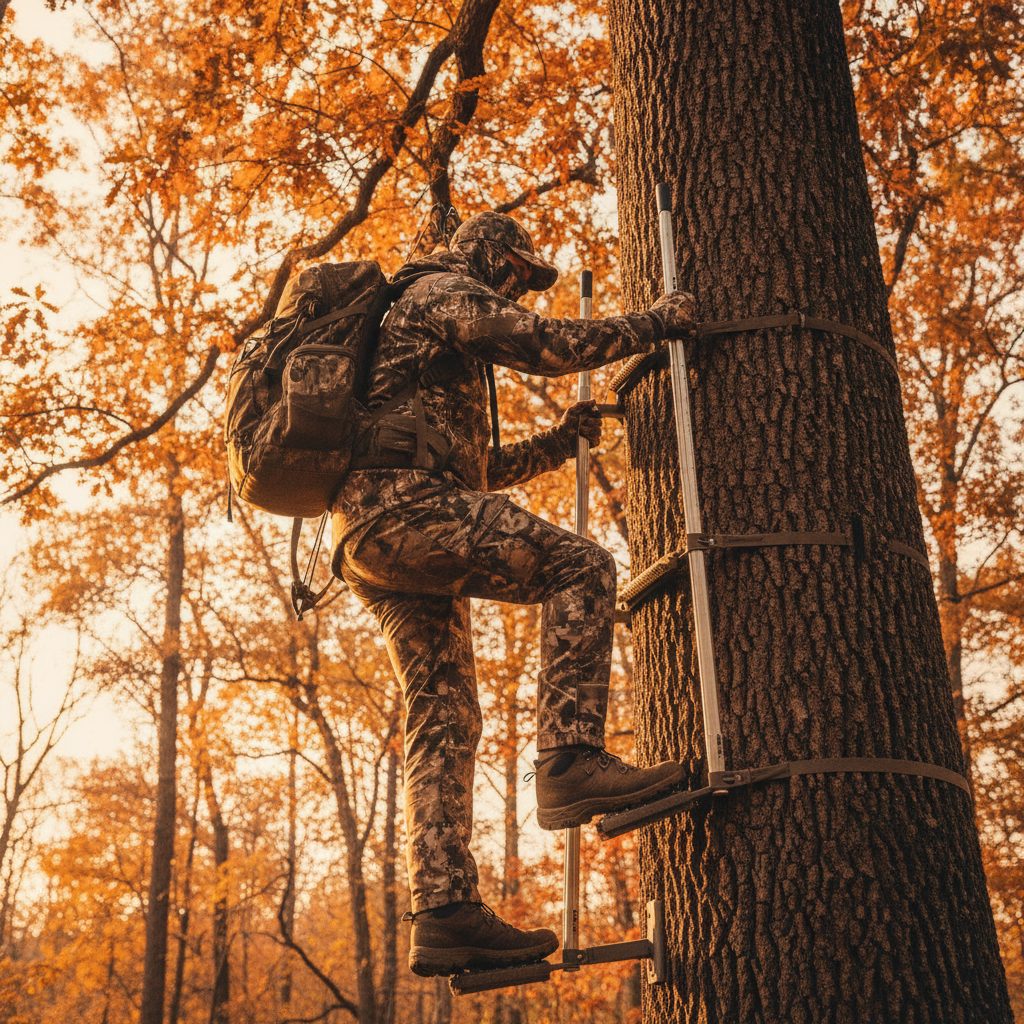
For years, the climbing stick aider was the scrappy little footnote nobody talked about — a loop of rope, maybe some paracord, maybe a zip-tied chunk of hose, whatever got you an extra step. That era is over. Spring 2026 has brought a wave of purpose-built aider systems from brands who actually thought hard about the problem, and if you're still running a homemade solution, it's worth paying attention.
Why Aiders Matter More Than You Think
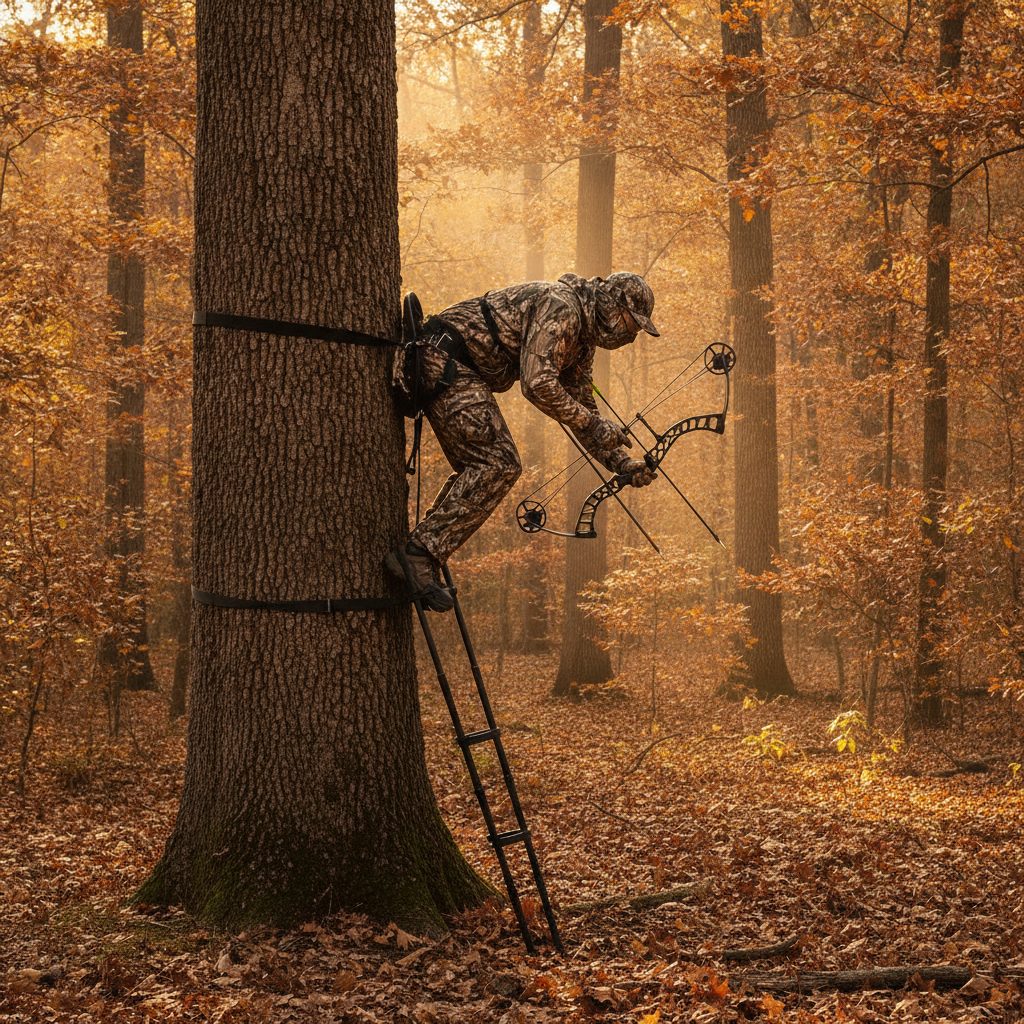
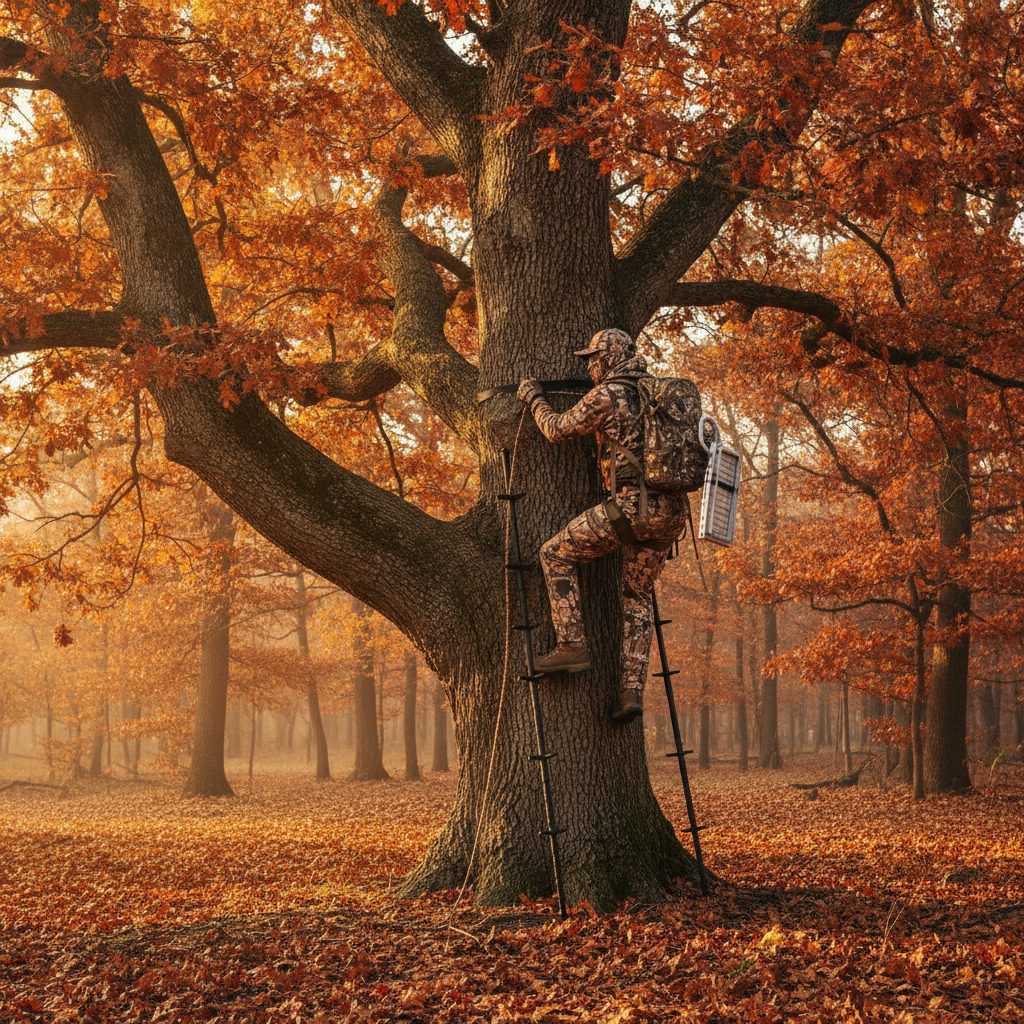
The pitch for aiders is simple: they let you squeeze more vertical out of the sticks you already own. Run three sticks instead of four and save weight. Get an extra two feet of height off your top stick without adding another piece of aluminum to the quiver. On run-and-gun public land hunts where every pound and every second counts, that math adds up fast.
But the dirty secret of the old-school rope aider is that it moves. It swings, it twists, and in the dark before first light with cold hands and stiff boots, finding a floppy loop with your foot is a legitimately sketchy experience. The newer designs attack that problem directly.
Hunt Arsenal's MAXX Aider series is one of the clearer examples of where the category has gone. The design philosophy centers on anti-sway performance — the step plate incorporates tree-gripping teeth to stabilize against the trunk and uses four-corner rope attachments to kill the wobble that makes traditional aiders feel sketchy. There's grip tape built into the step surface, and the rope integrates glow-in-dark material for low-light use. It packs flat via integrated bungee cords. None of that sounds revolutionary until you've fumbled a floppy paracord loop at 5:45 a.m. in November — then it sounds like exactly the kind of thing you wish someone had built five years ago.
The Hang Free Drop and What It Signals
In April 2026, Hang Free dropped a new round of saddle hunting accessories that included updated aider configurations alongside connectors and rope hardware. It was their seventh product release of the year — a pace that tells you everything about how hot this accessory segment has gotten. The category has gone from "something you rig up yourself" to a full-on product line with variants, sizing, and attachment options. That's a meaningful shift.
Trophyline also offers the EZ Aider Lite in their lineup, a single-step unit built on stiff rope that holds its shape and keeps the loop open for your boot. The heavy-duty hosing at the step base locks the loop open and adds grip. At just over two ounces, it barely registers on a scale. Stack a few of those and you've got a modular, nearly weightless system.
How to Actually Run Aiders in Your System
A few practical notes from guys who've dialed this in:
- Match your aider to your stick spacing. If your sticks run taller step heights, a two-step aider on your top stick can be awkward. A single-step aider is usually cleaner for the final reach.
- Go shorter if you're under six feet. This one gets ignored constantly. Longer step spacing is brutal in late-season layers when you can't lift your knee as high. Size it to your real-world mobility, not your gym flexibility.
- Run a carry aider, not a fixed aider. The carry-as-you-go method — one aider that travels with you up the tree rather than hanging off every stick — keeps your setup clean and eliminates the dangling loops that catch gear and make noise on the climb. It takes about two sessions to get used to it and then you'll never go back.
- Check rope condition every season. Amsteel and similar materials are strong, but UV and abrasion degrade them. Most manufacturers recommend retiring rope aiders every couple of seasons regardless of how they look.
The Bigger Picture
What's happening with aiders is a microcosm of what's happening across the whole saddle hunting accessory space. The community grew so fast over the past few years that every friction point in a mobile setup — every awkward moment, every fumbled step, every uncomfortable hang — became a product opportunity. Brands are solving problems that used to get solved with duct tape and YouTube tutorials.
That's a good thing. The barrier to entry for a dialed-in mobile setup keeps dropping, and new hunters aren't inheriting the janky workarounds that the early adopters had to live with. If you're building or rebuilding a system this summer ahead of the fall season, don't treat the aider as an afterthought. It's a real piece of gear now — and the options have never been better.