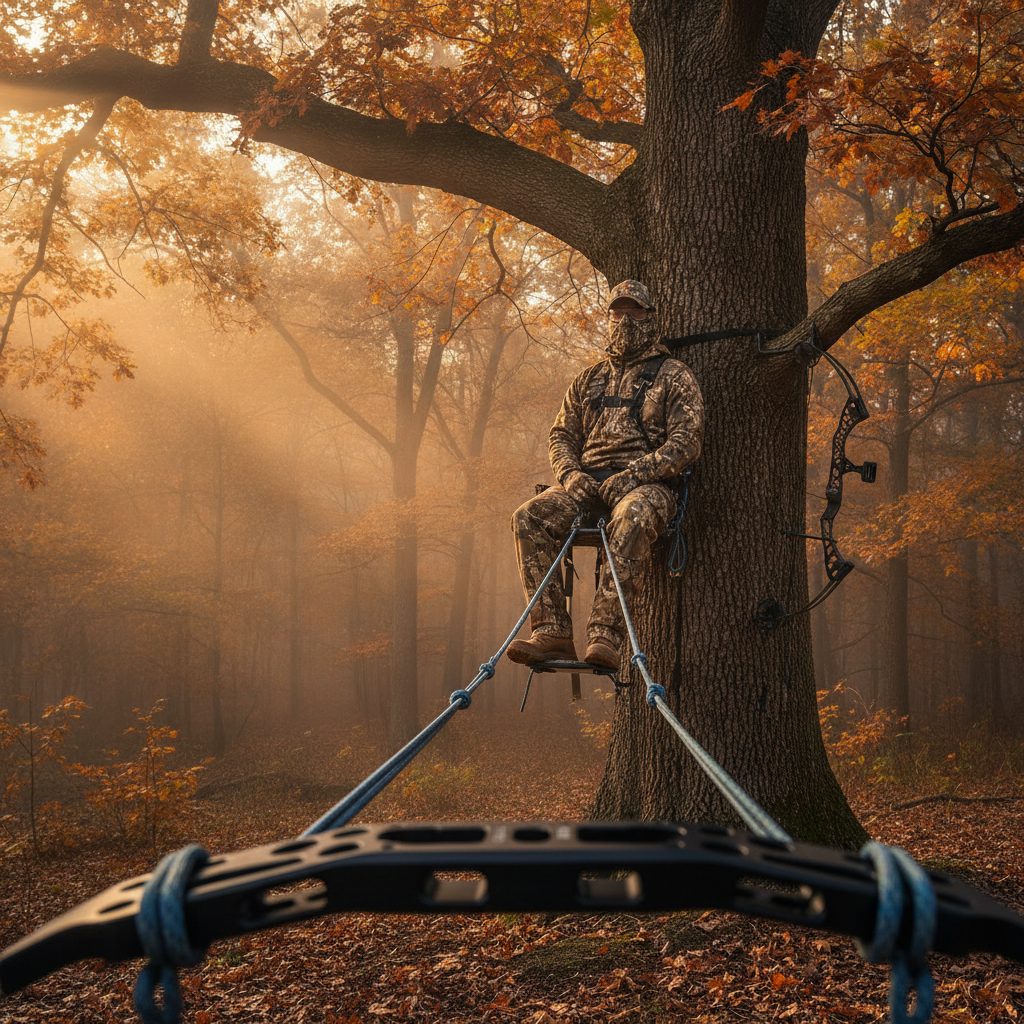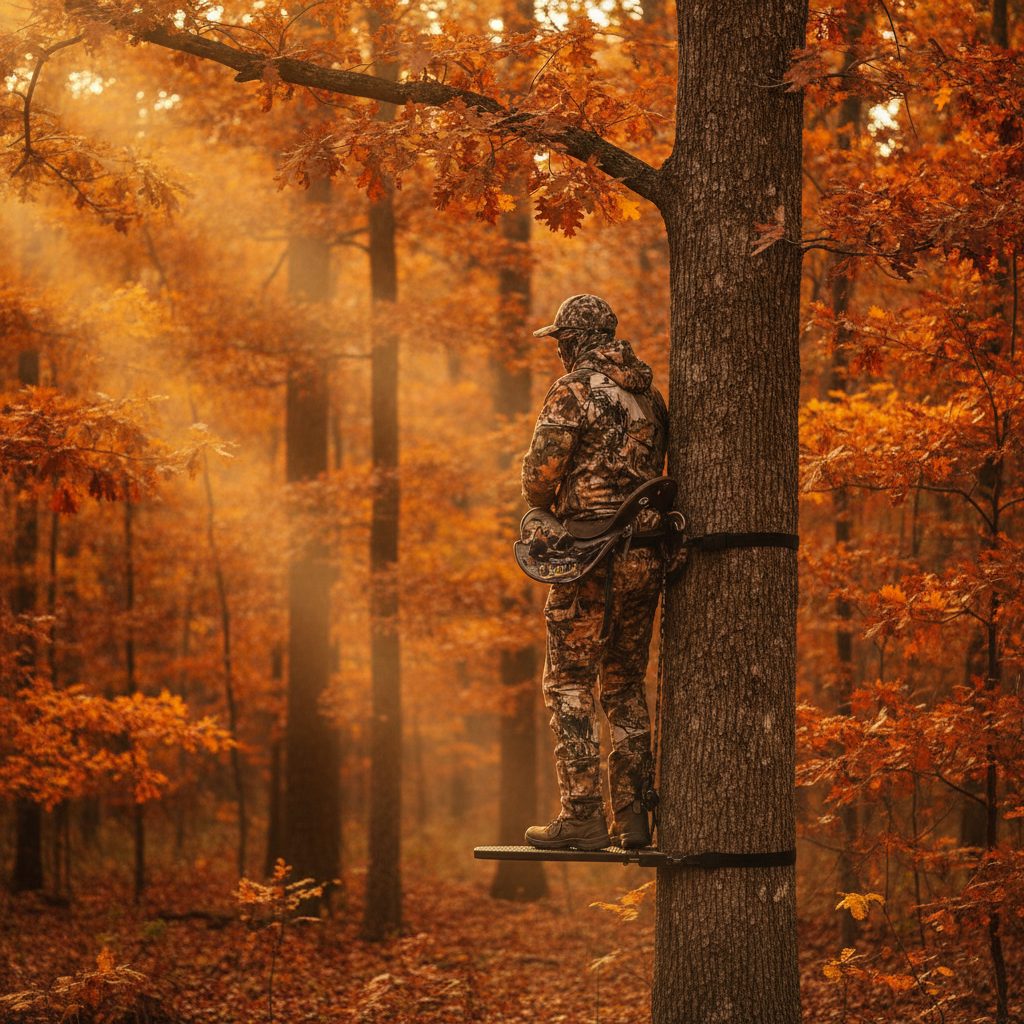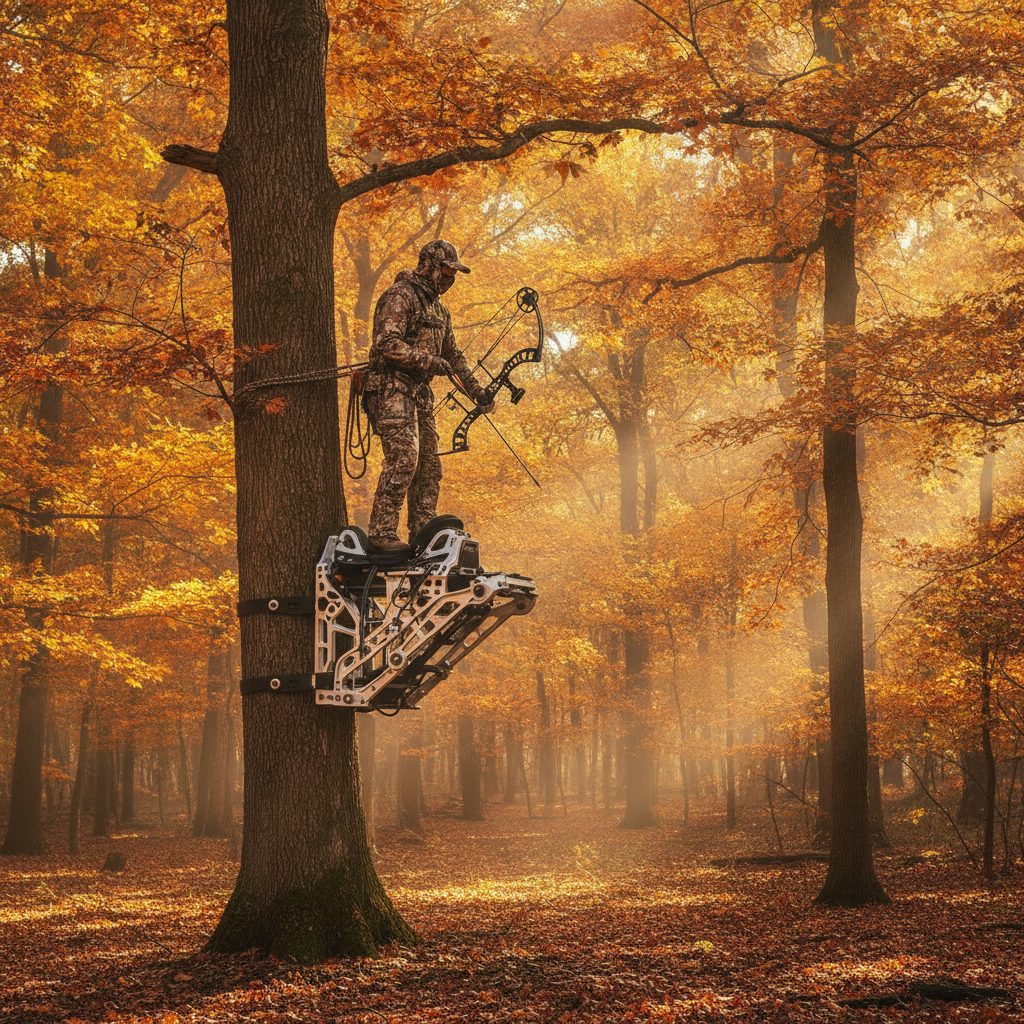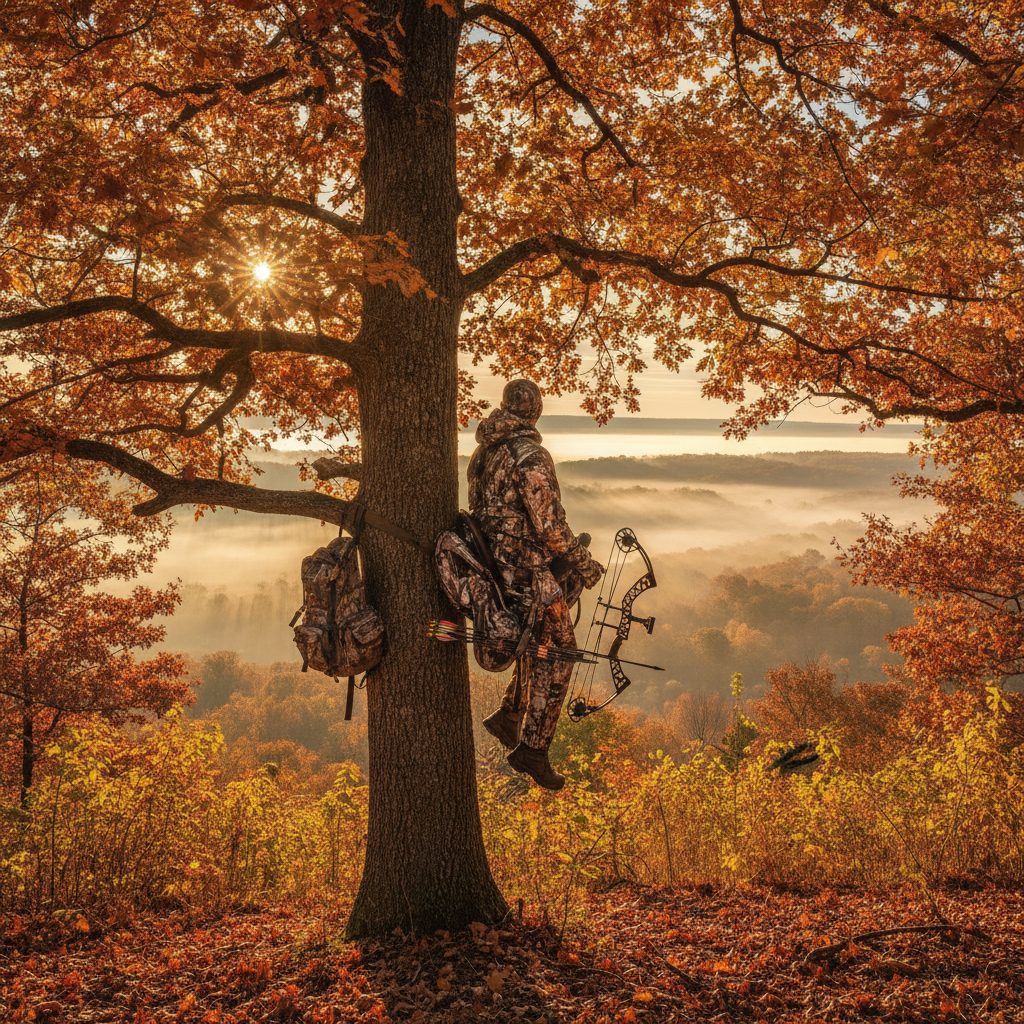
Latitude Method 3: The Two-Panel That Changed All-Day Sits
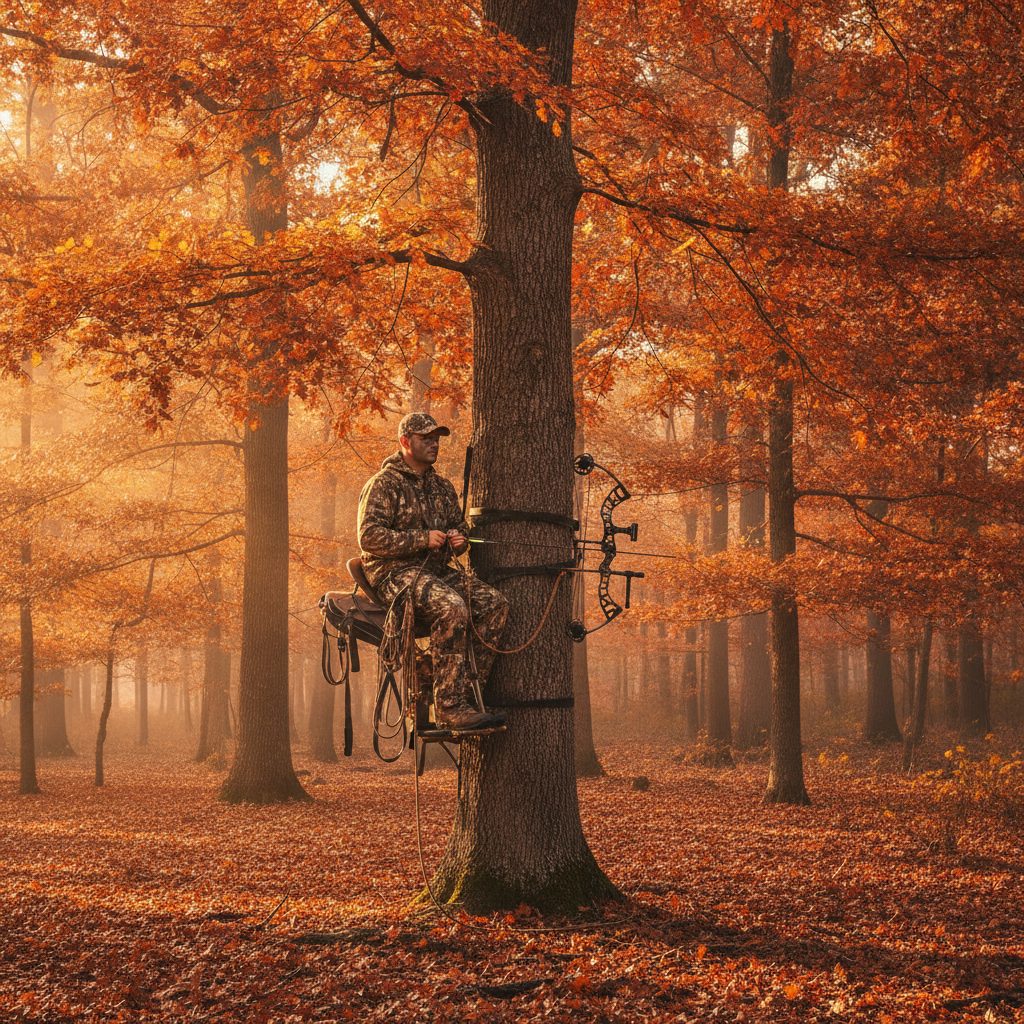
Here's the truth most mobile hunters won't admit: comfort wins. You can preach ultralight all you want, but if you're bailing out of your tree at noon because your hips are on fire, you're not killing deer. The Latitude Method 3 was built around that exact reality — and after a full season of field reports flooding in, it's the saddle that's got the most people rethinking what they thought they knew about two-panel setups.
What Makes the Method 3 Different
The concept of a two-panel saddle isn't new — Latitude actually pioneered it. But the Method 3 is the sharpest version of that idea yet. The biggest upgrade over the Method 2 is a continuous magnetic strip built into the panels that replaces the old scattered-magnet alignment system. You don't fiddle with it. The panels just snap together cleanly when you're walking in, and they stay put. No flapping, no separation, no re-aligning in the dark at 5 a.m.
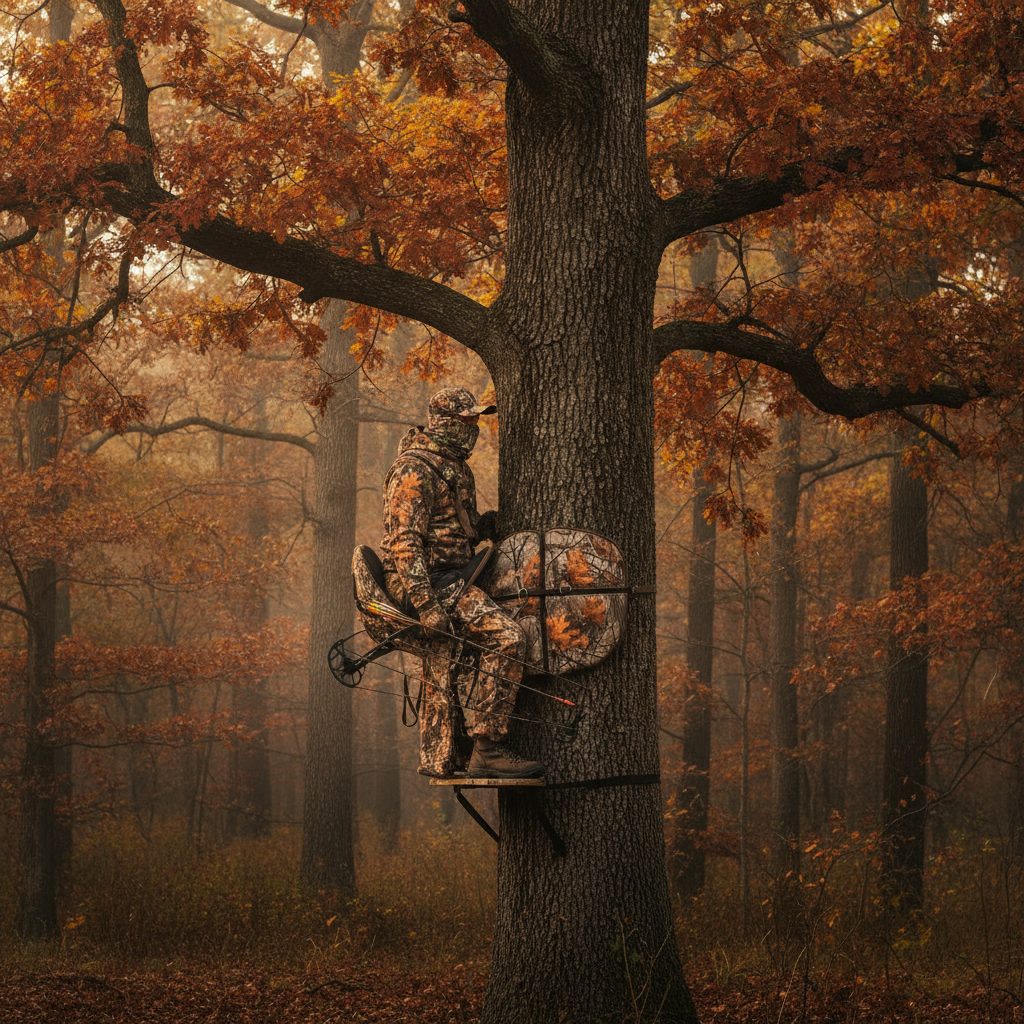
In two-panel mode, the thing feels like a padded hammock. The panels are loaded with water-resistant cushion, and each one adjusts independently via hip-accessible drawstrings. That means during a long sit you can shift pressure points on the fly — drop the bottom panel an inch, redistribute the load — without ever unclipping your lineman's or messing with your tether. That's a bigger deal than it sounds when you're three hours into a cold-front all-day.
The other thing worth calling out: the Method 3 is entirely metal-free at its connection points. No metal-on-metal contact anywhere. That matters in a spot-and-stalk or run-and-gun scenario where one click at the wrong moment sends a buck into the next zip code.
What the Field Is Saying
Independent testers and real-world hunters have been consistent — the Method 3 is at or near the top of every comfort ranking for the 2026 season. Outdoor Life gave it their Best Two-Panel nod in their tested saddle roundup. GearJunkie ran it through multiple dark-to-dark sits and rated it the most comfortable saddle they'd tested, noting that reviewers ran through various panel positions across all-day rut hunts without needing to break set. Forum threads on ArcheryTalk echo the same thing — guys coming from other premium saddles are genuinely surprised by how good the fit is, even on bigger-framed hunters running the XL version.
The one consistent knock? Weight. At just over two and a half pounds bare, plus ropes and accessories, you're pushing four pounds fully rigged. That's on the heavier end for mobile hunters who count every ounce. If you're covering serious miles or running a strict sub-nine-pound system, that number will sting a little. But most hunters doing pressure-sensitive whitetail work — a mile or two of deliberate walking to a specific set — find it completely tolerable when the payoff is zero hip pinch on a six-hour sit.
Pairing It Right
The Method 3's drawstrings pull double duty: they also function as built-in climbing stick holders, which is a slick bit of design economy. Latitude's Carbon Synergy or Carbon SS sticks pair naturally with it — the full system stays quiet, stacks tight, and the all-carbon stick construction eliminates cold-hand problems when temps drop during the rut. If you want to add organization, Latitude's Operator Pouch clips on via the single row of MOLLE webbing on the waist belt and is built to open and close silently with one hand — handy when a buck is working toward you and you need to stow a range finder without a sound.
Bottom Line
The saddle market is packed right now. Everyone's got a good option. But the Method 3 solves the specific problem that ends most all-day sits early — cumulative discomfort wearing you down until you just can't take it anymore. If you're a hunter who hunts mornings and sits through the heat of the day into the evening during the rut, this saddle is built for you. It isn't the lightest, and it isn't the cheapest, but it's the one most likely to still feel good when that shooter finally commits at 4:30 p.m. That's worth something. Send it.