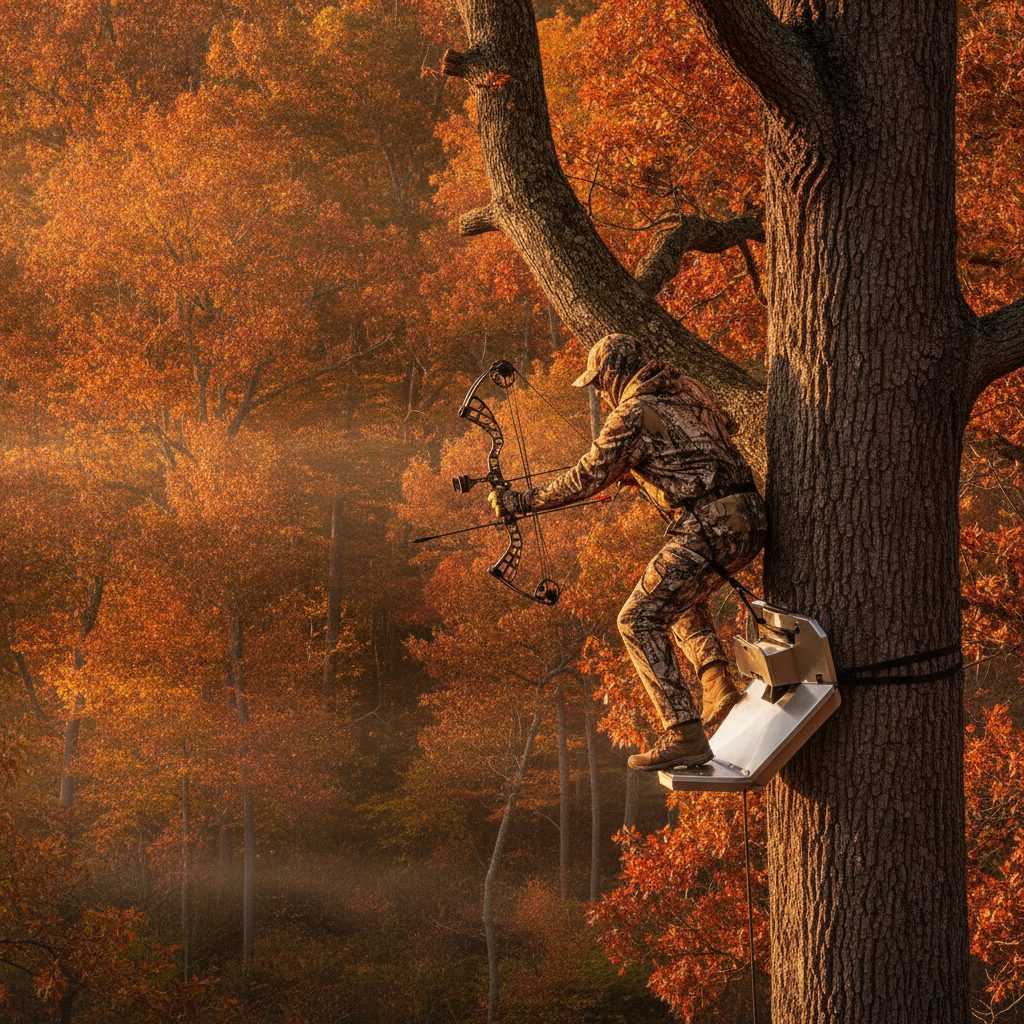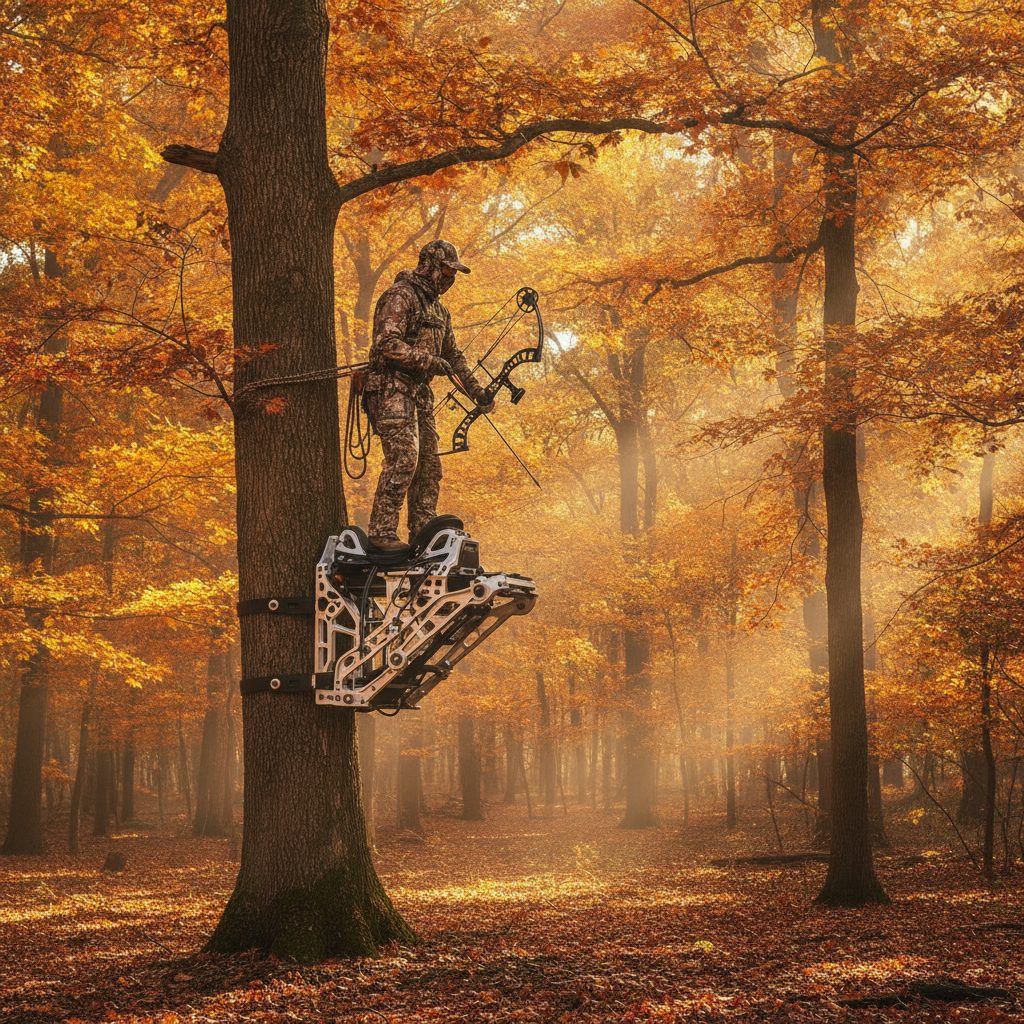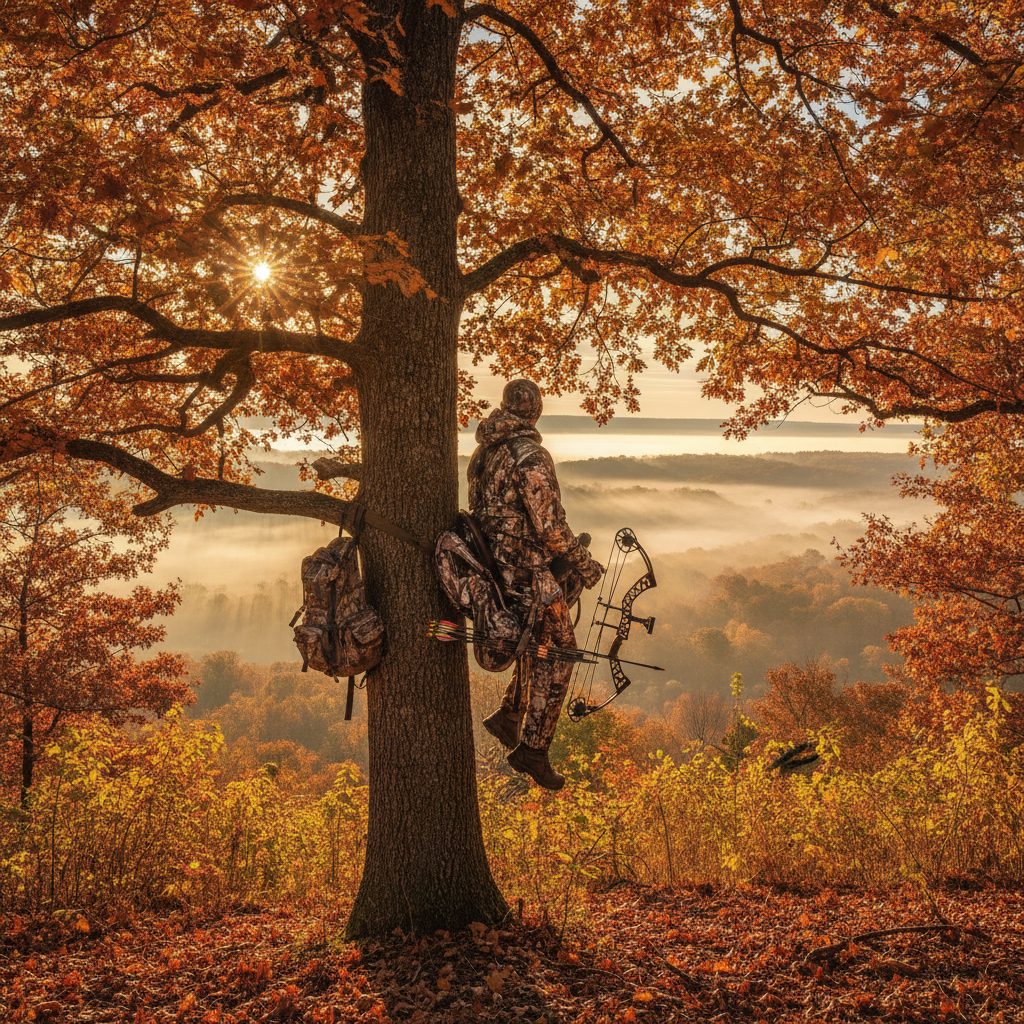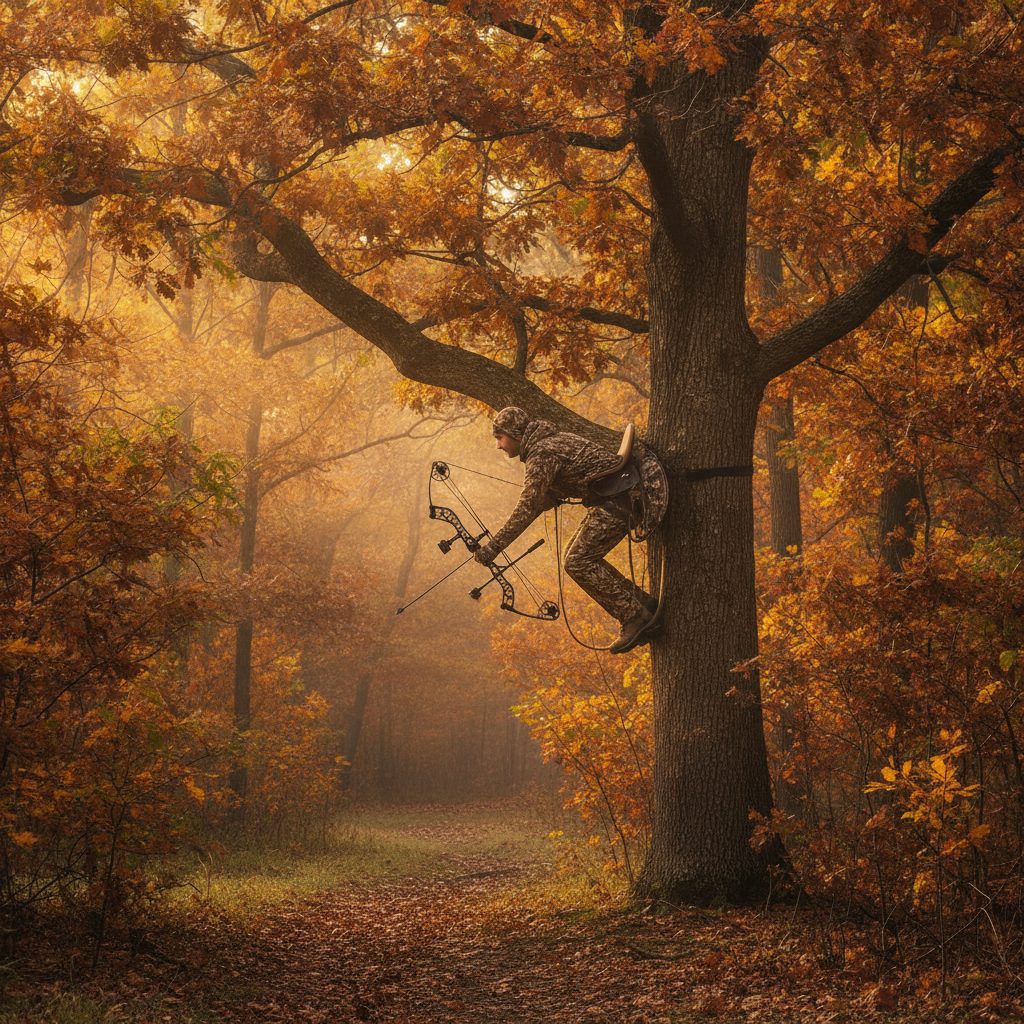
The One-Platform Theory: How Saddle Hunters Are Ending the Debate This Fall
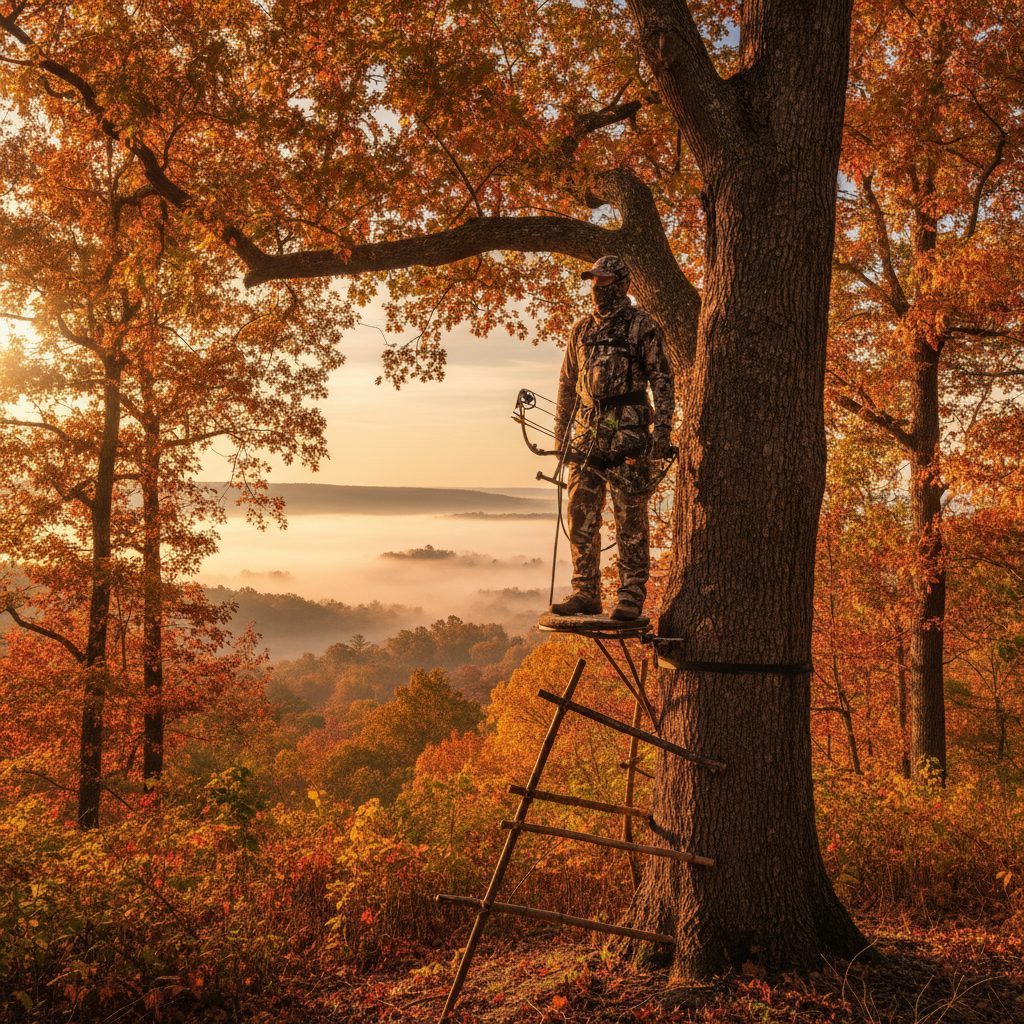
For years, saddle hunters have wrestled with the same argument at every deer camp: which platform do you run? The minimalist who wants four pounds or less, the all-day sit guy who demands real estate for his size-12 boots, the weak-side shooter who's been burned by a square deck more than once. Everybody had a different answer. Turns out, the industry got tired of listening to that argument — and this fall, several brands are pushing hard toward what's starting to look like a genuinely unified answer.
The Convergence Nobody Predicted
A pattern showed up quietly in 2026 product drops: platform designers stopped trying to win on a single spec. Instead of racing purely toward the lightest possible deck or the biggest possible footprint, the smart money started chasing balance. The Trophyline Onyx is probably the most transparent example of this thinking. Trophyline built it as a deliberate fusion of their own EDP, Mission, and Wingman platforms — pulling size from one, shape from another, and the angled perimeter concept from the third.
That angled perimeter is worth talking about. Three sides of the platform are angled and fitted with built-in non-slip ridges, engineered to keep your boot locked in whether you're leaning hard into the tree, rolling to stand, or swinging around to shoot your off side. Square-edge platforms have always had a failure mode there. You pivot, your heel drifts, and suddenly you're fighting your feet instead of focusing on the shot. The Onyx addresses that directly with geometry rather than grip tape or aftermarket add-ons.
The standoff system also got a rethink. Trophyline integrated the post, standoff, and stomp pad into a single cast unit they're calling the Claw Design. Fewer parts means fewer potential failure points, and it means the platform bites the tree with a consistency that separate-component setups sometimes can't match. That matters when you're 25 feet up in the dark on a November morning and you don't have time to second-guess your footing.
Why This Matters for Run-and-Gun Hunters Right Now
Mobile hunters are obsessive optimizers. The whole appeal of the saddle system is that you can move — reposition on a wind shift, chase a fresh scrape, slide 200 yards down a ridge and be back in the tree in under ten minutes. But that mobility only works if your gear is truly dialed-in. Carrying two platforms because one is your pack-out stick and one is your all-day comfort rig is the kind of compromise that adds weight and mental overhead you don't need.
The one-platform theory says you shouldn't have to make that trade-off. At 15 inches wide and 13 inches deep, the Onyx lands in a size range that genuinely serves both the fast-and-light hunter and the extended sit hunter without fully sacrificing either. It's not the smallest platform on the market and it doesn't try to be. But it's packable enough that mobile hunters aren't leaving it behind, which is really the whole test.
The same convergence logic is showing up across the category. Tethrd's Phantom XP for 2026 pulled the expandable panel from the Ultralock, the Lay-flat loops from the Carnivore 2P, and the low-profile fit of the classic Phantom line — one saddle built to check boxes that previously required choosing between models. Hunt Arsenal's Cloud Flexx tackled the same tension on the saddle side with a pleated panel system designed to thread the needle between a minimalist pack profile and genuine all-day comfort.
- Geometry over gimmicks: Angled perimeters and integrated standoffs are replacing grip tape and field mods.
- Fewer SKUs, smarter design: Brands are collapsing their lineups into platform models that cover more use cases in one deck.
- The weight ceiling is holding: Ultralight is still the goal, but hunters are no longer willing to sacrifice function to shave the last few ounces.
What It Means Heading Into the Rut
We're standing at the exact moment of the season when these decisions get tested in the real world. The acorns are on the ground, the first cold fronts are moving through, and mobile hunters are about to put serious miles on their setups. A platform that can handle an early-morning quick-hang on a fresh scrape and a six-hour all-day sit on the same trip isn't a luxury — it's the whole point.
The brands that figured that out early are sitting in a strong position this fall. The one-platform theory isn't just a design trend. It's what happens when the market matures and the hunters who've been running saddles for three or four seasons start demanding more from their gear than the people who invented it originally imagined. Send it.