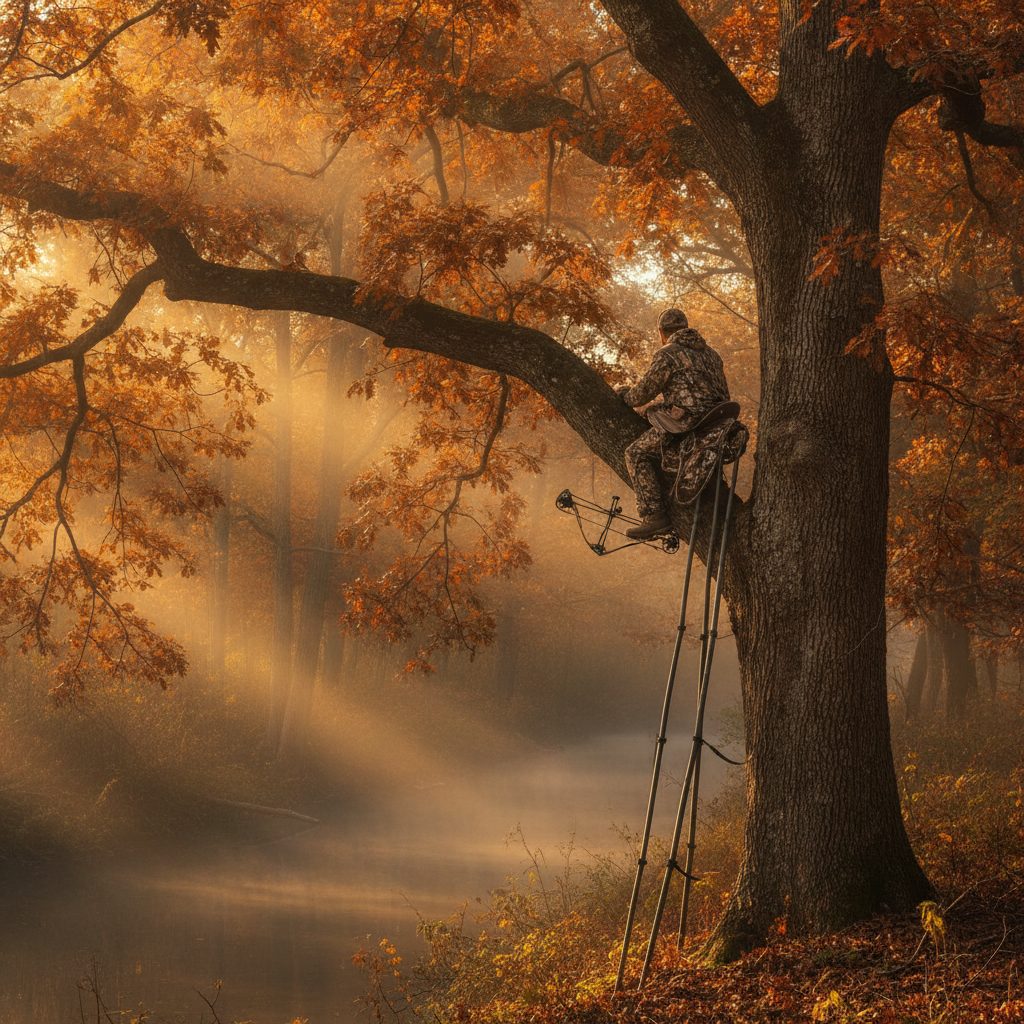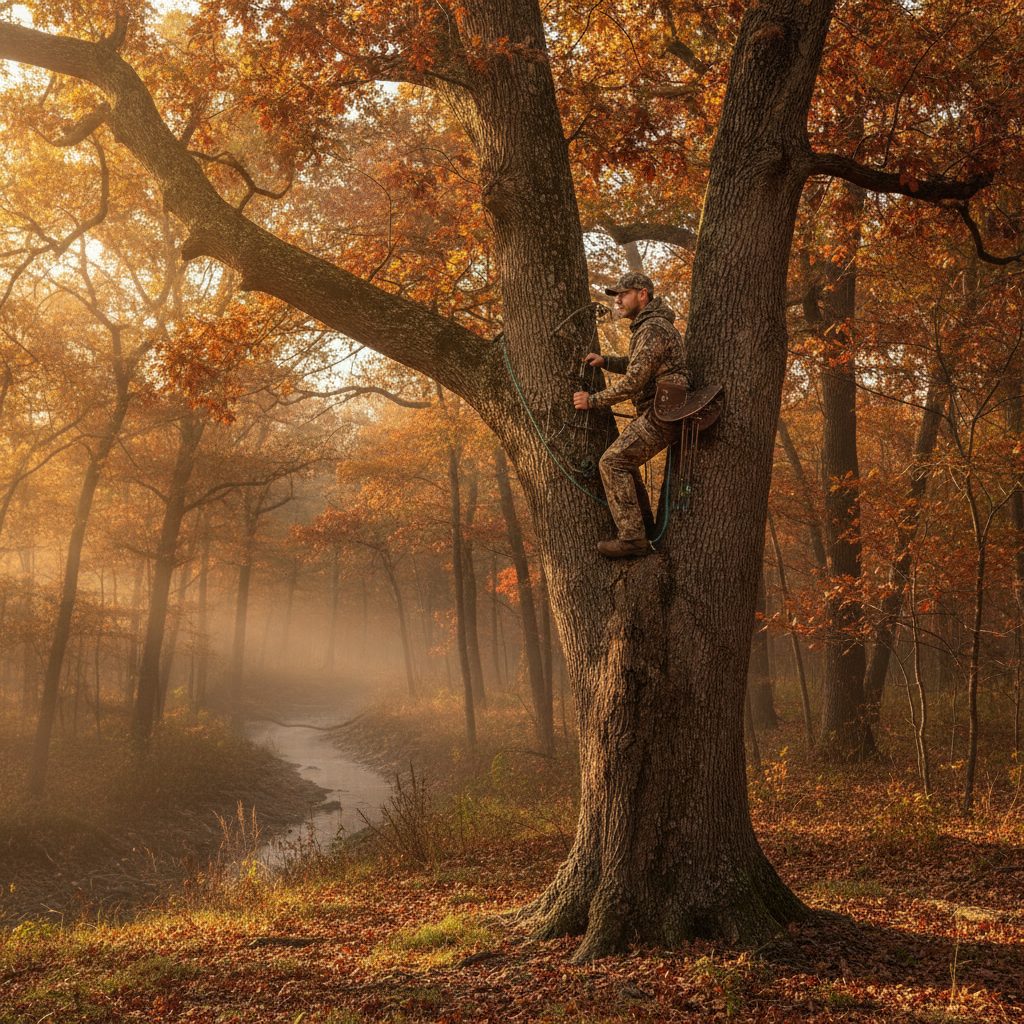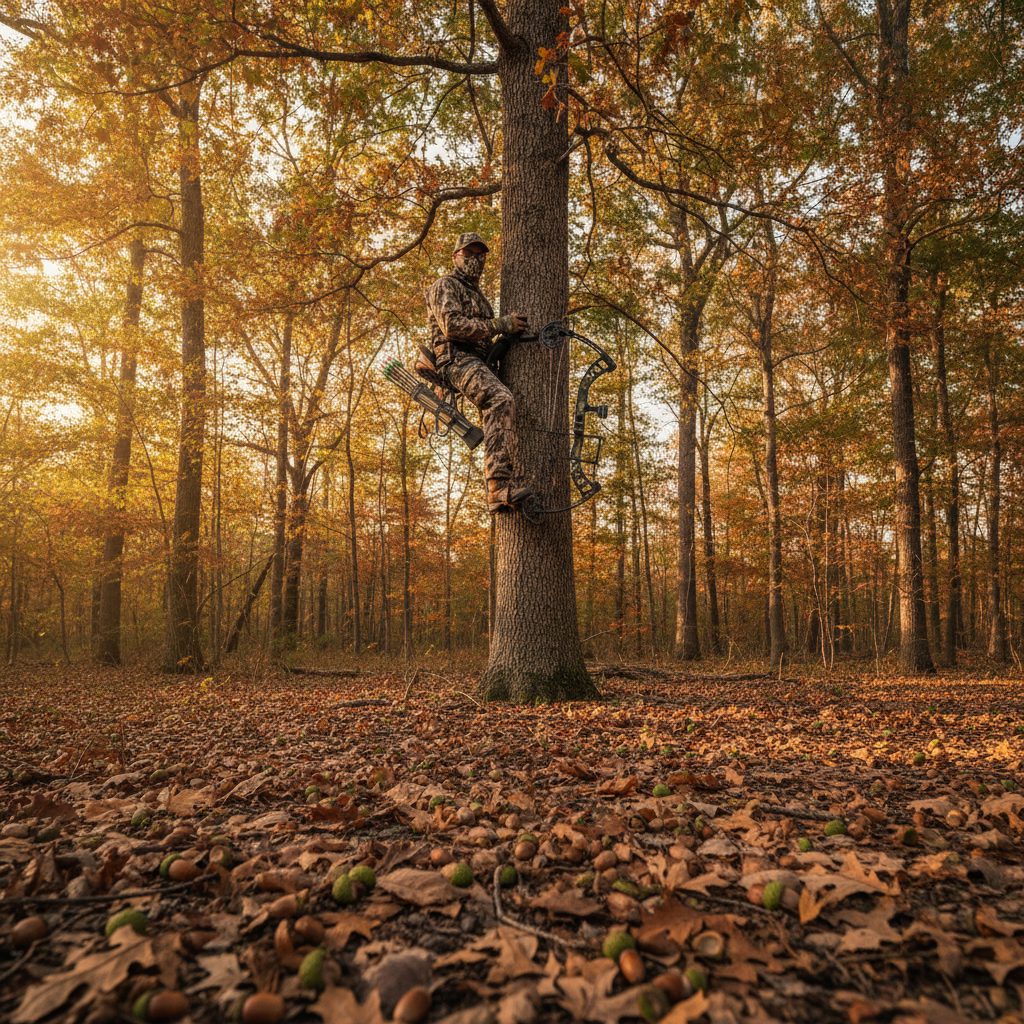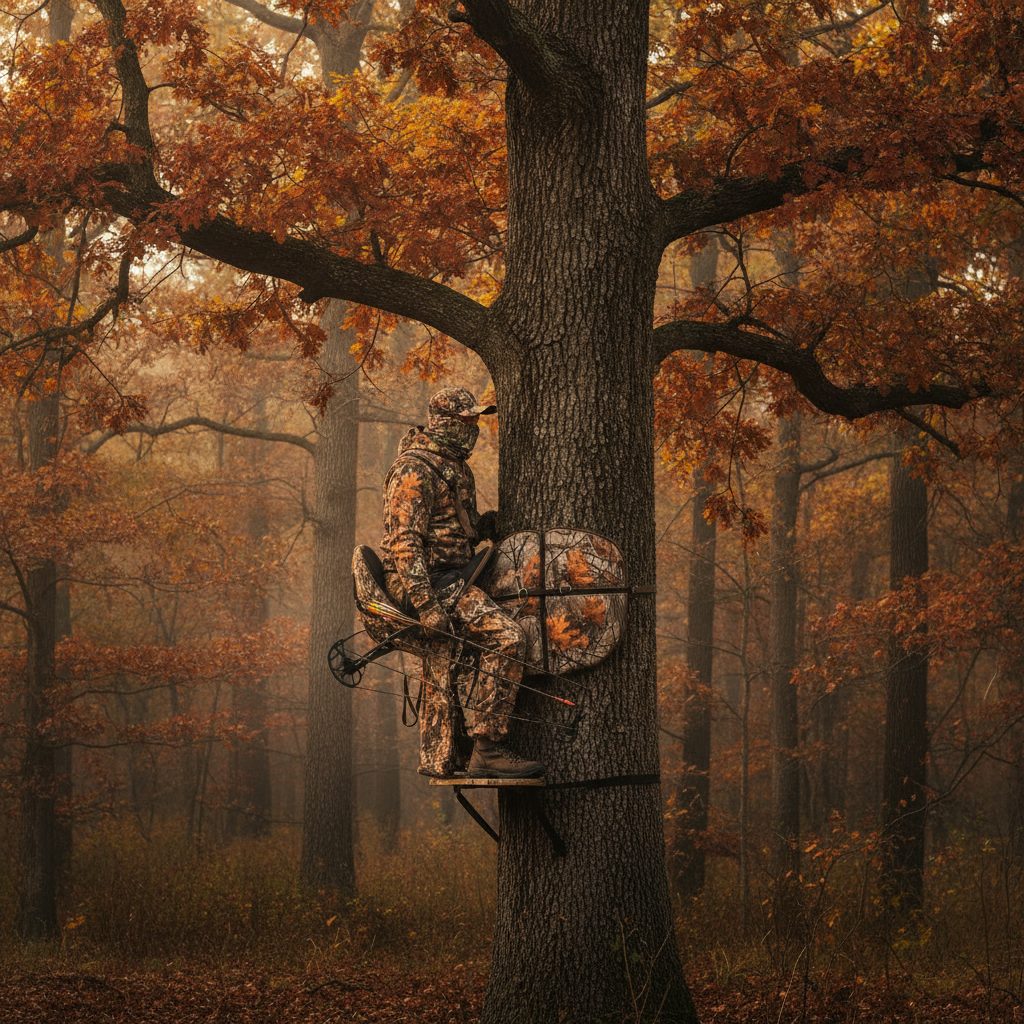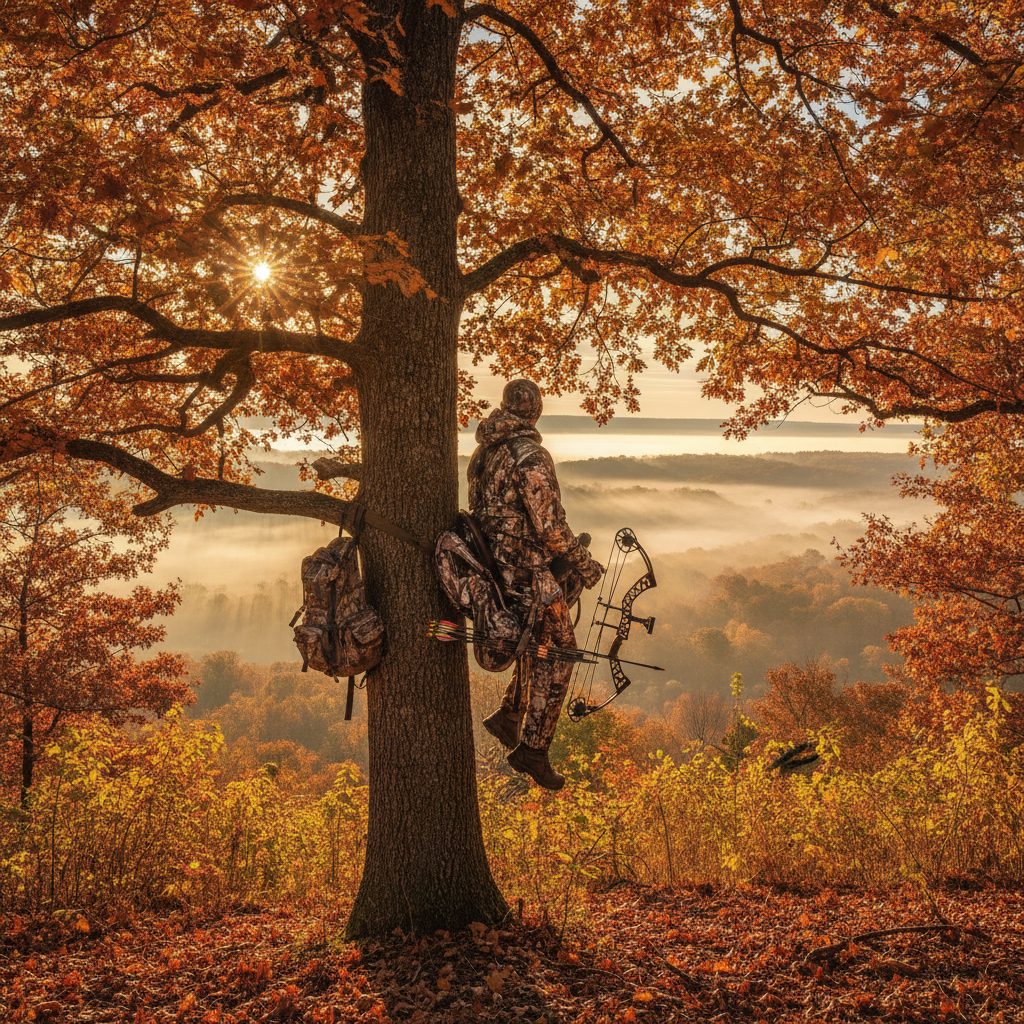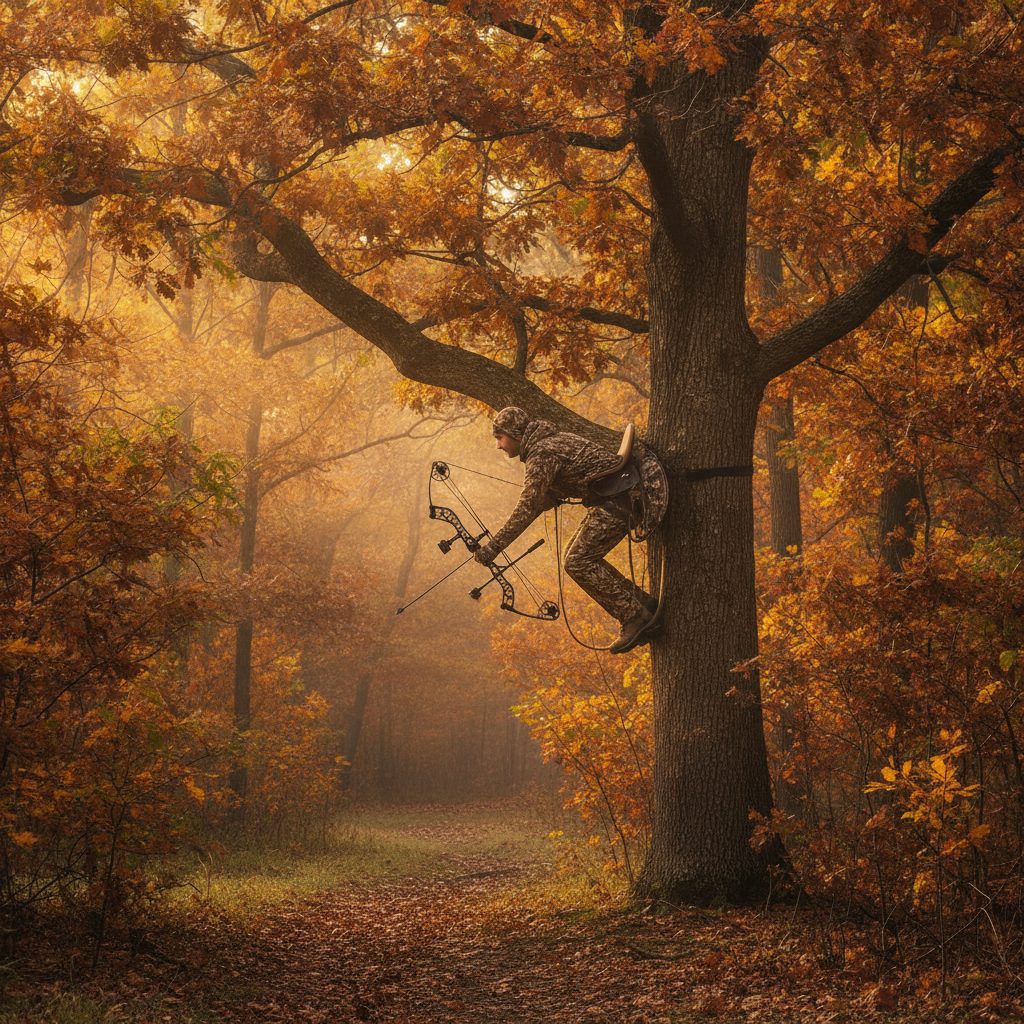
Pre-Rut Scrape Lines Are Lying to You — Hunt Them Anyway
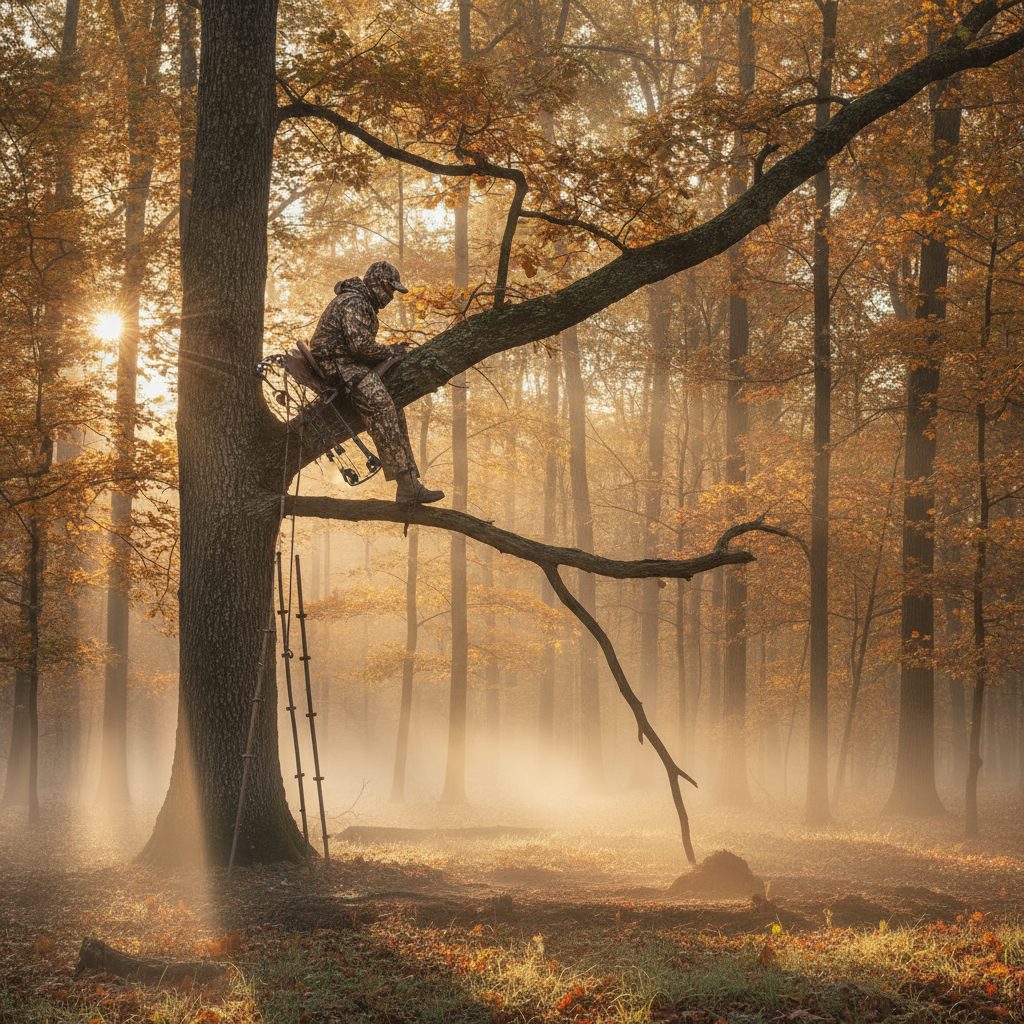
Right now — the first week of October — is the most underrated stretch of the entire deer season. Bucks are on their feet, scrapes are getting freshened every night, and you have a narrow sliver of time before the chaos of seeking and chasing turns all your intel to dust. If you're a mobile saddle hunter and you're not moving every single day this week, you're burning daylight.
The Pre-Rut Window: Short, Sweet, and Brutal
Across the Midwest and Northeast, pre-rut seeking typically kicks off around the last week of October. That means right now, bucks are still somewhat patternable — hitting scrapes on a loose schedule, working rub lines, and staging near food before dark. This is your best chance all year to catch a mature deer making a repeatable mistake. The problem? That window closes fast. Once seeking mode flips on, all bets are off.
The saddle hunter's edge here is obvious: you can go to the deer instead of hoping a deer walks to a fixed hang-on you screwed into a tree three weeks ago. Scrape showing fresh dirt at 6 a.m.? You can be set up on it by noon. That kind of agility is the whole game during pre-rut.
Read the Sign, Then Trust Your Legs
Don't overthink it. Walk transition corridors — the seams between thick bedding cover and whatever food source is pulling deer right now. You're looking for three things stacked together: a fresh rub, a hammered scrape with an active licking branch, and a pinch or funnel that concentrates deer movement through one spot. Find all three in the same 40-yard radius and you've found a saddle set worth your afternoon.
The mistake most hunters make is parking on a scrape and waiting. Scrapes are communication hubs, not dinner tables. Bucks cruise them, they don't linger. You want to be set up on the approach — the trail leading into the scrape from bedding — not directly over it. Give yourself 20 to 30 yards of daylight between your tree and the scrape itself. Let him commit before he ever smells or sees a thing.
Gear That Lets You Send It Daily
A mobile setup that punishes you physically is a setup you won't use every day. And every day matters right now. The new generation of saddles — like Tethrd's Phantom XP, which blends an expandable panel with a refined bridge system for an all-day fit — is making it easier to stay in the tree from first light through dark without grinding your hips to dust. That matters. All-day sits during pre-rut aren't optional if you want a crack at a mature buck transitioning scrapes mid-morning.
Pair your saddle with lightweight sticks that deploy fast and go quiet. Climbing in on a fresh scrape line is pointless if you're clanging aluminum on bark at 30 feet. Carbon sticks stay silent and warm to the touch in cold snaps — a small detail that becomes a big deal when temps drop and your bare hands are fumbling gear at 5 a.m.
One Cold Front, One Decision
Here's the tactical truth about October: weather moves the needle more than any stand location right now. A sharp cold front pushing through your county is worth more than three weeks of trail camera data. When one rolls in between now and Halloween, don't wait. Get up, grab your sticks, and go find the freshest scrape line you've got intel on. Set up fast, hunt hard, and reposition if the wind shifts.
- Morning sets: Focus on transition trails between bedding and scrape clusters. Get in early and stay quiet.
- Midday moves: Don't climb down. If the wind holds, a buck checking scrapes at 10 a.m. is a real possibility — especially after a front.
- Evening repositions: Shift toward food-side cover. Pre-rut bucks are still hitting food before full dark.
Don't Burn It — Stay Mobile
The biggest sin a mobile hunter can commit in pre-rut is burning a great location too early. If you hang a set on a killer scrape line, hunt it once with a perfect wind, and then leave it alone for four or five days. Come back after the next front. Mature bucks have a sixth sense for pressure, and scrape lines in particular get abandoned fast once a buck catches a boot track or a face-wipe on the licking branch.
The beauty of the saddle system is that you can walk away. No hang-on to abandon, no ladder stand you're mentally attached to because it cost you three hours to hang. Climb down, pull your sticks, and vanish. The sign will still be there. So will the buck.
October is burning. Get in the woods.