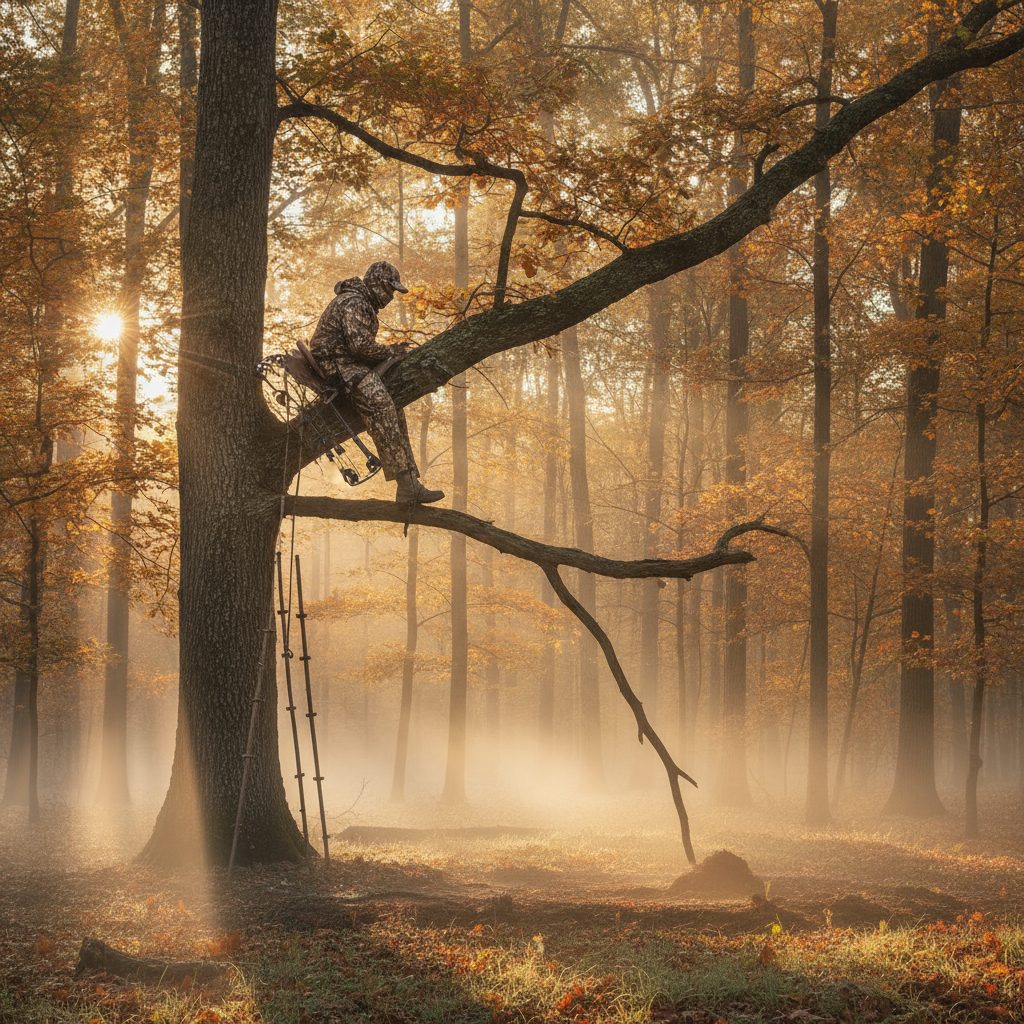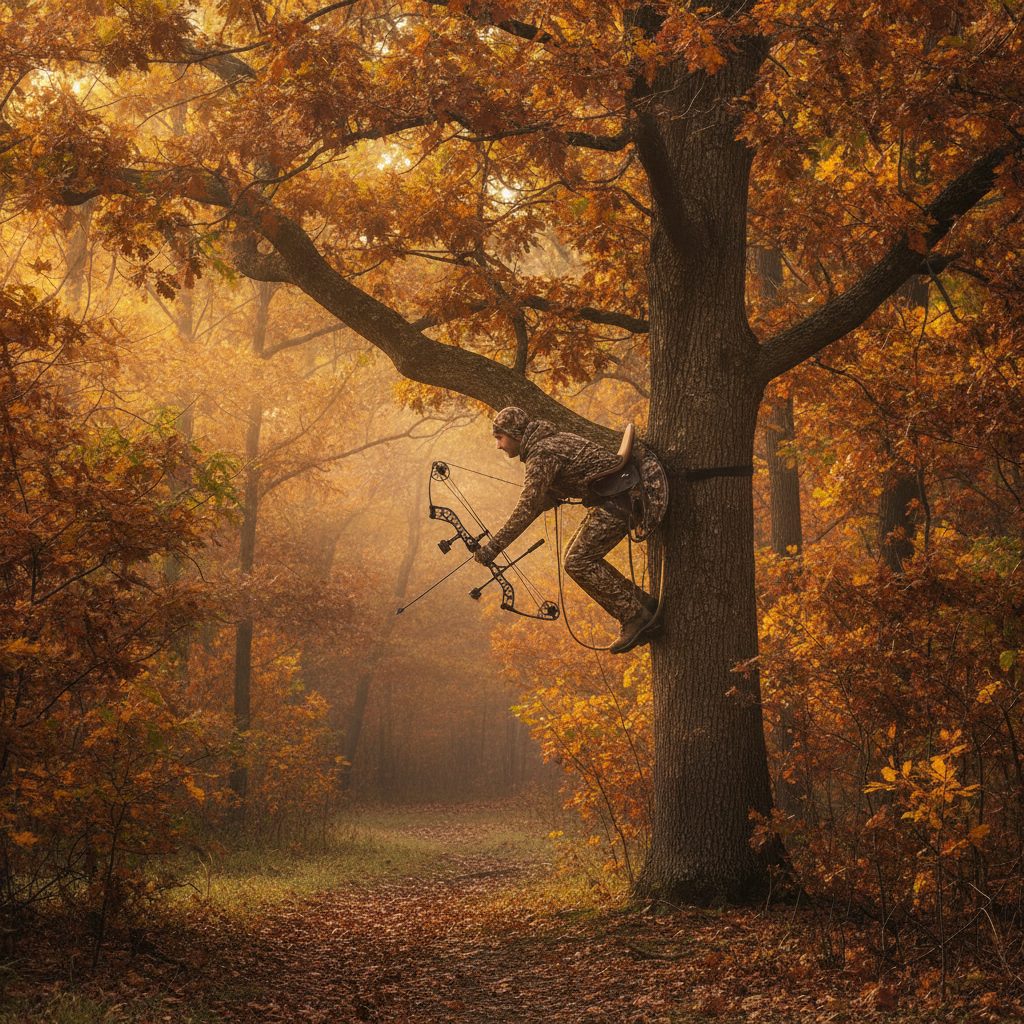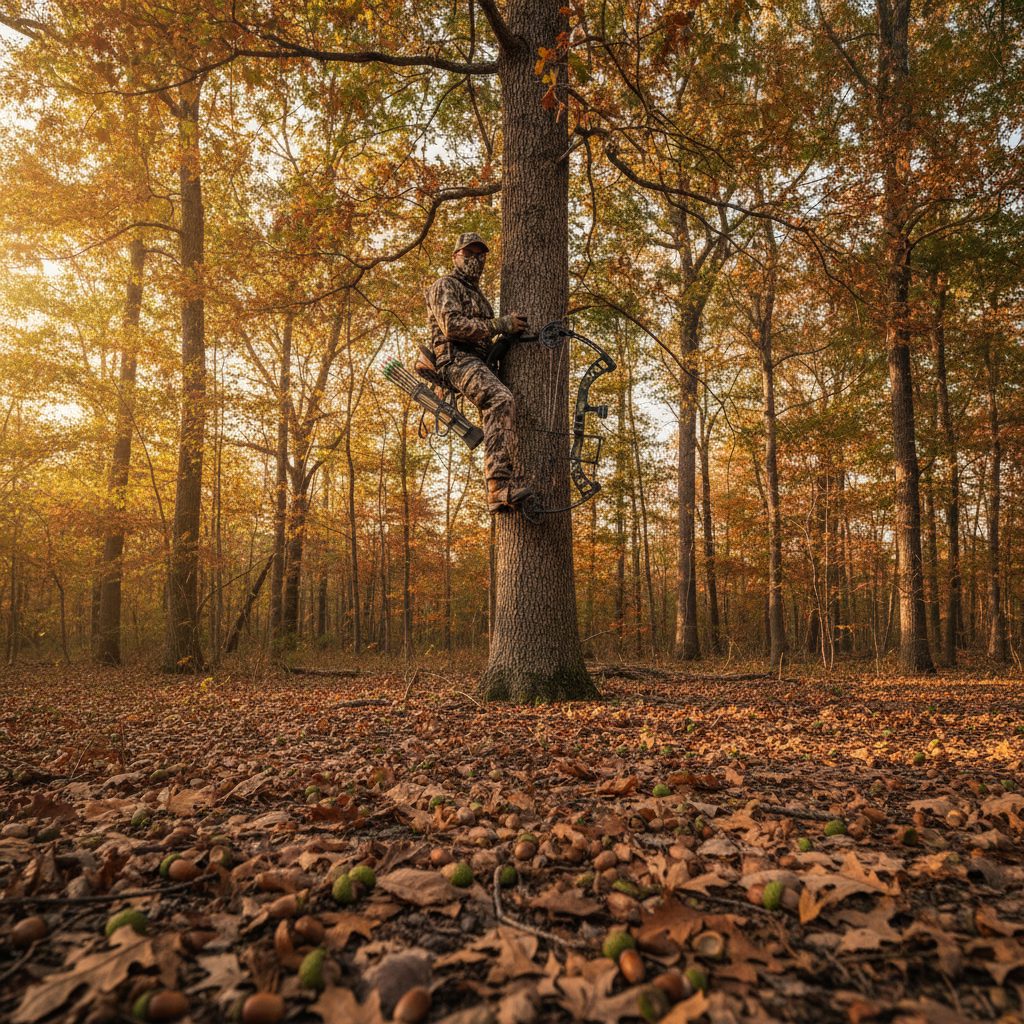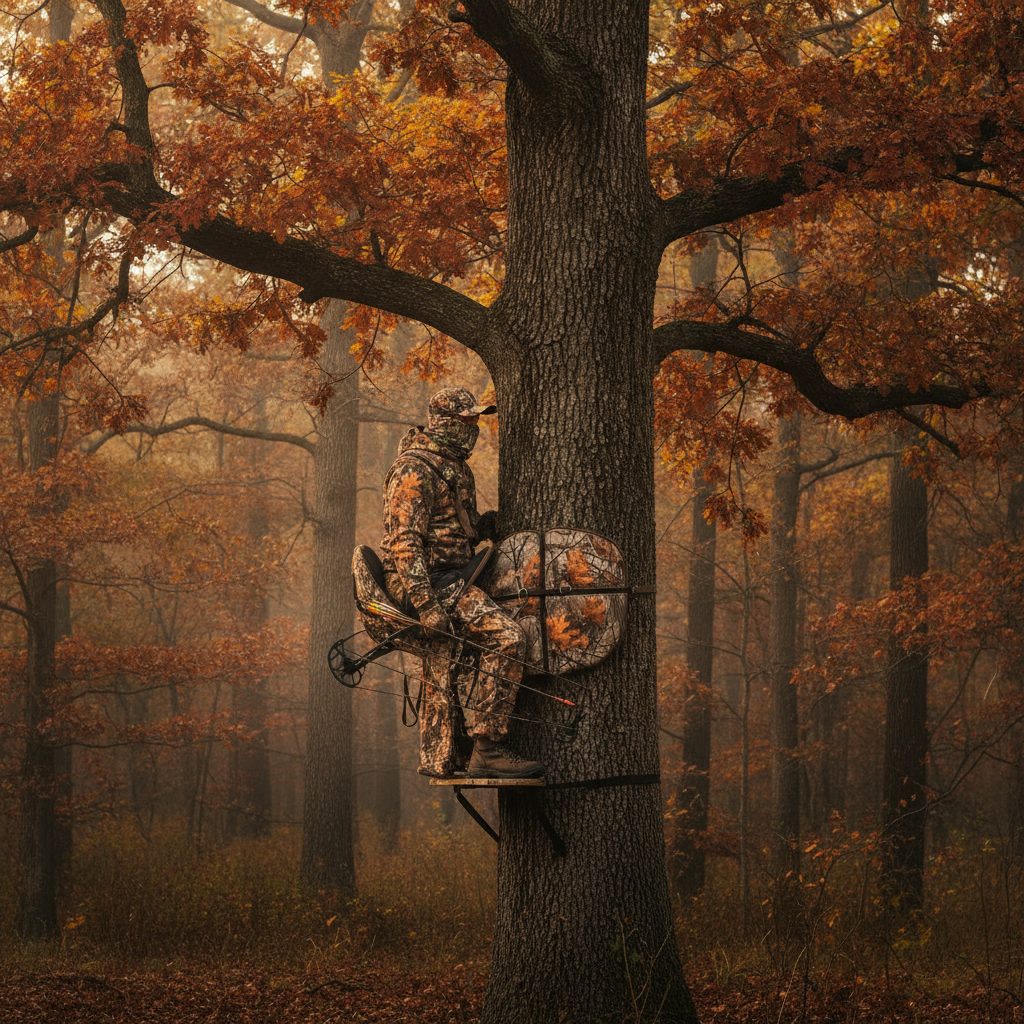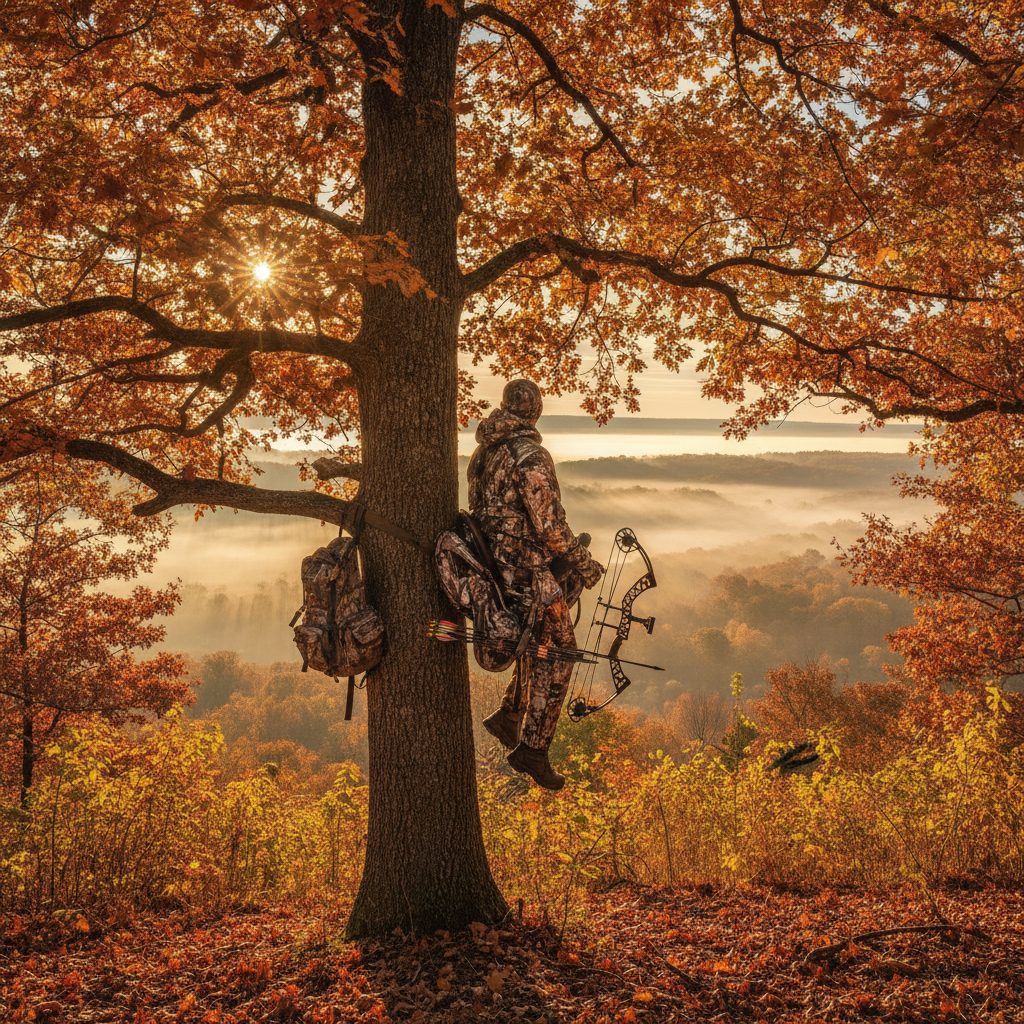
The Seven-Day Window: Mobile Saddle Hunting the Pre-Rut Shift Right Now
Right now — today, this week — is arguably the most consequential stretch of the entire whitetail season for a mobile saddle hunter. Bucks are shifting. The bed-to-food patterns that held all of October are cracking. Scrapes are getting hammered overnight. A shooter that was a ghost on your cameras two weeks ago just showed up at noon, nose down, covering ground. The game has changed, and if you're still sitting the same setups you were in September, you're already behind.
What the Transition Actually Looks Like on the Ground
The late-October pre-rut transition is a specific, identifiable phase — not a vibe, not a guess. Bucks are expanding their range, checking doe groups, and lighting up scrape lines connecting bedding and feeding areas. The predictable evening feed patterns are getting less reliable by the day, while mid-morning and midday movement starts climbing. If your trail cameras are showing bucks you've never seen before, or familiar bucks in spots they had no business being at 10 a.m., you're watching the shift happen in real time.
This is also when a mobile saddle hunter has the single biggest edge over anyone hunting a fixed hang-on or ladder stand. You can go where the sign is today. Not where it was three weeks ago when you hung that stand. Today.
Why Saddle Hunting Was Built for This Exact Moment
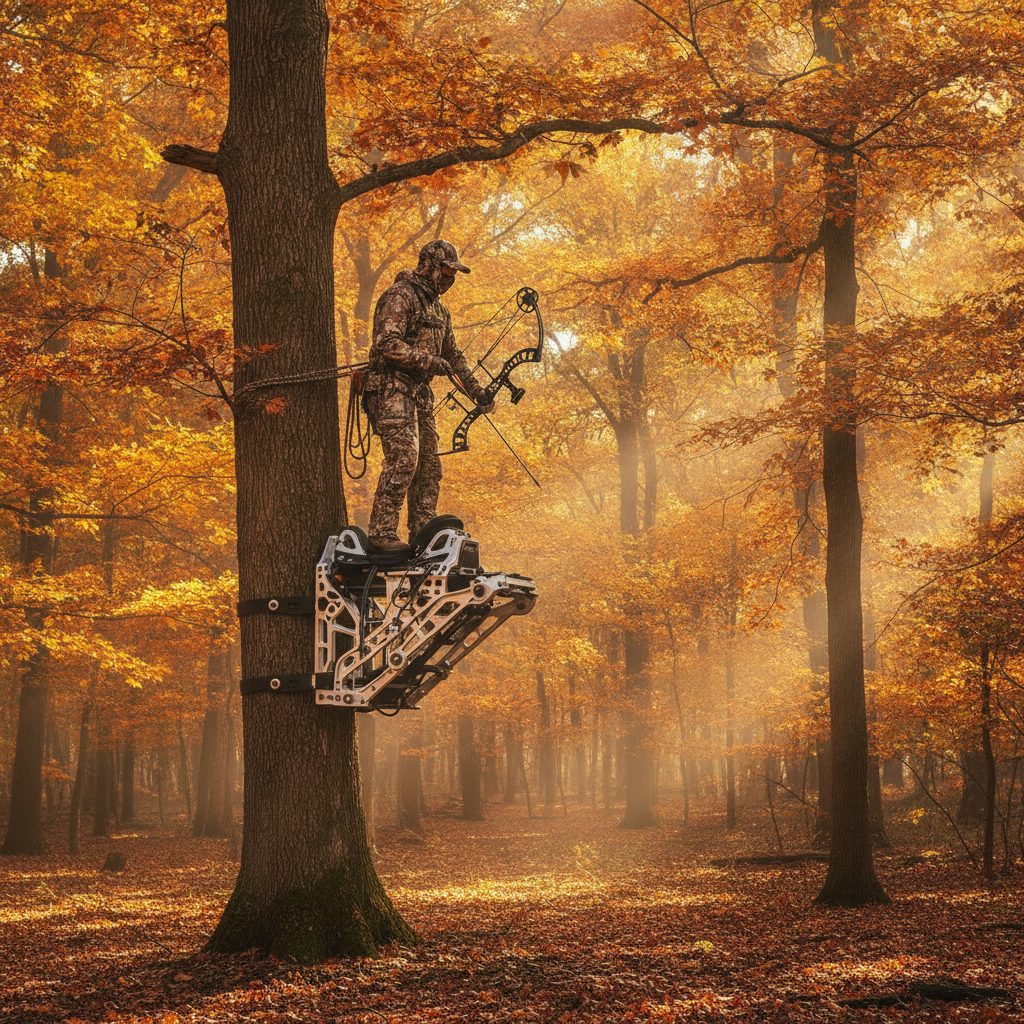
Think about what this transition demands tactically. Bucks are unpredictable in direction. They might work a scrape from the north one morning and from the south the next. They're cruising terrain saddles, inside corners, ridge crossings — transitional cover that rarely has a "perfect" hang spot pre-identified. A climbing-stick-and-saddle rig lets you walk in, read the sign fresh, and place yourself in the tree that makes the most sense right now, with the wind you have today.
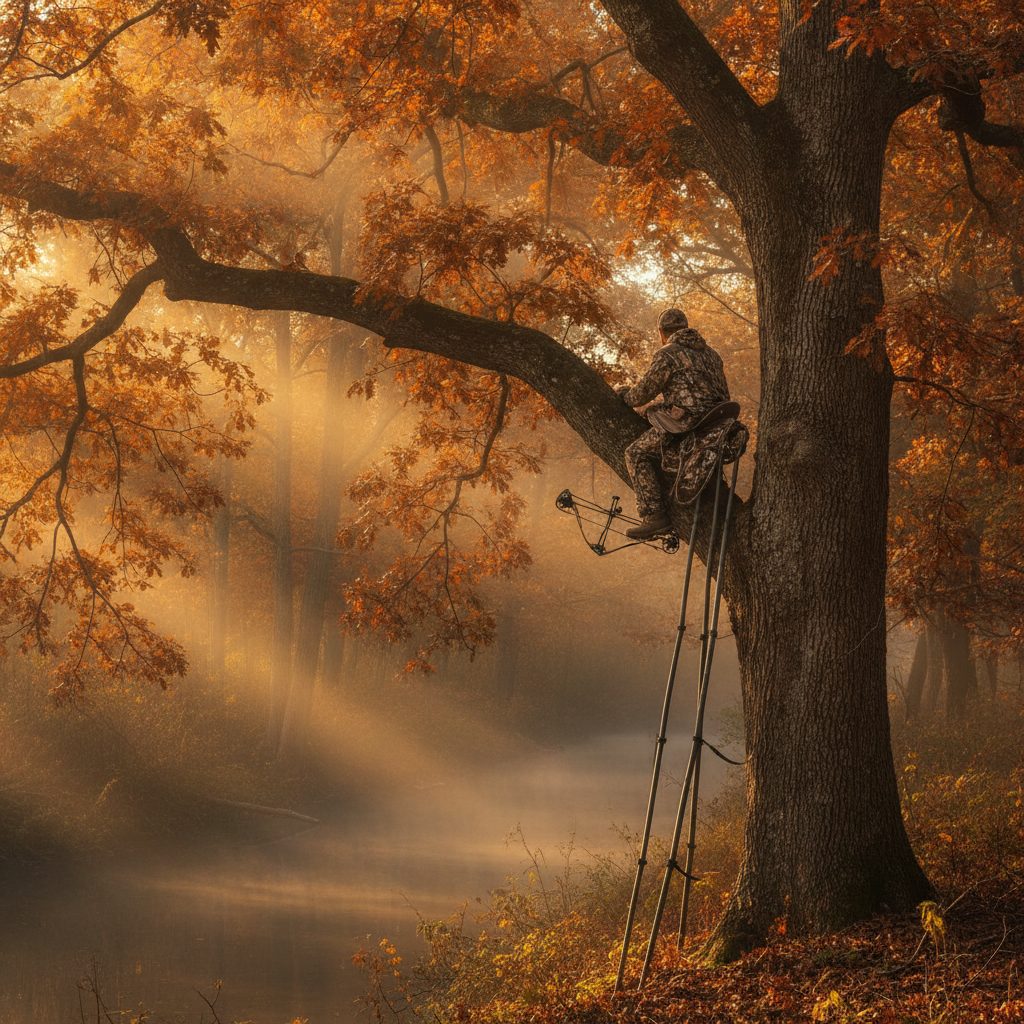
The 360-degree shootability that saddle hunting gives you isn't just a cool feature — it becomes a genuine kill advantage during seeking behavior. A cruising buck doesn't care about your shooting lanes. He'll materialize from the wrong direction every single time if you let him. Being able to pivot around the tree and draw without a railing or a platform rail in your way can be the difference between a chip shot and a busted hunt.
How to Play the Next Seven Days
Here's the framework. Keep it simple and stay aggressive with your feet.
- Hunt travel, not destination. Ditch the food-source setups for morning sits. Get in tight to bedding, on the travel routes bucks are using to check multiple doe groups. Funnels, pinch points, inside corners of field edges, creek crossings — these are your money spots right now.
- Follow the scrapes. Fresh, worked scrapes — dirt turned dark and wet, licking branches shredded — are a mobile hunter's X-marks-the-spot. Don't just note them. Hunt them. Get in a tree within bow range with the wind in your face and sit it hard.
- Go low-pressure on access. This week is when bumping deer on the way in destroys opportunities. Use terrain, wind thermals, and creek bottoms to slip into position. A saddle rig that fits in a daypack means you're not fighting a hang-on stand through a swamp at 5 a.m. — you're moving quietly, efficiently, invisibly.
- Be willing to move mid-hunt. If you climbed in at first light and the sign is telling you something different than you expected, get down at midmorning, reposition 200 yards, and go again. Mobile hunting was literally designed for this. Use it.
- Don't burn your best spots early. The Oct 28–Nov 12 window is coming fast, and peak seeking and chasing will make bucks even more vulnerable. If you've got a honey hole you've been protecting, that's when you cash it in — not today, unless conditions are absolutely perfect.
The Mindset Shift That Separates Tagged Hunters from Tag Soup
Every serious mobile hunter eventually internalizes the same truth: the best stand you can hunt right now is rarely the stand you planned to hunt. Conditions change. Buck movement changes. You have to change with it. A saddle system — lightweight, packable, deployable in under five minutes — removes the friction that keeps hunters locked into mediocre spots out of convenience.
The next seven days are a gift. Bucks are making mistakes they won't make again until next October. Get off the couch, check your cameras one more time, and put yourself in a tree that makes sense today. The rut is knocking. Let it in.