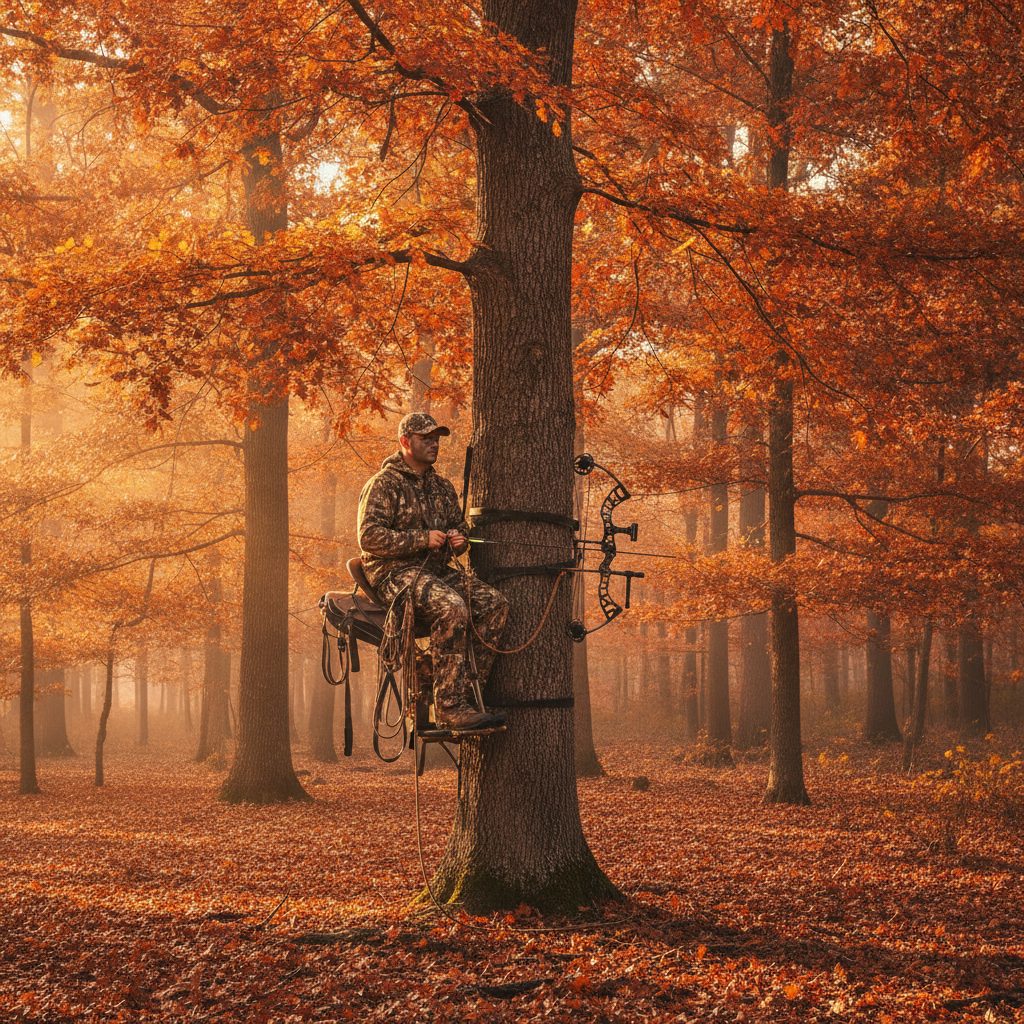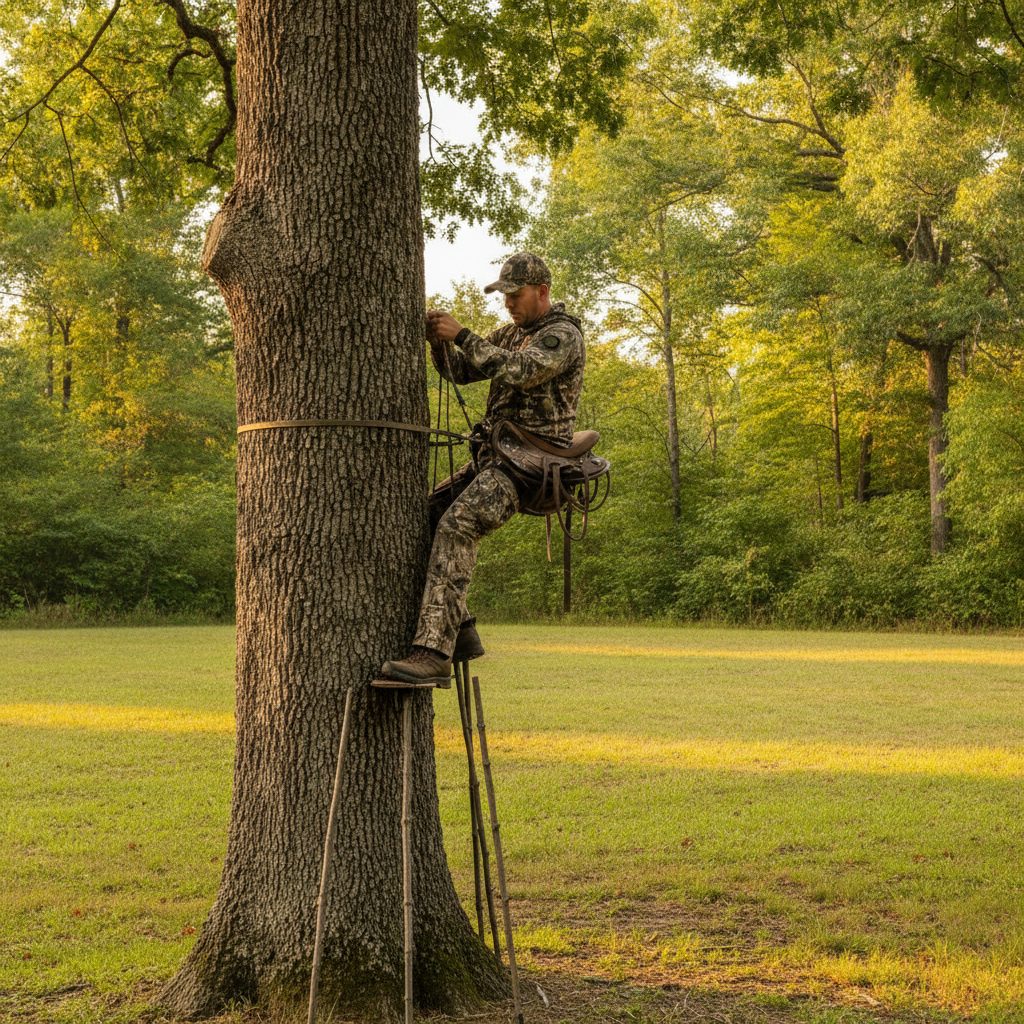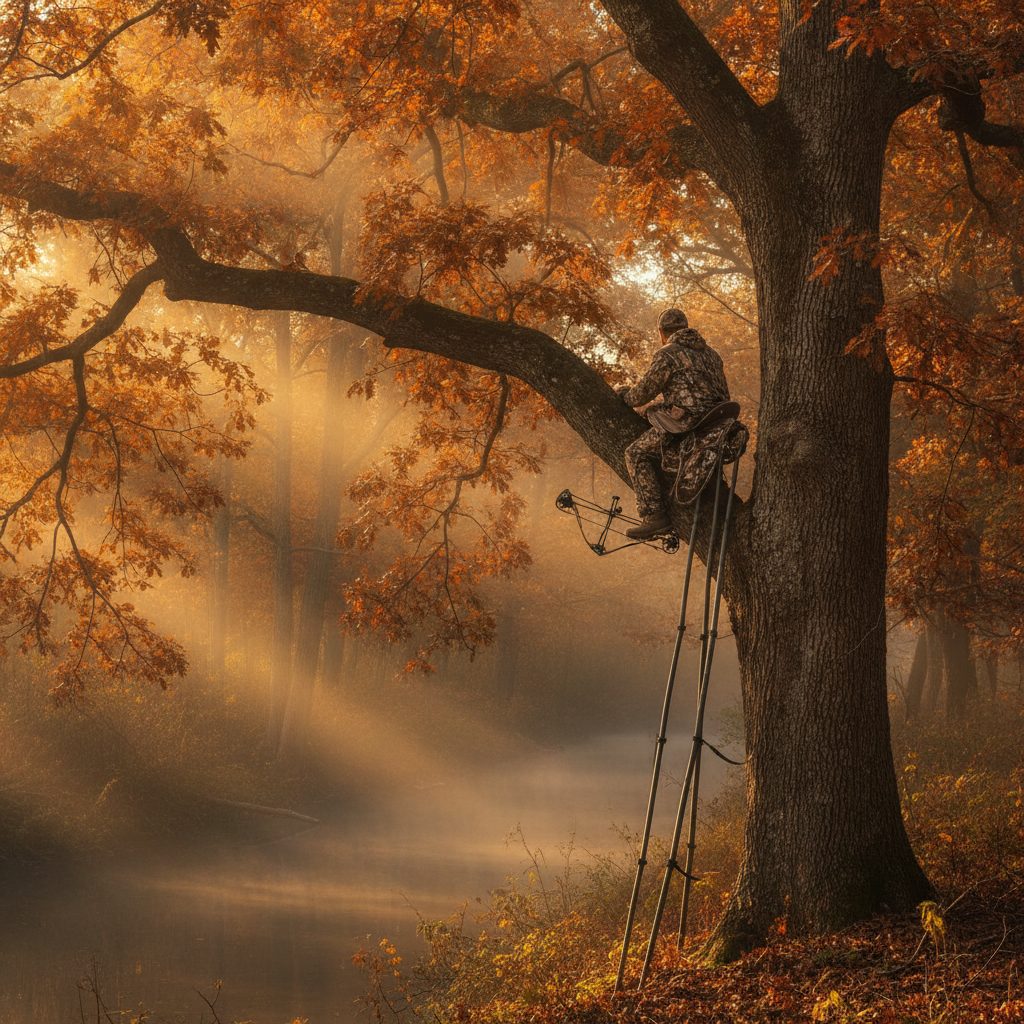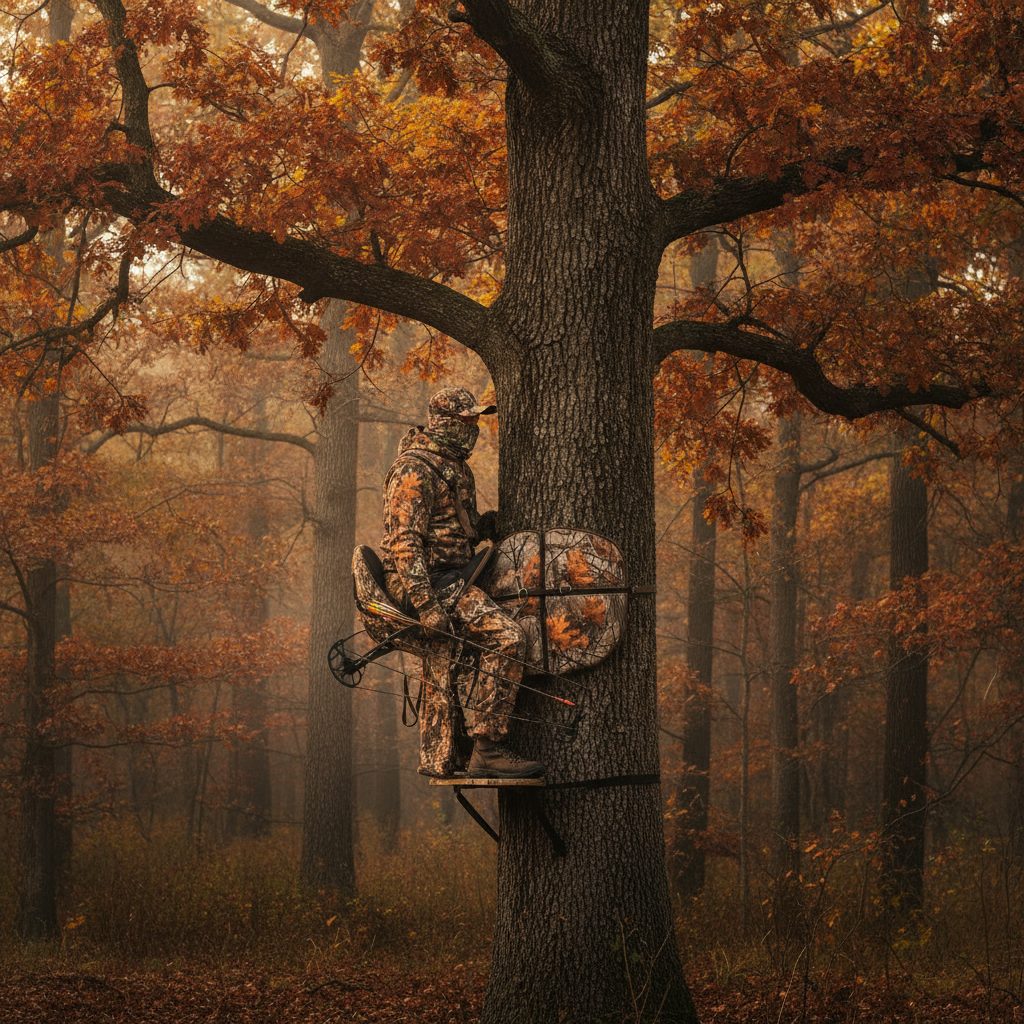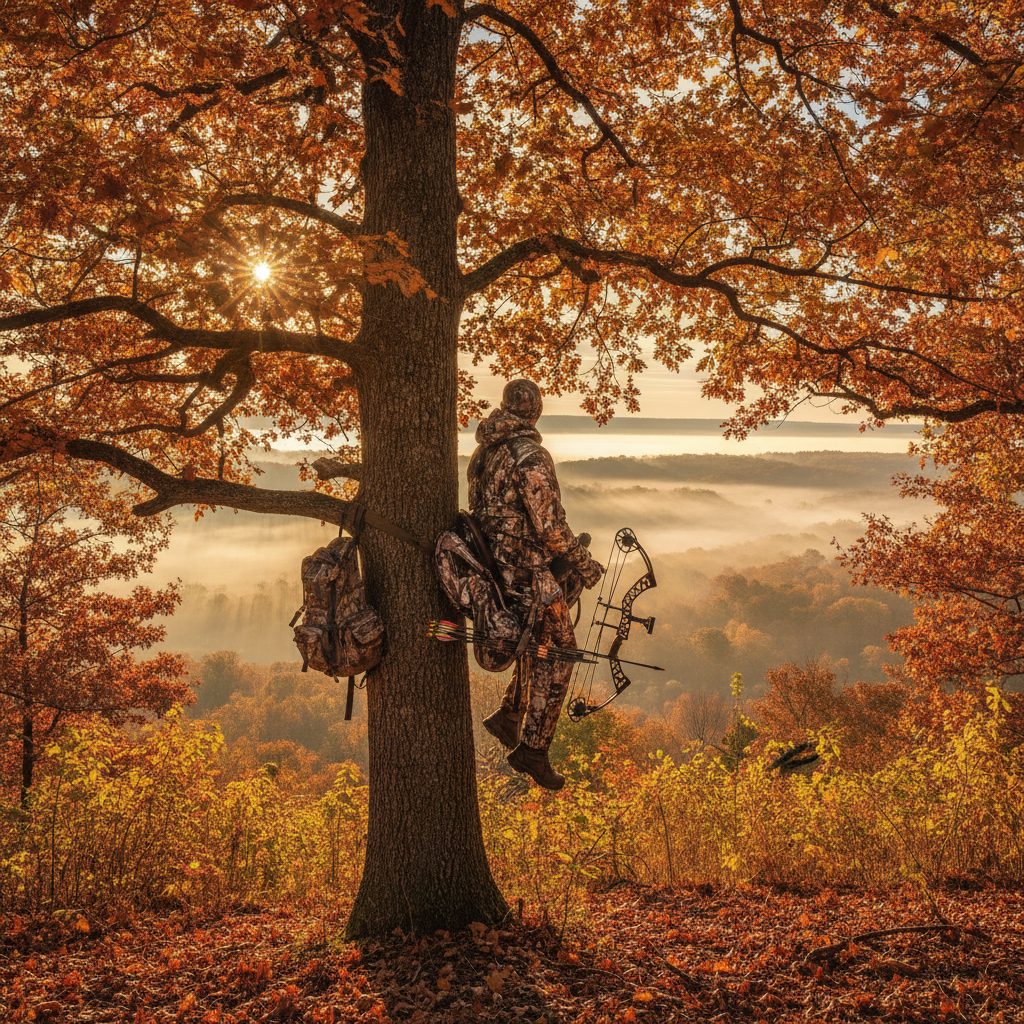
Saddle Hunting Has Officially Stolen the Spotlight in Bowhunting Media
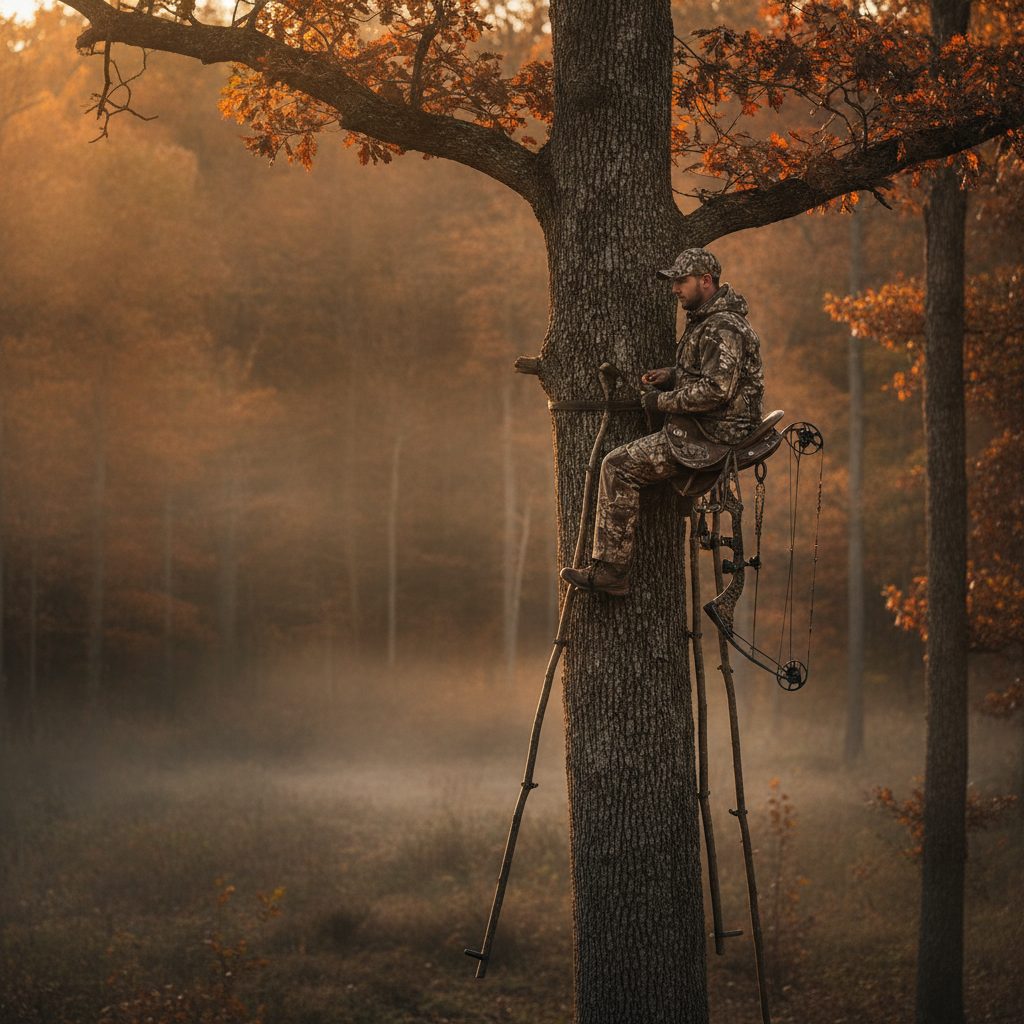
For years, saddle hunting lived in a tight, passionate corner of the whitetail world. Forums. Facebook groups. YouTube rabbit holes at midnight. The mainstream hunting press mostly looked the other way. That's over. Spring 2026 made it official.
Bowhunter magazine published a dedicated feature this past April spotlighting five new ultralight mobile hunting products worth watching in 2026. It wasn't a sidebar. It wasn't buried in a gear roundup. It was a standalone editorial push — headline and all — aimed squarely at the run-and-gun crowd. When one of the most widely read bowhunting titles in the country builds a feature around keeping hunters mobile and light, that's not a trend anymore. That's the new standard.
Why This Moment Actually Matters
Think about the arc. Five years ago, if you told your buddy at deer camp you were hunting out of a saddle strapped to a tree, he'd ask if you were joking. Today, that same guy is probably researching climbing sticks on his phone between sets. The culture shifted fast — but media tends to lag behind culture. When it finally catches up, it accelerates everything.
That's exactly what's happening now. Mainstream editorial coverage does two things the niche community can't do alone: it validates the gear category to hesitant buyers, and it puts pressure on brands to keep innovating. Both are good for the mobile hunter.
Brands have been reading the room. Out On A Limb MFG — the American-made operation out of Enid, Oklahoma — has a dedicated new-products page rolling out 2026 releases. JAKT Gear, whose Ultimate Tree Gear Collection took home Best New Accessory honors at the 2024 Archery Trade Association Show, pushed a full 2026 product catalog this season. These aren't small operations experimenting with niche ideas anymore. They're established builders with real production pipelines, responding to real demand.
What the Editorial Shift Signals for Gear Buyers
Here's the practical read: when major publications feature a category, the inbox at every retailer in that space fills up with first-time buyers. That's good for availability and — eventually — for pricing. More buyers means more units. More units means better economies of scale for brands building ultralight aluminum and carbon components in small runs.
It also means the bar for what gets called "good enough" rises. A mainstream audience isn't going to tolerate gear that bites the tree hard but rattles like a tin can, or a saddle that looks slick but puts you in hip-pinch hell by hour three. The brands that survive the attention wave will be the ones that already solved those problems.
- Modular systems are winning: Gear that plays well with other gear — MOLLE-compatible, mix-and-match stick holsters, tool belts that wrap any tree — keeps showing up in editorial picks. Build your kit around interoperability.
- Weight is still king: Every major feature in mainstream media right now leans into the ultralight angle. If your system can't fit in a daypack and clock in under ten pounds total, you're swimming upstream.
- Accessibility is accelerating: New buyers entering via mainstream media aren't gear nerds yet. Brands that nail out-of-the-box usability — intuitive attachment, minimal fuss at the base of the tree — will own that wave.
The Long Game From Here
None of this means saddle hunting loses its soul. The community that built this thing — the obsessives, the DIY rope-bridge tinkerers, the forum grinders who argued stick geometry at 1 a.m. — they're still driving product innovation. They always will be. What changes is that their work now gets a megaphone it never had before.
If you've been sitting on the fence about going mobile, the 2026 gear landscape is the best it has ever been to make the jump. The media finally agrees. More importantly, the gear backs it up.