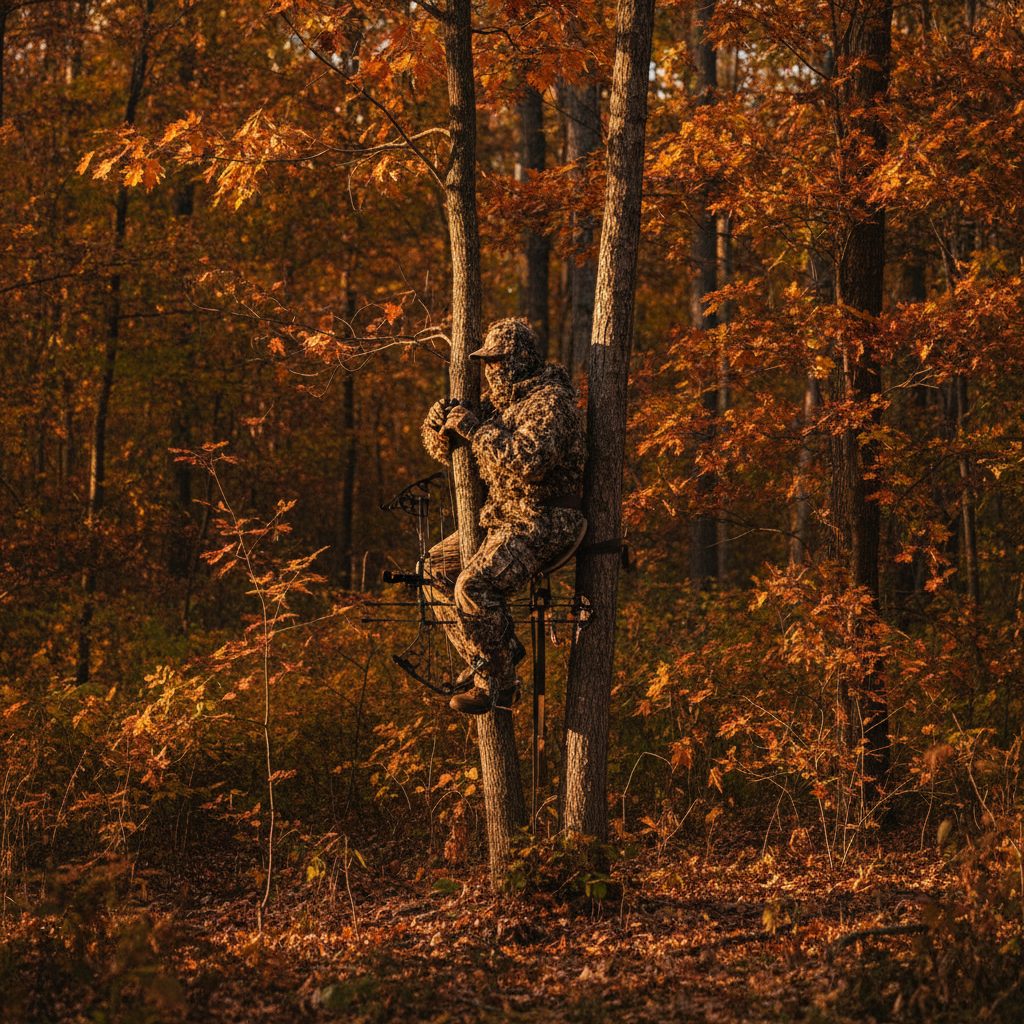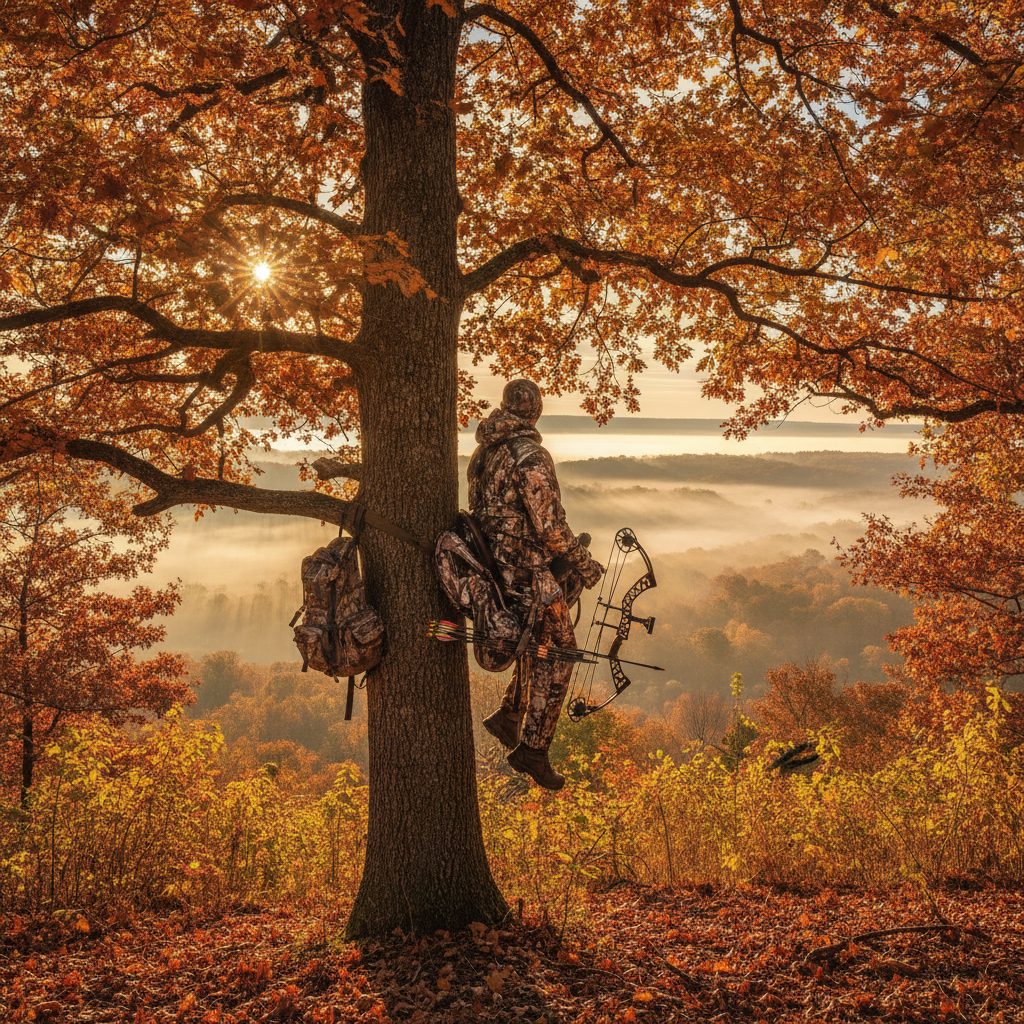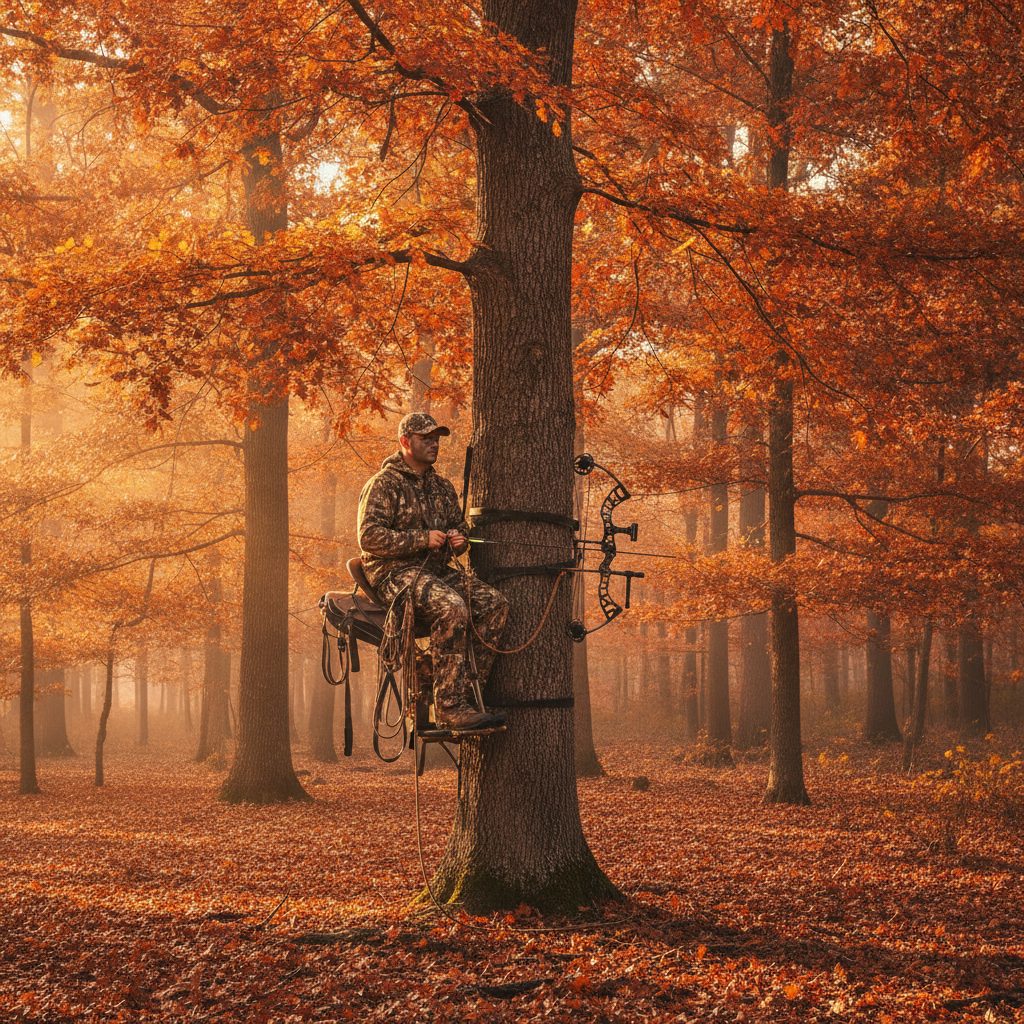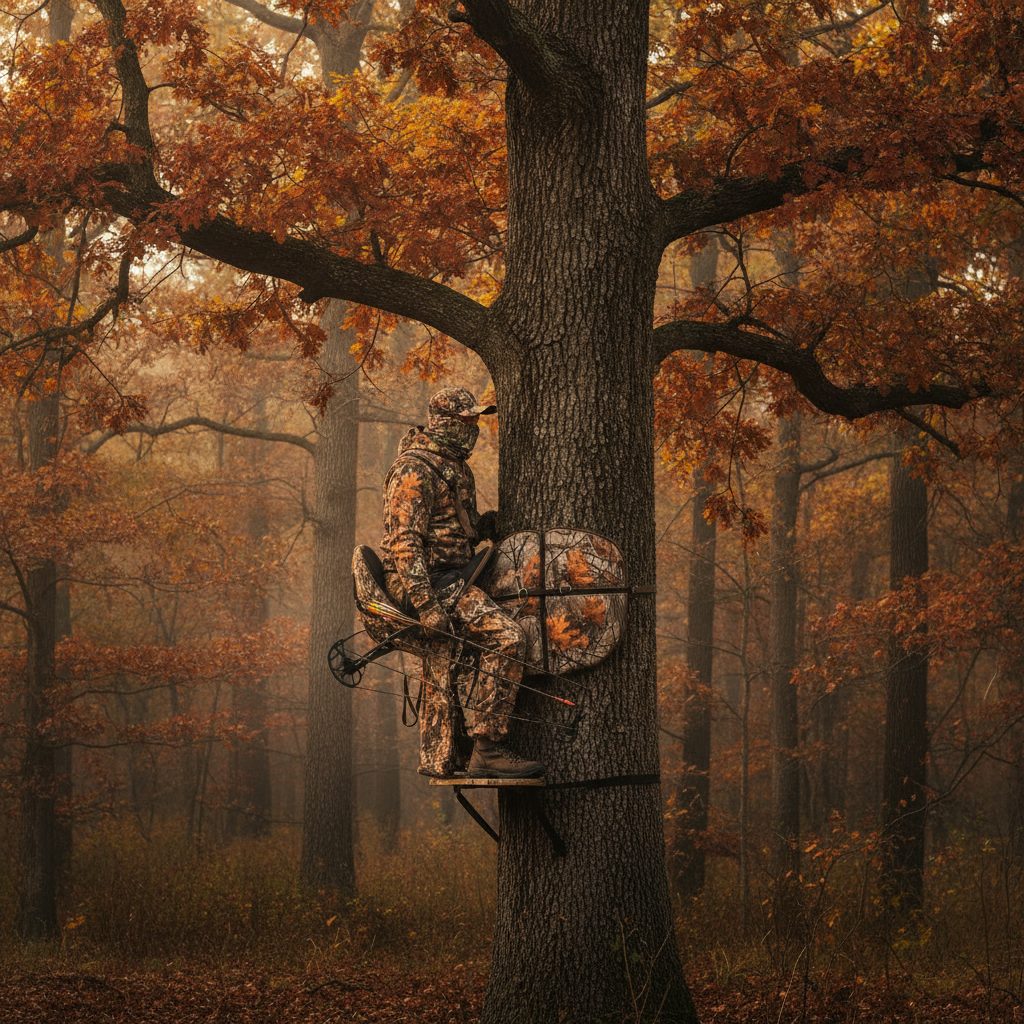
Saddle Hunting Hit a Tipping Point in 2025 — Here's the Proof
Something shifted in 2025. Not quietly, either. The kind of shift you notice when brands that have been selling hang-on stands and treestand safety harnesses for twenty-plus years suddenly show up with a full saddle hunting lineup. When companies that built their reputation in one corner of the market bet big on a new one, you pay attention — because they don't do that unless the numbers are undeniable.
Saddle hunting didn't just grow in 2025. It crossed over.
The Legacy Brands Are Watching — And Now They're Building
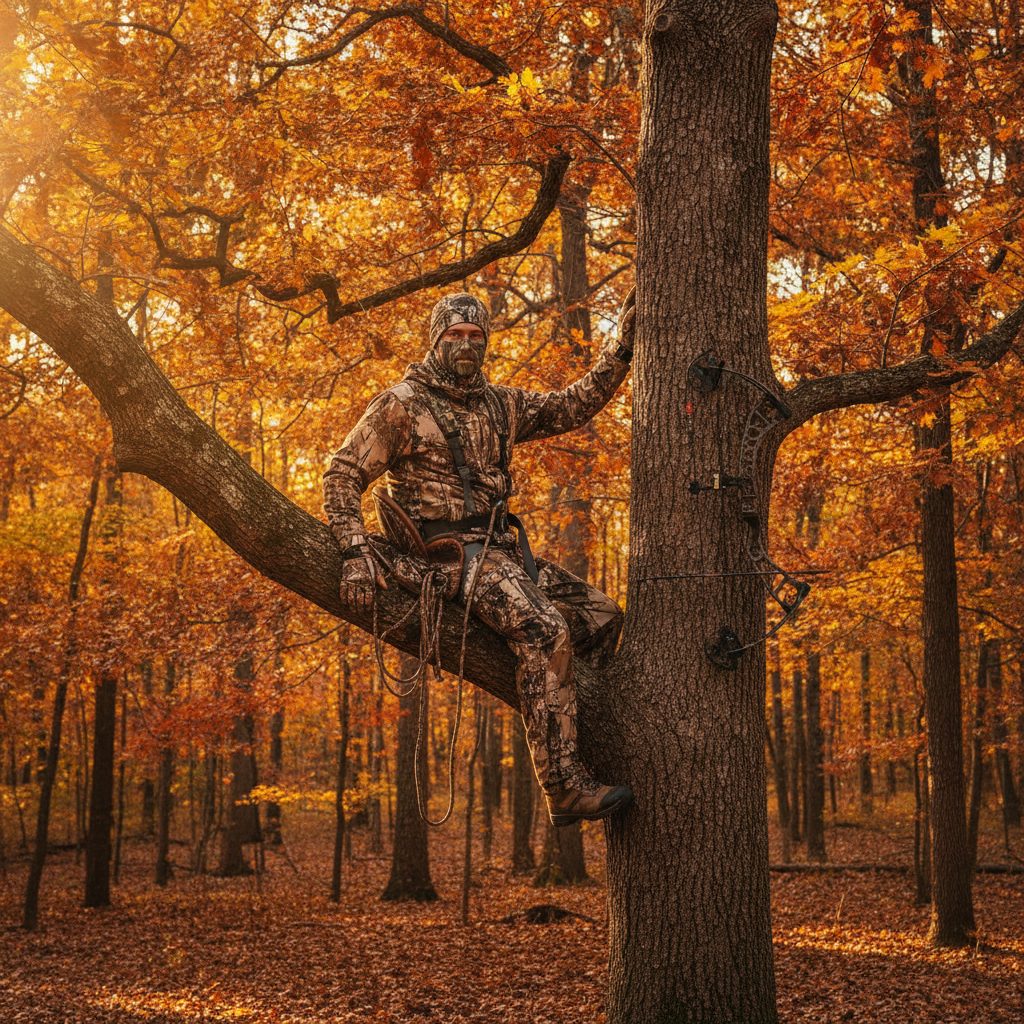
The clearest signal came from Hunter Safety System. HSS has been a cornerstone of treestand safety for decades, but for 2025 the brand launched a full saddle-specific product lineup — saddles, a platform, the works. Their Defender saddle brought expandable pleat construction and MOLLE storage for gear management on the climb, while the Guardian came in under 1.5 pounds and leaned into the ultralight, quick-connect buckle crowd. The Legend Platform rounded out the trio, positioned as the most user-friendly saddle platform on the market for hunters who want comfort and versatility without a steep learning curve.
That's not a toe-dip. That's a full commitment from a company that knows exactly who buys hunting gear and exactly where the market is heading.
New Players, New Sticks, New Competition
Cruzr — already well-established with their saddle lineup — stepped into the climbing stick game in 2025 with the Solution Sticks. Built from aircraft-grade aluminum, they came in at a weight that puts them among the lightest options on the market, with grip-grooved steps and a 300-pound rating. The fact that Cruzr felt the need to own more of the system — saddle and sticks — tells you everything about where the category is going. Vertical integration. More hunters want to buy a complete kit from one brand, and smart companies are building to meet that.
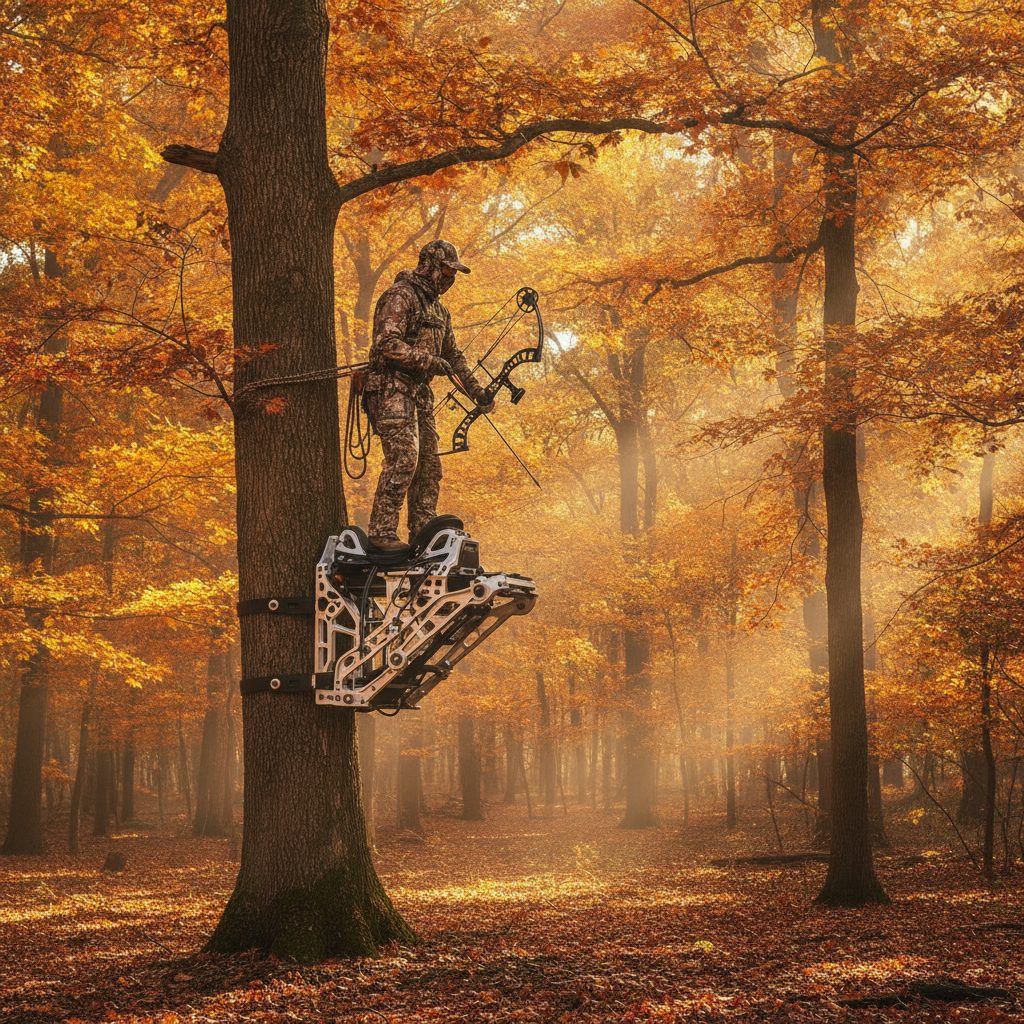
Meanwhile, Tethrd kept the throttle pinned. The Carnivore 2P saddle debuted their Dual Panel Construction — a two-panel saddle that packs and walks in like a single panel, then drops into full two-panel mode at the tree via RAD Buttons. Features like Lay Flat Loops, a Quad Lock Bridge, and Free Float Mode gave hunters more in-tree customization than anything they'd built before. On the platform side, the CFX brought proprietary carbon fiber construction and serious weight savings over aluminum, all made in the USA. And the Predator V — fifth generation — refined an already-dominant platform with an angled front edge, updated stomp pad, and improved leveling knob.
What This Wave Actually Means
Here's the honest read: when a category is niche, the only brands building for it are the ones who believed in it early. Tethrd, Trophyline, Latitude, Buzzard Roost — these names built saddle hunting from the ground floor. But when legacy companies and expanding brands start allocating serious R&D and retail shelf space to a segment, it means the customer base has hit a threshold. Saddle hunting is no longer a fringe method that gear companies humor. It's a market segment they're budgeting for.
That's good news for hunters on every end of the spectrum. More competition means better products, sharper prices, and more options whether you're running a sub-10-pound ultralight kit or outfitting for all-day sits in the nastiest November cold fronts. The brands that pioneered this space still hold the edge in dialed-in, purpose-built gear — but the pressure is real, and it makes everybody better.
If you've been sitting on the fence about going mobile, 2025 made the decision easier than ever. The gear has never been this good. And it's only getting better.