Timber Ninja Rebuilt From the Ashes — and the Saddles Are Better For It
Not every comeback story in the saddle hunting industry involves a flashy carbon fiber platform drop or a two-panel arms race. Sometimes it's messier than that — and more honest. Timber Ninja Outdoors spent the first half of 2025 quietly doing something most small gear companies never get to do: rebuilding after nearly losing everything, then coming back stronger than before.
What Hurricane Helene Actually Did to Timber Ninja
If you followed the brand through late 2024, you know the broad strokes. Hurricane Helene hit western North Carolina hard — and it hit Timber Ninja's facility square in the teeth. Inventory gone. Equipment gone. For a garage-born operation that had been manufacturing proudly in the Appalachians since 2020, that's not just a supply chain problem. That's an existential gut-check. Founder Jason Redd has been candid about the fact that he considered shutting the whole thing down.
He didn't. In 2025, a new business partner came onboard — one who understood that keeping the mission alive sometimes means making hard calls. The hardest one: moving some manufacturing components overseas. For a brand that built its identity around being made in America, that wasn't a casual decision. But the reasoning holds up under scrutiny.
Why the Move Actually Makes Sense
This is where it gets interesting. Timber Ninja wasn't chasing margins. The domestic textile and advanced materials supply chain — especially for the kind of featherlight, high-tensile-strength fabrics that serious mobile hunters demand — has real limitations in the U.S. right now. The brand was blunt about it: the American market simply doesn't have the manufacturing infrastructure to push cutting-edge textile performance to where they need it. That's not a political statement; it's a supply-chain reality that plenty of smaller gear companies face but fewer admit publicly.
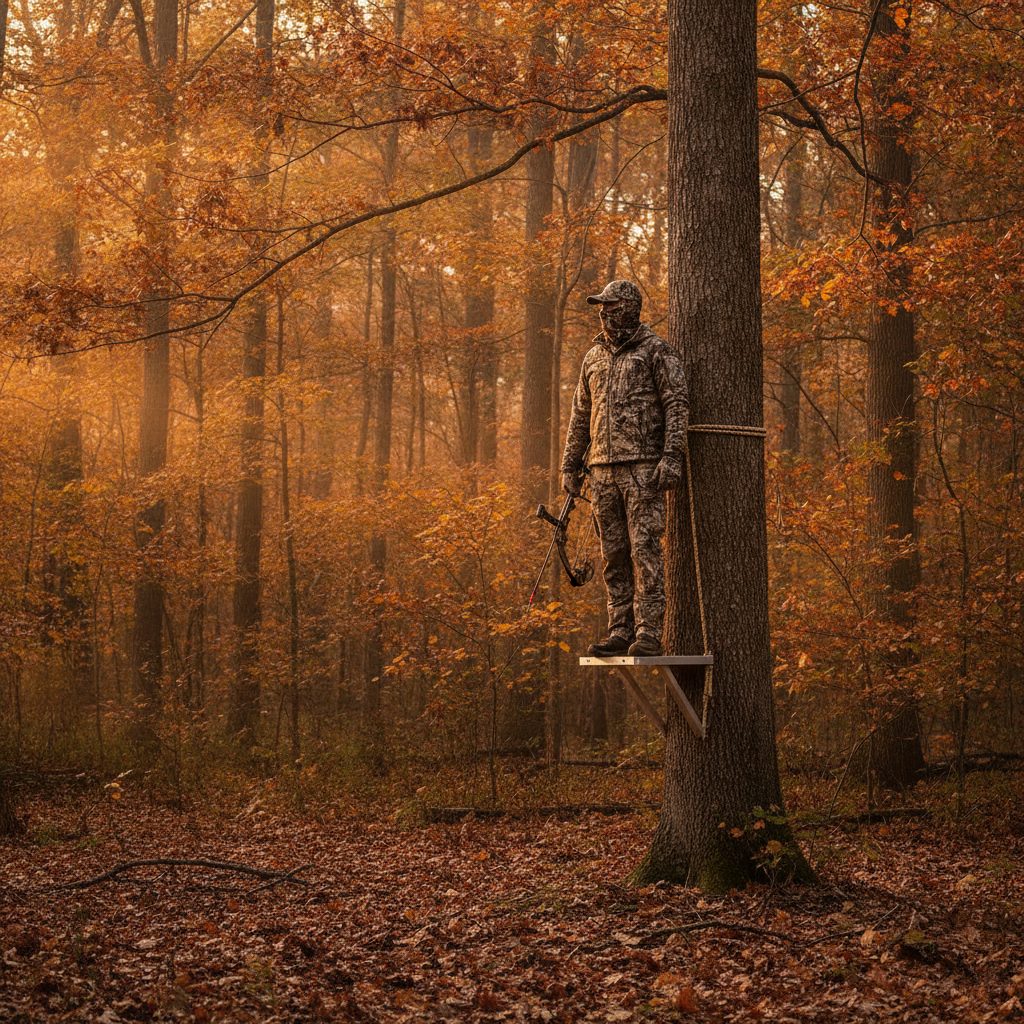
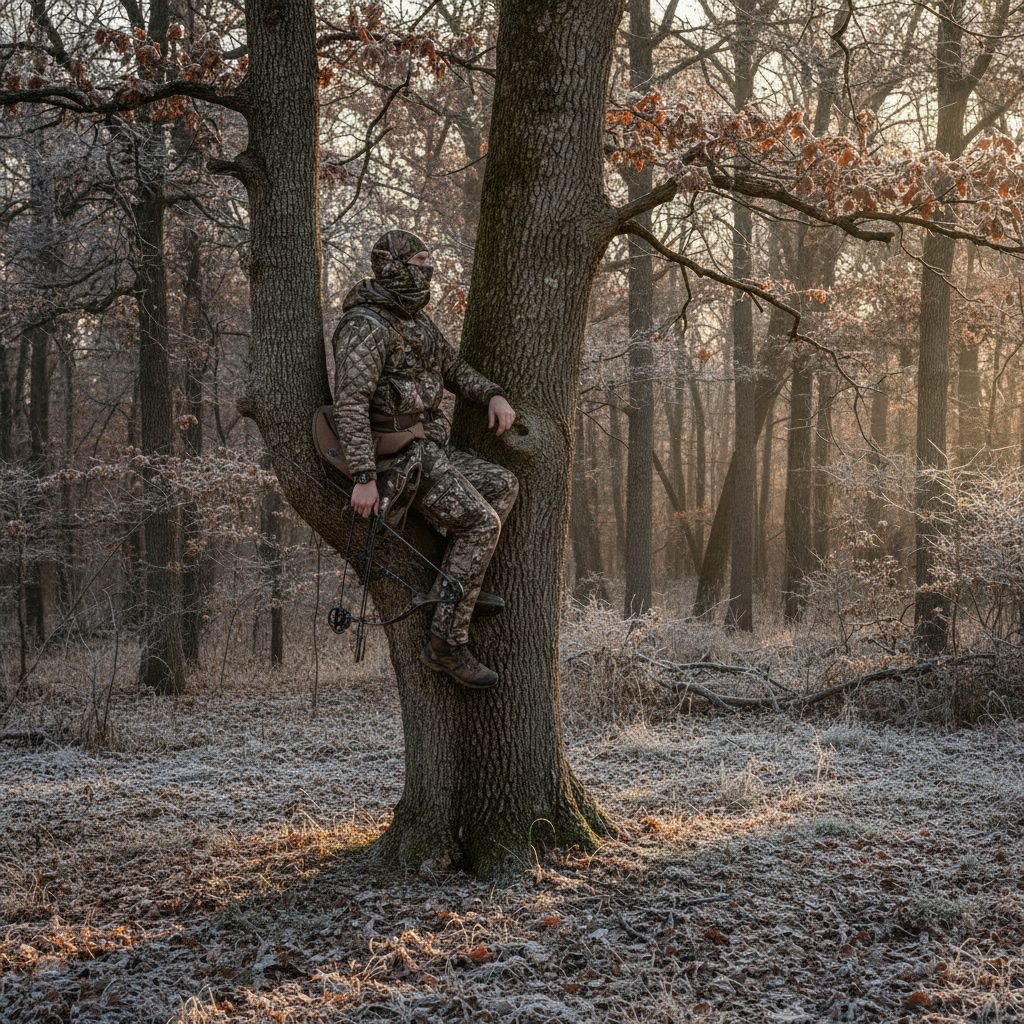
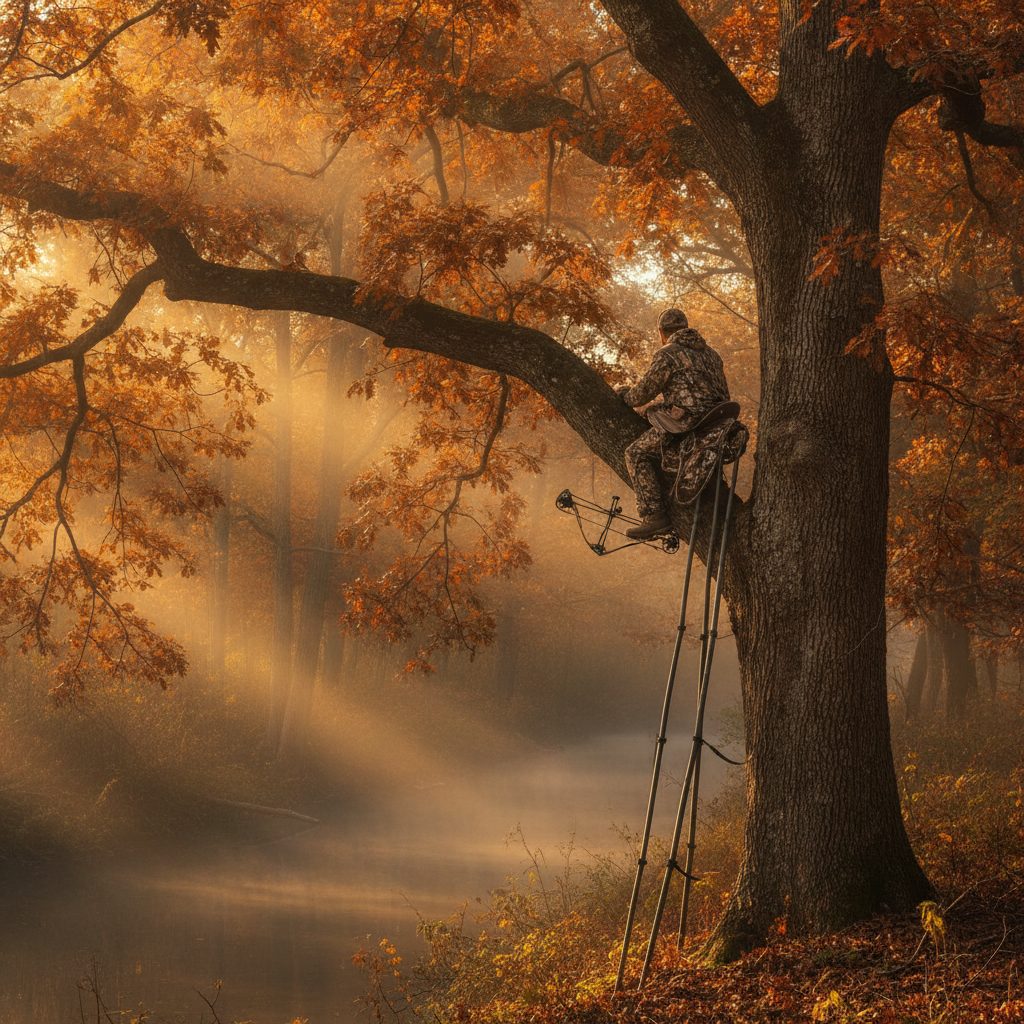
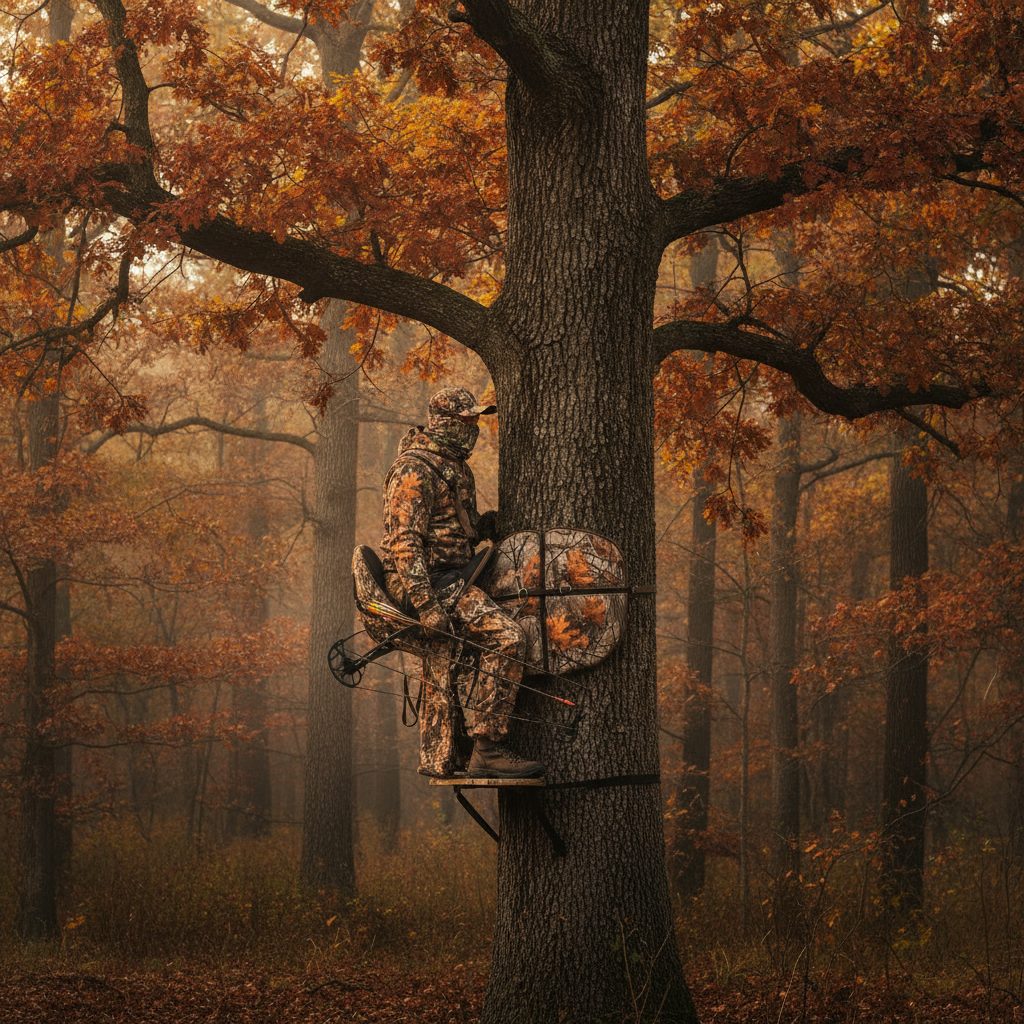
The result? A new proprietary fabric across the saddle lineup called NinjaMax. It's notably quieter against bark than the previous domestic materials — the kind of thing you notice when you're 25 feet up on a mature white oak with a shooter buck working a scrape 40 yards out. Less rustle when you shift your weight. Less noise period. Saddles undergo final assembly in Pennsylvania and have been third-party tested to ASTM safety standards at a facility in Georgia — so the safety rigor didn't move an inch.
The Price Drop and the Ronin
Here's the part the community noticed fast. The manufacturing shift allowed Timber Ninja to bring flagship prices down meaningfully — real money back in hunters' pockets on saddles that were already winning gear-of-the-year hardware from major outlets. For a brand targeting the hardcore mobile hunter who runs public land hard all October, that pricing accessibility matters. A lot of the guys sending it into big woods on foot are operating on a budget that makes every dollar count.
The other move worth watching is the Ronin, a new single-panel saddle Timber Ninja has been teasing as their no-compromise minimalist option. Single-panel saddles have seen renewed energy in the market as stripped-down one-stick setups and ultra-fast hang-and-hunt tactics keep gaining ground. A featherlight single-panel built on the same DNA as the Black Belt Ultimate — now in NinjaMax fabric — lands right in that conversation.
What This Means for the Mobile Hunting Market
Timber Ninja's 2025 arc is a useful lens for understanding where the saddle hunting industry is right now. The days when every serious player could manufacture premium textiles domestically at scale and competitive price points are getting harder to sustain. That doesn't mean "made in America" is dead in this space — far from it — but it does mean brands are making increasingly sophisticated decisions about where each component is built and why.
What matters for hunters is this: the gear coming out of Timber Ninja right now is demonstrably better than what existed before Helene hit. Quieter fabric, lower entry price, same safety standards, and a new saddle model built for the run-and-gun crowd. That's a brand that took a knockout punch and came back with a sharper jab. Worth paying attention to as the rut closes in.