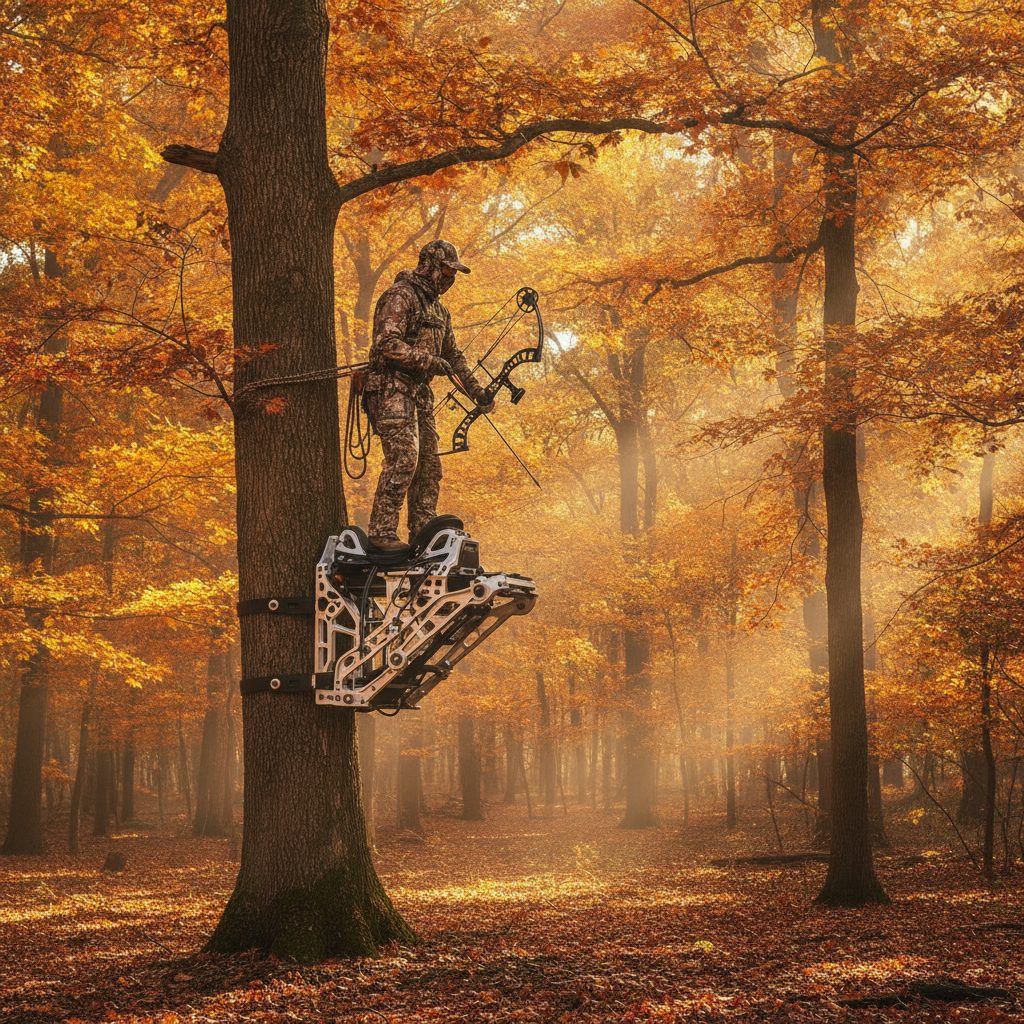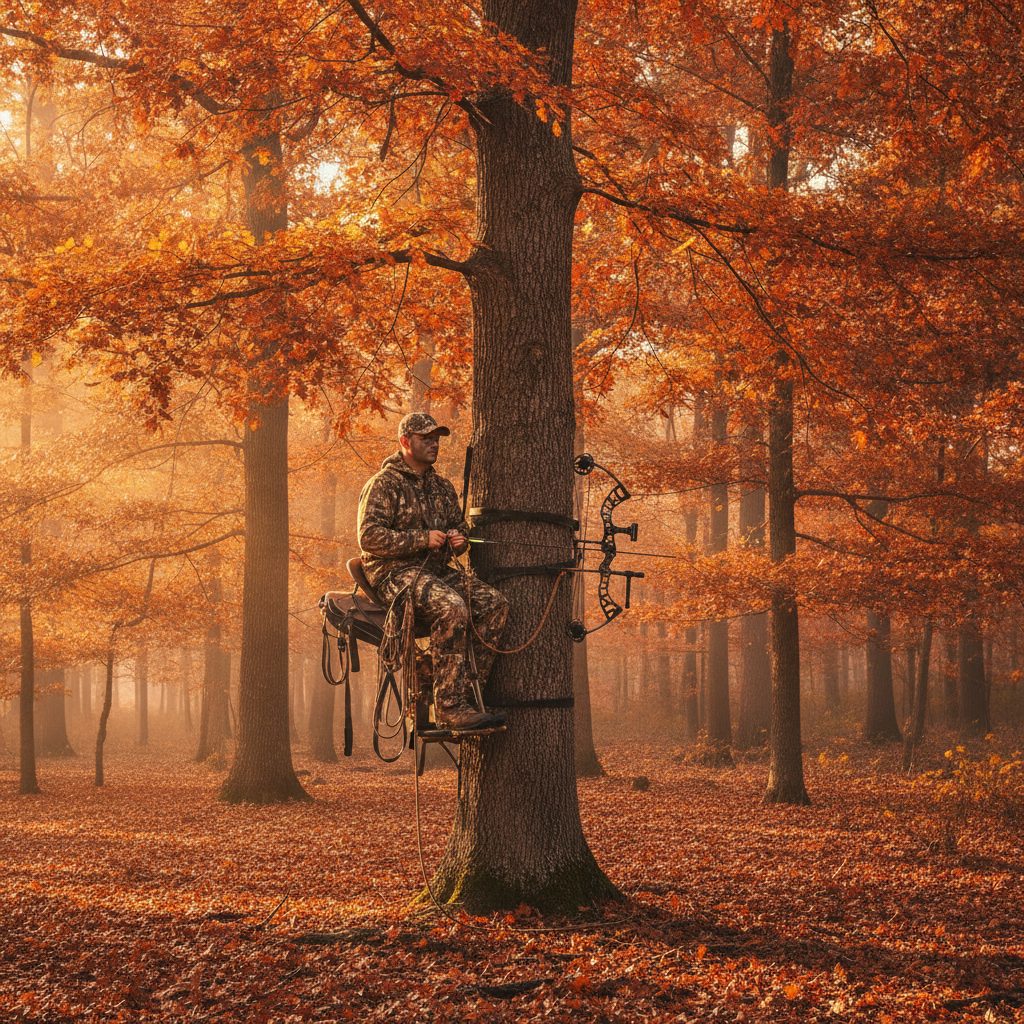
Trophyline Mile 2 & the 2026 Stick Split: What Saddle Hunters Actually Need
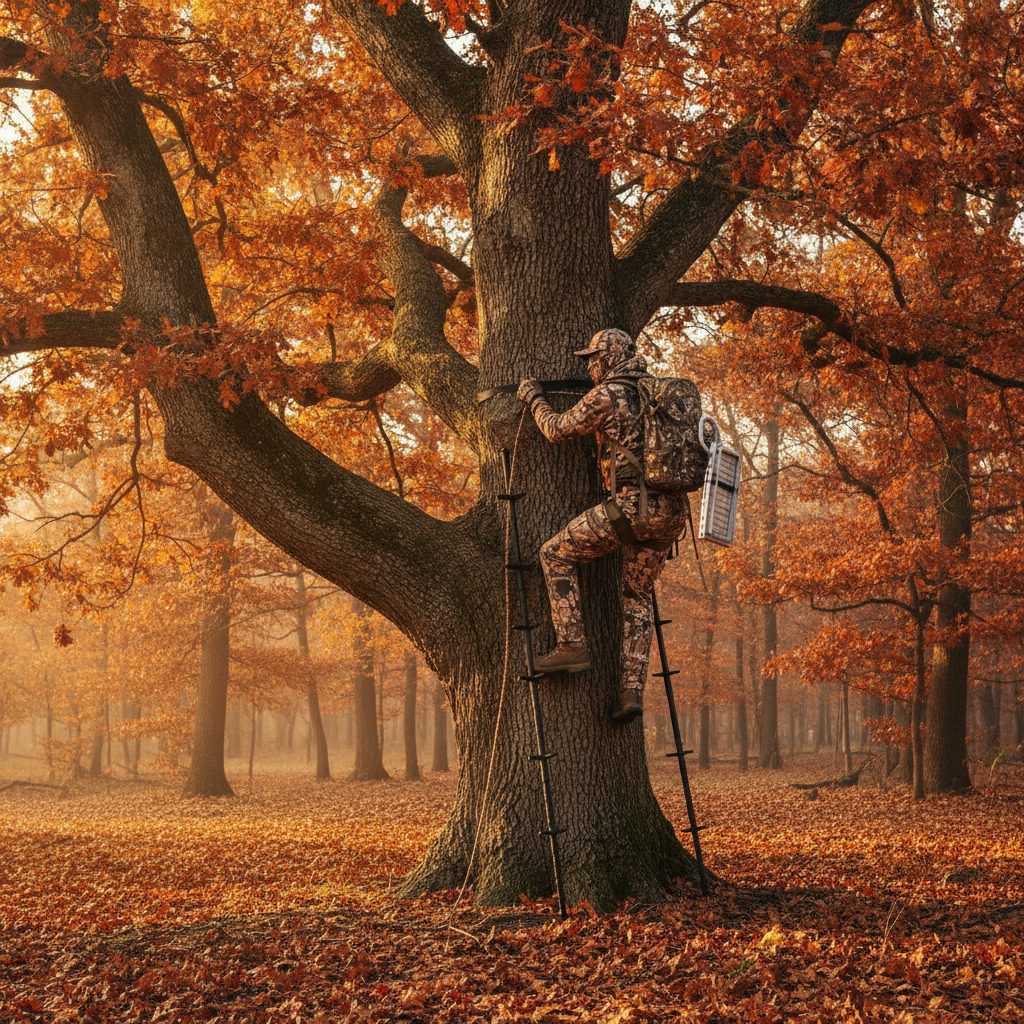
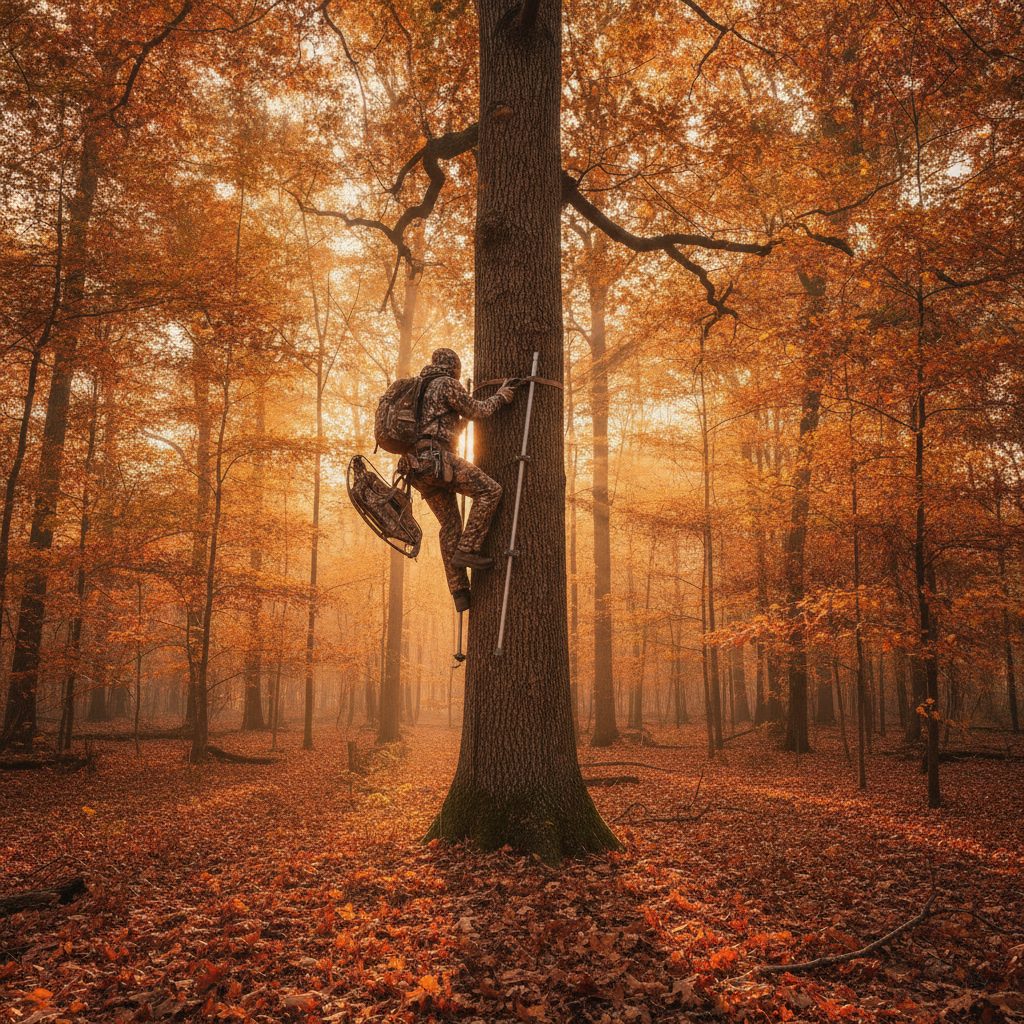
Right now, walking into the 2026 season, saddle hunters face a legit crossroads at the climbing stick rack. One path goes ultralight-at-all-costs — shave every gram, pay a premium, and get up the tree fast. The other path says: slow down, maybe give up a few ounces, and get a stick that actually fits how most real-world hunters move through the woods. The Trophyline Mile 2 plants its flag firmly in the second camp. And honestly? For a lot of hunters, that's exactly the right call.
What Changed on the Mile 2
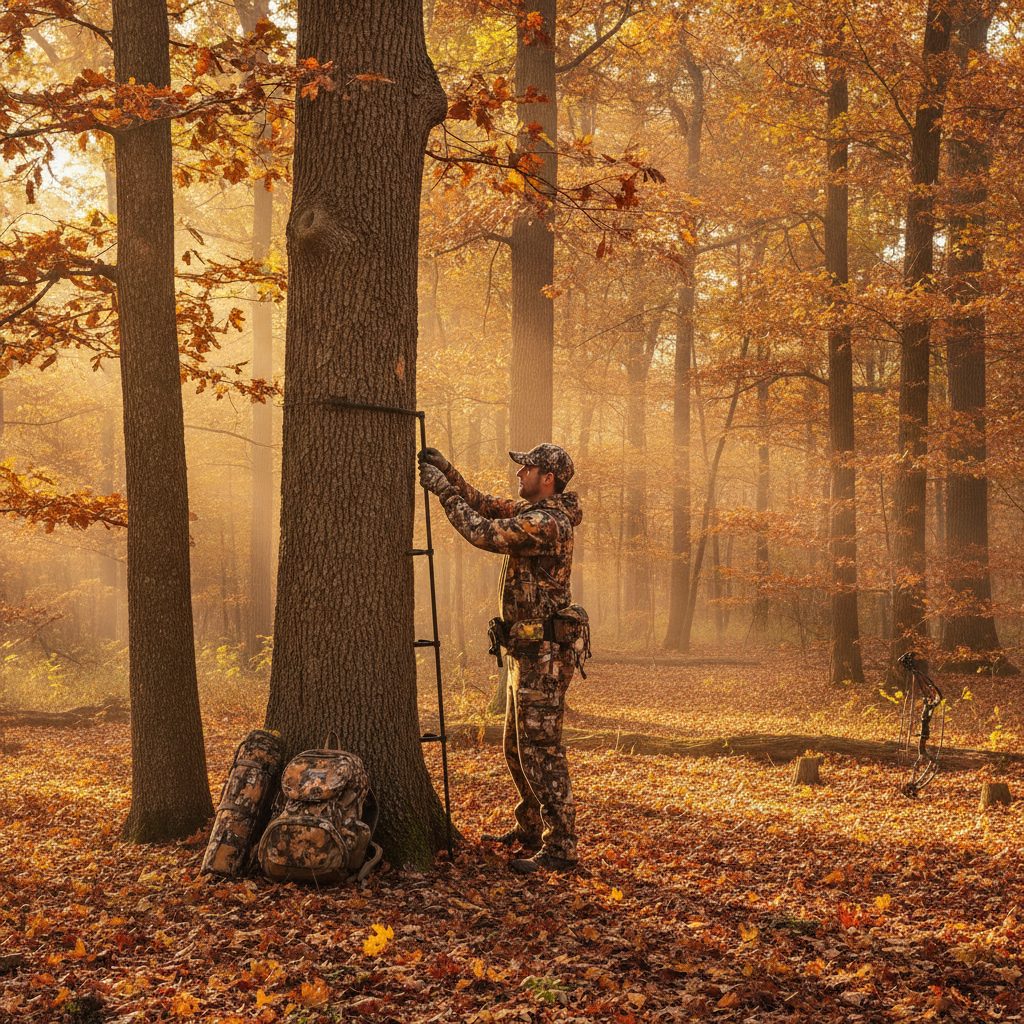
Trophyline didn't blow anything up with the Mile 2. This is a refinement play, not a redesign. They took their well-liked Journey stick series and addressed two of the most consistent complaints from mobile hunters in real conditions. First, they widened the step footprint to a full 9.75 inches — noticeably roomier underfoot, especially when you're wearing late-season insulated boots that would otherwise have you balancing on a knife edge. Second, they deepened the standoff bracket, which pulls the step further away from the tree trunk and gives your foot actual clearance. That combo sounds minor until you're 20 feet up on a frigid November morning in pac boots. Then it matters a lot.
Nobody reinvented the wheel here, and they didn't need to. The Journey lineage was already proven. These tweaks make an already solid stick more forgiving — the kind of small-but-meaningful update that comes from actually listening to hunters who log serious time on the sticks each fall.
The Other Side of the Aisle: CarbonLITE
On the opposite end of the 2026 spectrum, some brands are pushing hard into premium ultralight territory. One notable new entry this season features a carbon-forward construction, a 17-inch step-to-step distance for a long, efficient climb, and a genuinely clever touch: small recessed reflectors built into each step to help you navigate on the way down after a late sit — no glint, no security risk if you leave a set overnight. That's the kind of detail that makes you nod and say, yeah, someone who actually hunts designed that. The price reflects the premium build, but for the weight-obsessed run-and-gun crowd, that's the deal.
What's interesting is that both approaches are finding buyers. The 2026 climbing stick market isn't consolidating around one winner — it's splitting. Ultralight devotees are going one direction, and hunters who want a bomber, comfortable, versatile stick without a carbon-fiber price tag are going another. That's healthy for the sport.
Don't Sleep on the Semi-Permanent Option
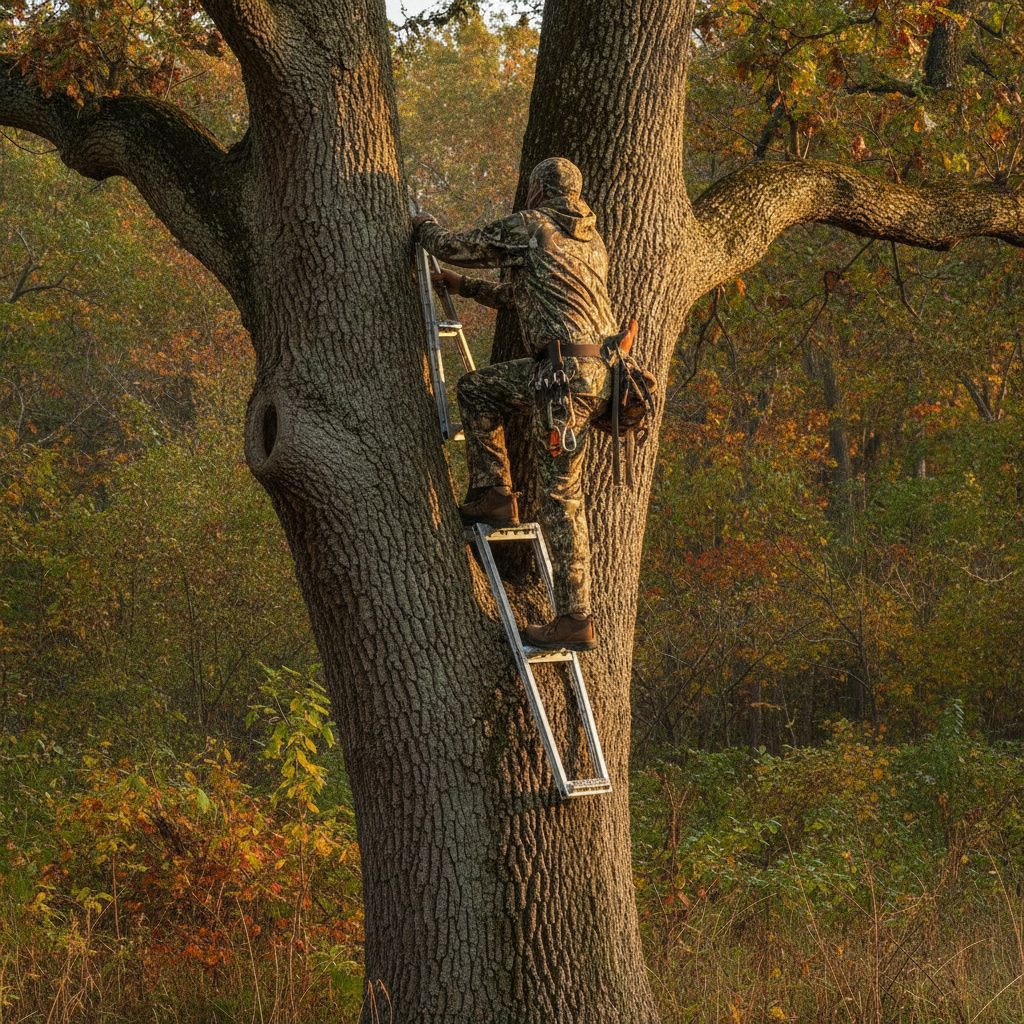
Here's a wrinkle worth discussing: not every tree you hunt needs to be a mobile setup. If you've got two or three spots on your own ground that you return to season after season, burning a set of high-end mobile sticks on them is overkill. The Trophyline Hangtime Ladder is purpose-built for exactly this scenario — a system that cinches rock-solid to the trunk, supports serious weight, and lets you walk in, clip your tether, and hunt without burning through your mobile kit. You can hang a saddle platform to the side for standing room, or use the ladder's own built-in surface. It's a cost-effective solution for those less mobile, locked-in locations that every serious whitetail hunter maintains alongside their run-and-gun sets.
Think of it this way: mobile sticks belong where you're moving. Permanent access belongs where you're not. Matching the tool to the situation is half the battle.
How to Actually Choose
Here's the honest breakdown for fall 2026:
- Pack miles and burn multiple trees per trip? Go ultralight, pay for it, and don't look back.
- Hunting Midwest timber with varied boot choices across the season? The wider step and deeper standoff of something like the Mile 2 will pay dividends by November.
- Have consistent spots on your own property? A semi-permanent solution saves wear on your mobile kit and makes those setups faster on game-day mornings.
- New to saddle hunting and building your first system? Start with a mid-range proven stick, learn your preferences, then upgrade with intention.
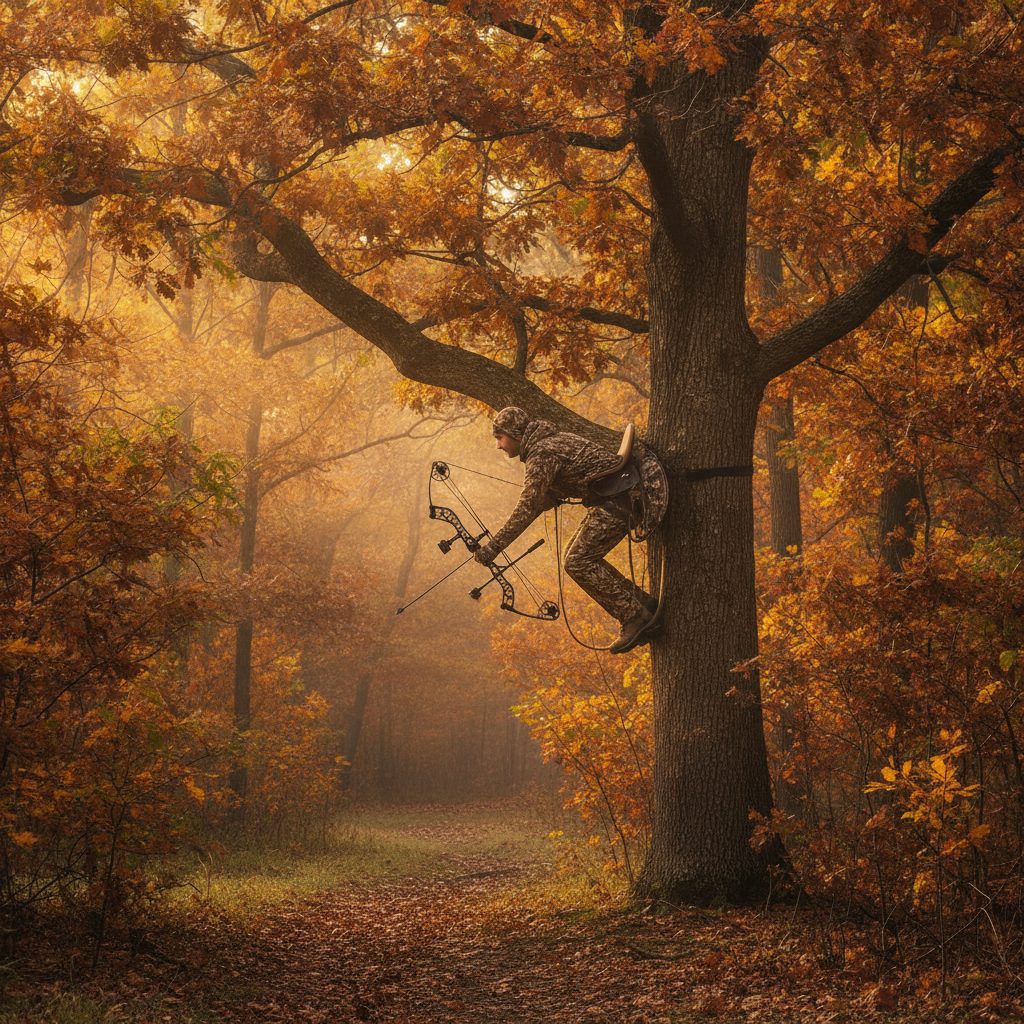
The best stick isn't the lightest one or the most expensive one. It's the one that matches your hunting style, your terrain, and what you're wearing on your feet when it counts. Get that right before you chase specs. The 2026 market gives you enough real options to do exactly that — send it smart, not just light.