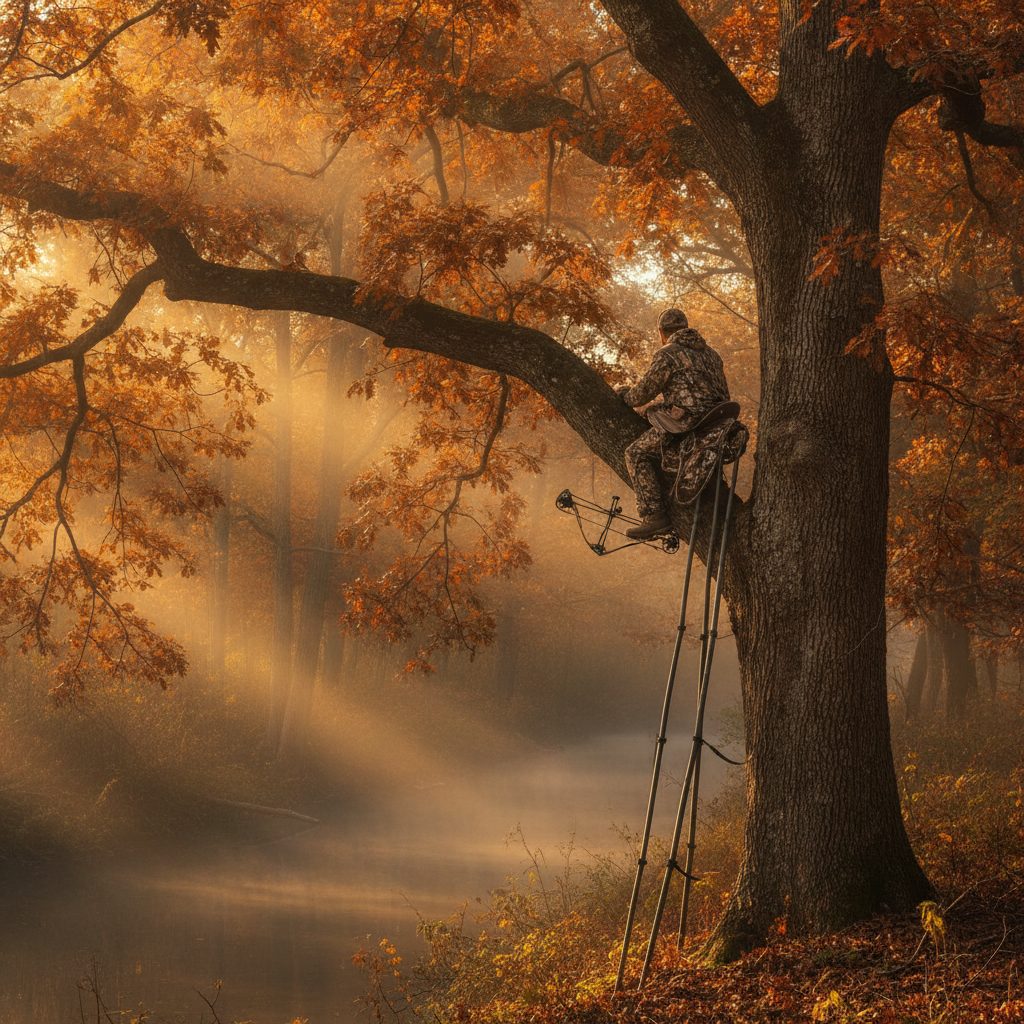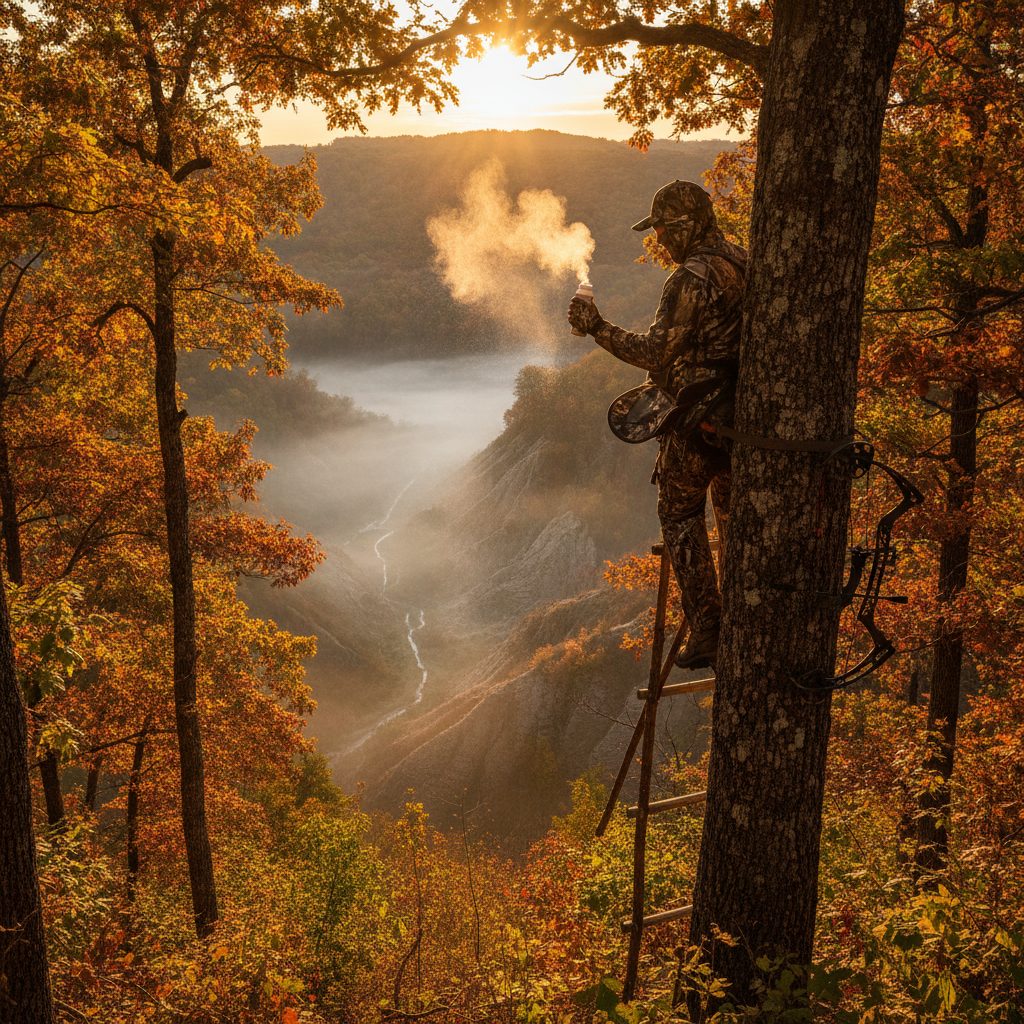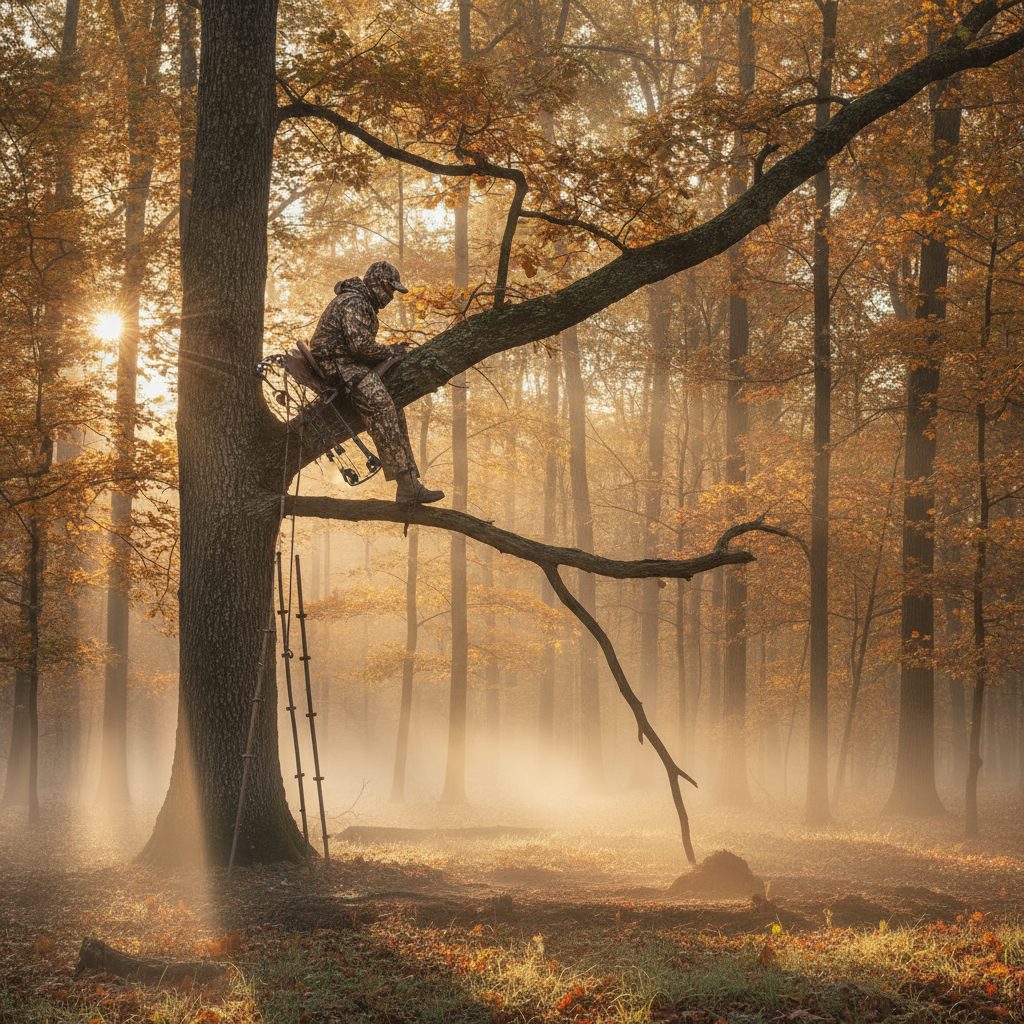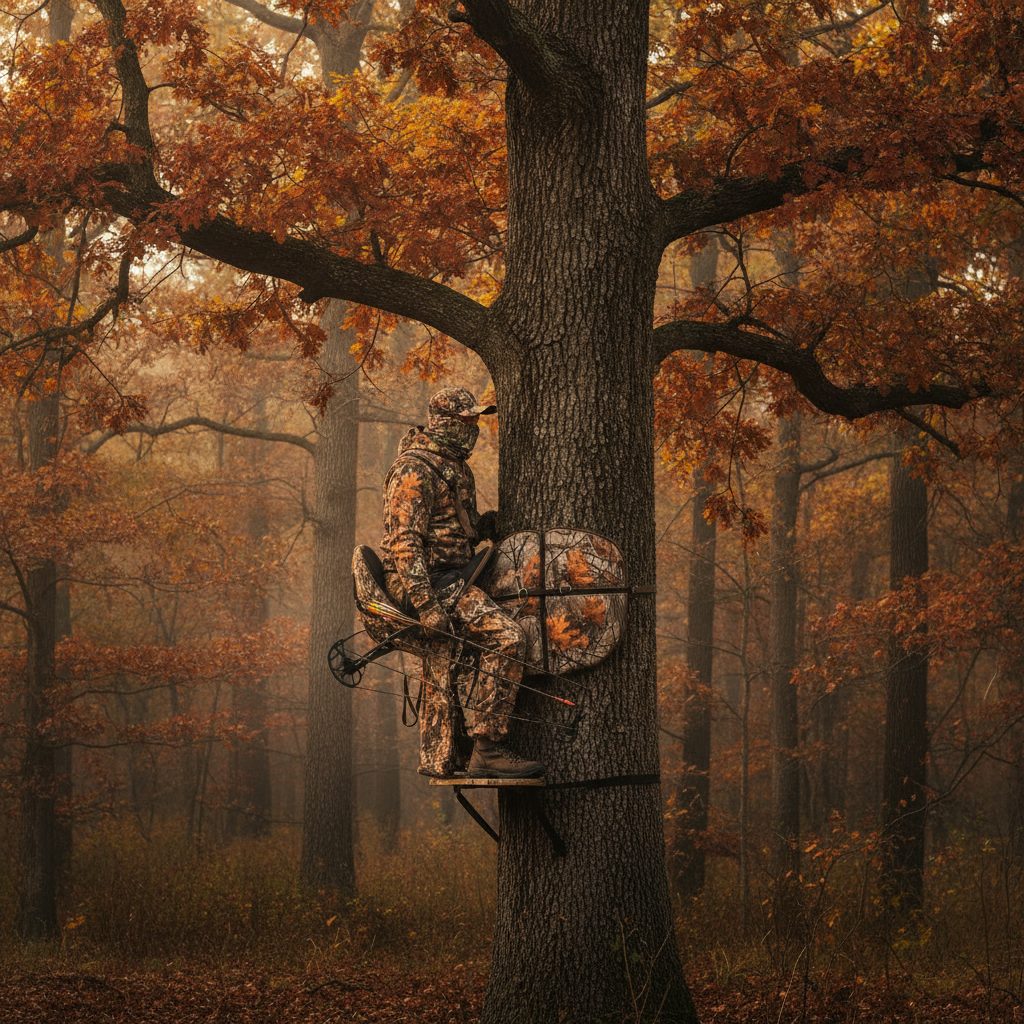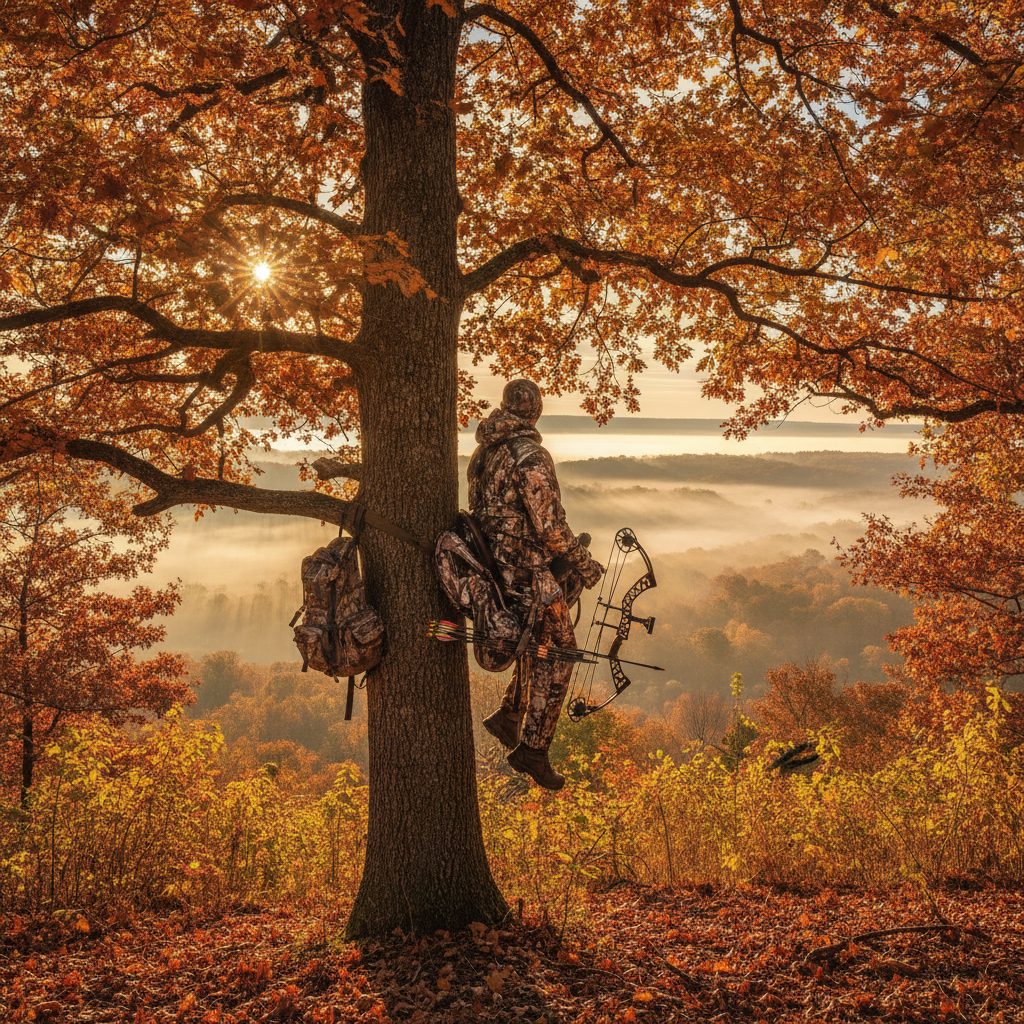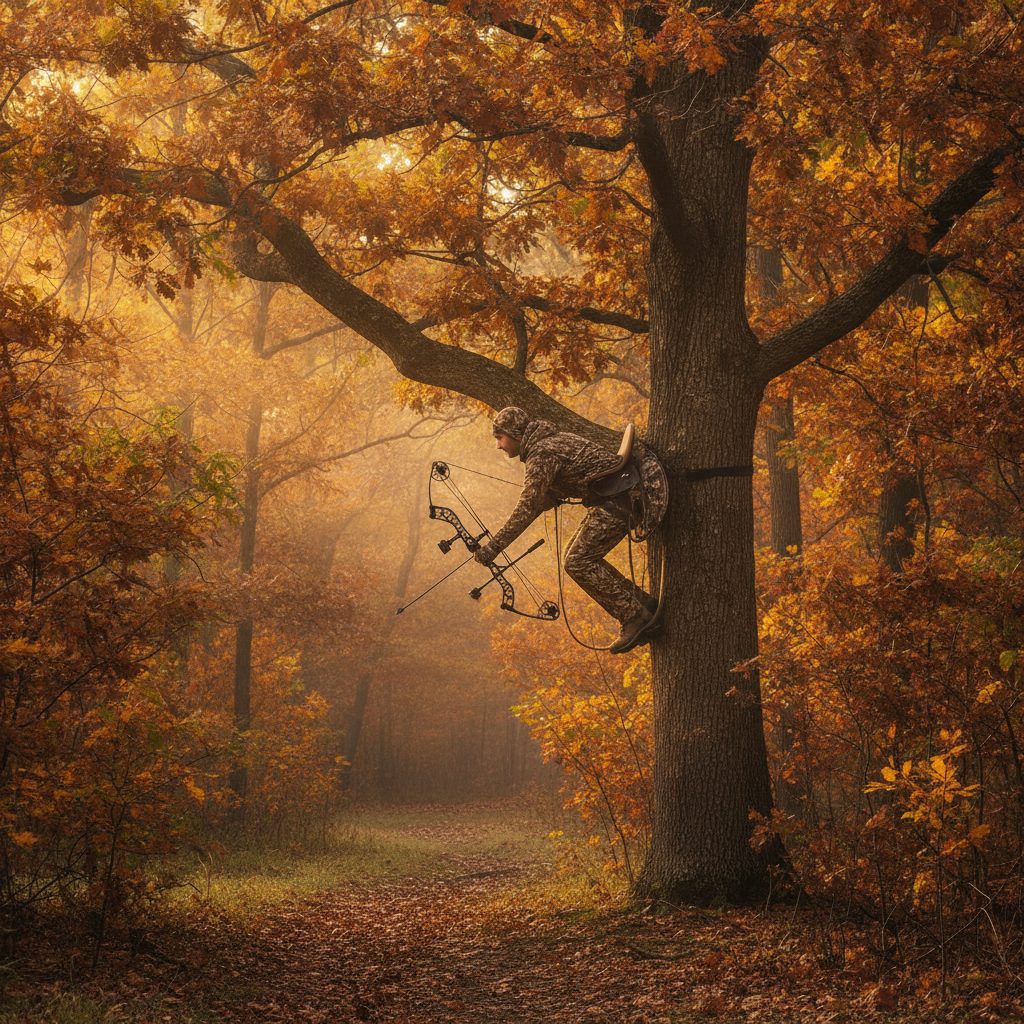
Chase the Acorn Drop: A Saddle Hunter's Week-One Game Plan
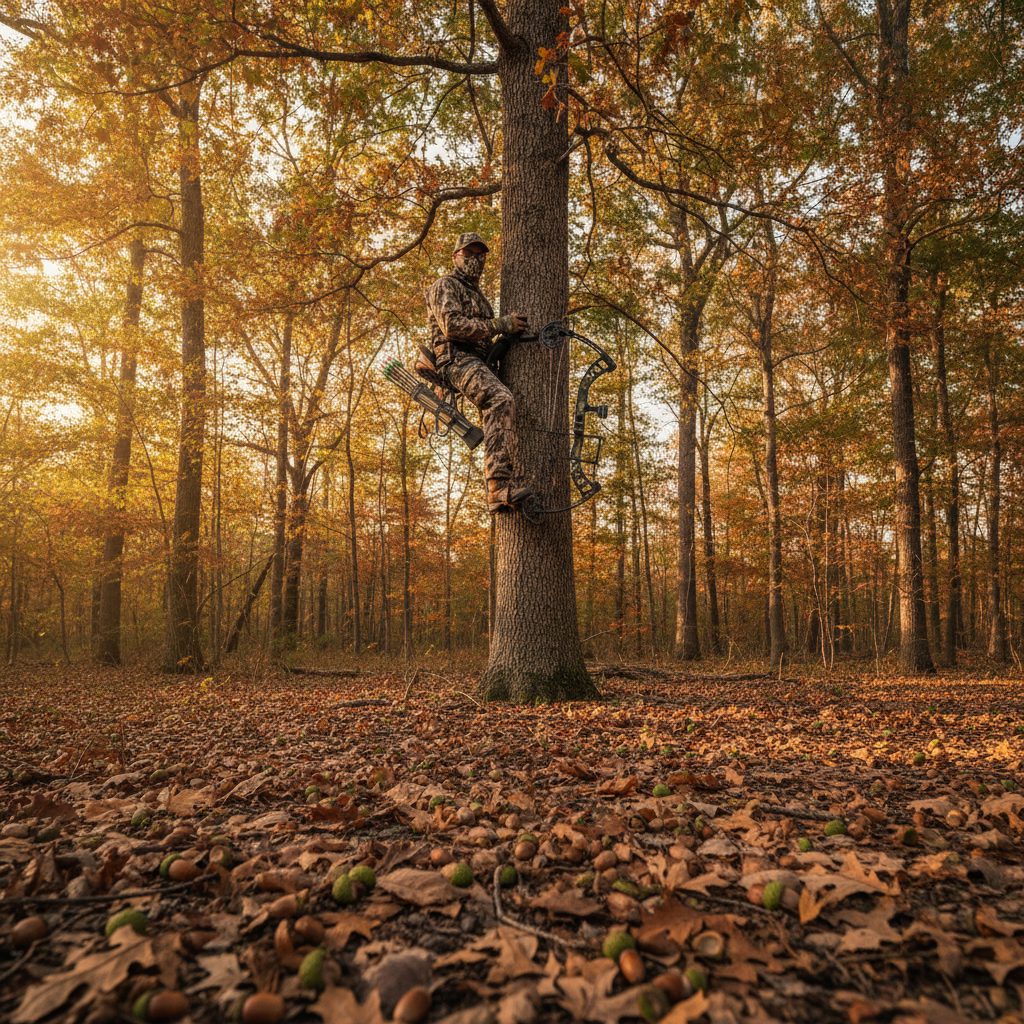
Most guys pick a stand, hang it in July, and hope the woods cooperate. Mobile saddle hunters don't have to play that game. Right now — mid-September, when the white oaks start dumping — is exactly the window where a run-and-gun setup pays its biggest dividend. You can be in the right tree, on the right acorns, with the right wind, every single sit. That's the whole edge. Don't waste it.
Why the Acorn Drop Is a Mobile Hunter's Best Friend
White oak acorns are the closest thing whitetails have to a cheat code. Deer will abandon crop fields, food plots, and every other food source the moment those things start hitting the ground. The problem? The drop is never uniform. One ridge can be raining acorns while the flat a quarter-mile away hasn't cracked a cap yet. A fixed stand can't solve that. Your saddle rig can.
The play is simple in concept, demanding in execution. Walk your ground every two or three days with your eyes and nose pointed up. Look for fresh litter under the canopy — green caps, split husks, fresh black craters in the leaf duff where deer have been rooting. Find the tree that's actively dropping, not the one that dropped last week. Set up within bow range of that tree, downwind, and be there by the time evening thermals start falling. One sit, maybe two. If the sign goes cold, pull your sticks and move. That's it. That's the whole system.
Reading Thermals Before You Climb
Here's where saddle hunters who understand air movement gain a serious leg up on hunters who are just winging it on wind direction. Thermals are vertical air movement driven by temperature — completely separate from the prevailing wind you checked on your weather app. As the sun heats the ground through the morning, air warms and rises. Come late afternoon into evening, it cools and sinks. On calm early-season evenings, that sinking air can carry your scent straight down a ridge and into the nose of every deer below you.
The counter-move: don't set up at the top of the funnel on evening sits. Work the sides of ridges and benches where the falling air flows across your position rather than straight downhill through the deer. A saddle hunter climbing to 20 feet in a mid-slope white oak has far more flexibility to play this than someone locked into a hang-on at the ridge top. You can pick the exact tree that gives you the angle. Use that freedom.
Morning thermals work in reverse — rising air means hilltop and upper-slope observation sits are lower risk early in the day. Use those morning windows to watch, log entry routes, and confirm what you saw on camera. Save your best downwind setups for evenings when the pattern gets patternable.
The Gear Has Never Been Better for This Kind of Hunting
The 2026 market handed mobile hunters a ridiculous amount of capable gear. Whether you're running a full carbon stick system, a mid-weight aluminum setup, or somewhere in between, the newest saddles are genuinely addressing the comfort gap that used to make all-evening sits a grind. Expanded panels, micro-tune bridge adjustments, breathable materials — there's a system out there for every body type and hunting style. Get it fitted right before you're 18 feet up a white oak on a 75-degree evening. Saddle comfort under warm-weather, long-sit conditions is still the variable that ends hunts early.
Keep your kit trimmed down for this early-season grind. You're going to be moving — potentially every day or two as the drop shifts. A light pack matters. Sticks that set up quietly and fast matter more. If your setup takes 12 minutes and sounds like a box of silverware hitting the floor, you're burning the very opportunity that mobile hunting is supposed to create.
Pressure Is the Silent Season-Killer
Early-season bucks are on predictable patterns right now. They haven't been spooked, they haven't gone nocturnal, and they're moving to food in daylight. That pattern is fragile. One bad entry, one swirling thermal at the wrong moment, one careless exit with deer on their feet — and a buck that was killable at 4:30 p.m. starts showing up at 9:00 p.m. on your camera instead.
The mobile approach is a pressure-management tool as much as it is a positioning tool. Don't hunt the same tree twice in a row unless the conditions are a perfect repeat — and they never are. Pull out clean. Let the sign tell you where to go next. If you bump a deer on the walk in, don't climb. Come back tomorrow with a different approach. Protect the pattern while it's still there.
- Scout every 2–3 days for active acorn sign — fresh litter and rooted-up leaf duff are your tells.
- Hunt evenings on mid-slope trees where falling thermals flow across, not straight through, your position.
- Use mornings as observation sits on upper-slope trees to log movement without burning your best setups.
- Move if sign goes cold — your climbing sticks come back down just as easily as they go up.
- Exit silently and downwind of where deer will stage after dark, every single time.
Opening week is a gift. The woods are quiet, deer are dumb by November standards, and a mobile hunter with a dialed-in saddle rig and a sharp eye for fresh acorn sign has every advantage in the world. Send it.