Pick the Right Tree Every Time: Thermals and the Mobile Saddle Advantage
You've got the lightest sticks on the market. Your saddle is dialed-in, your pack is trimmed to the ounce. You can be up a tree in four minutes flat. None of that matters if you hang your set in the wrong spot and let a mature buck wind you from the bench below before he ever steps into range. Speed is the run-and-gun promise — but thermals decide whether that speed pays off.
Two Forces, One Nose
Most hunters check the wind on their phone, point a wet finger, and call it good. But there are actually two separate forces moving your scent at any given time: the prevailing wind and the thermal current. They do not always cooperate. The wind at your face can be blowing one direction while a thermal at ground level is sinking into a drainage and pulling scent the other way — straight toward a deer you never knew existed. That's not bad luck. That's physics working against a hunter who only tracked one variable.
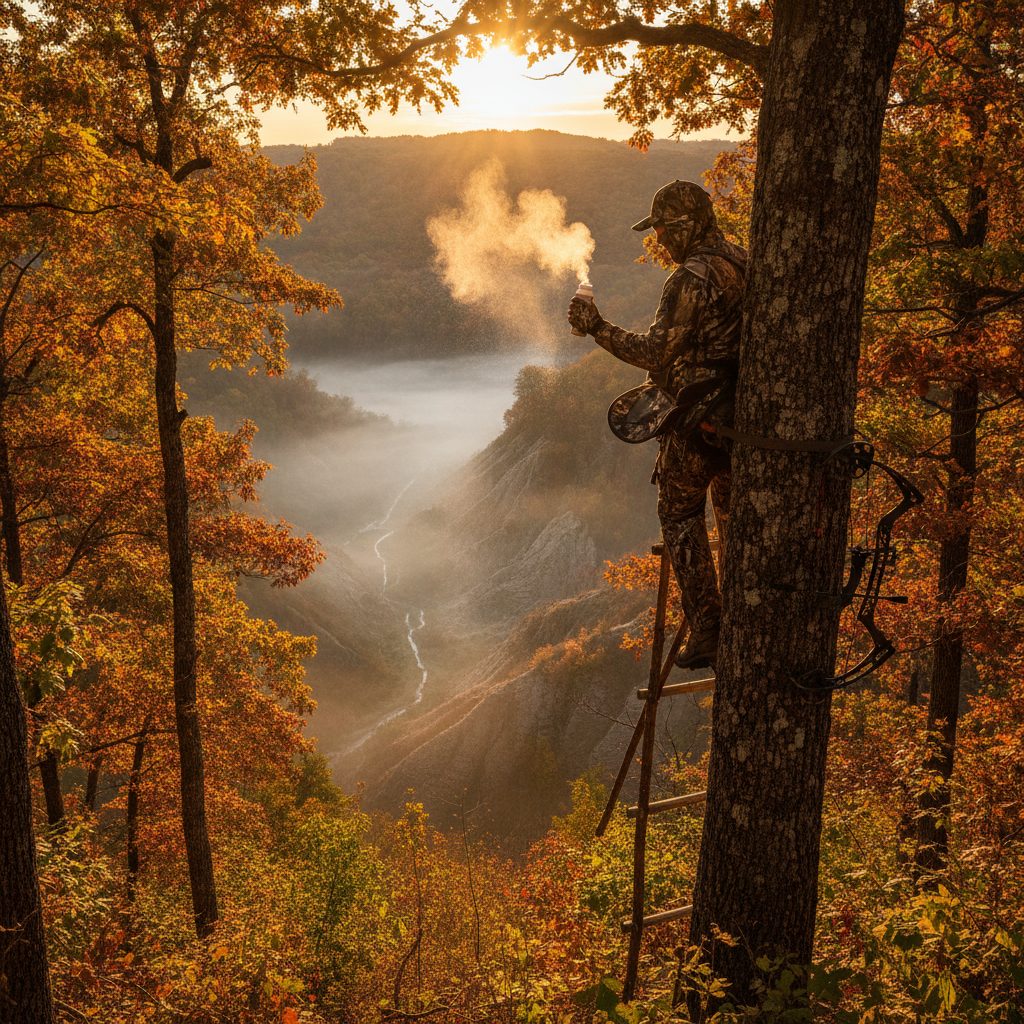
Here's the simple version. Morning thermals rise. As the sun heats the ground, air warms and lifts — carrying scent up slopes and out of valleys toward the ridgeline. Evening thermals fall. As temperatures drop after sunset, air cools, grows dense, and sinks — pulling scent downhill into drainages and low-lying bedding cover. A falling evening thermal can betray a stand that looks perfectly positioned on wind alone, dumping your scent right into a buck's bedroom while your wind indicator reads clean.
Why Saddle Hunters Have a Real Edge Here
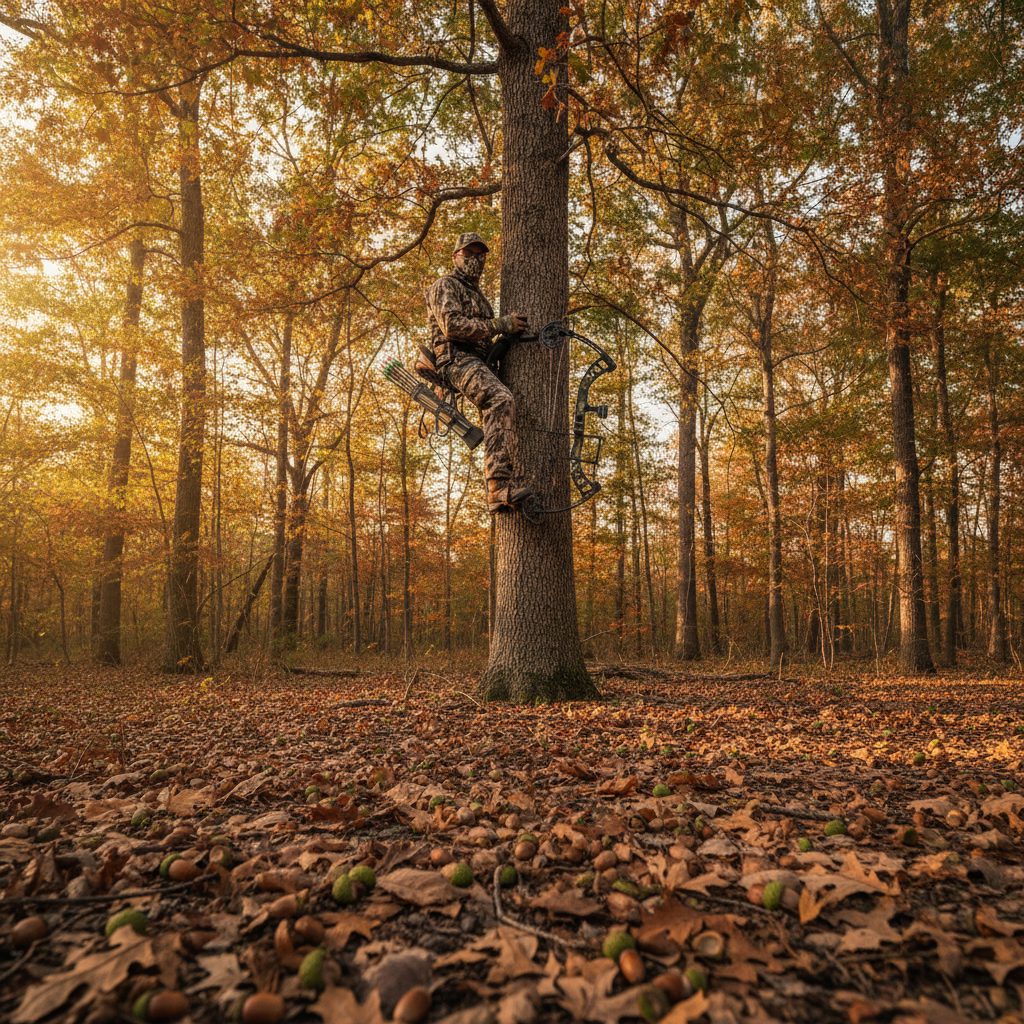
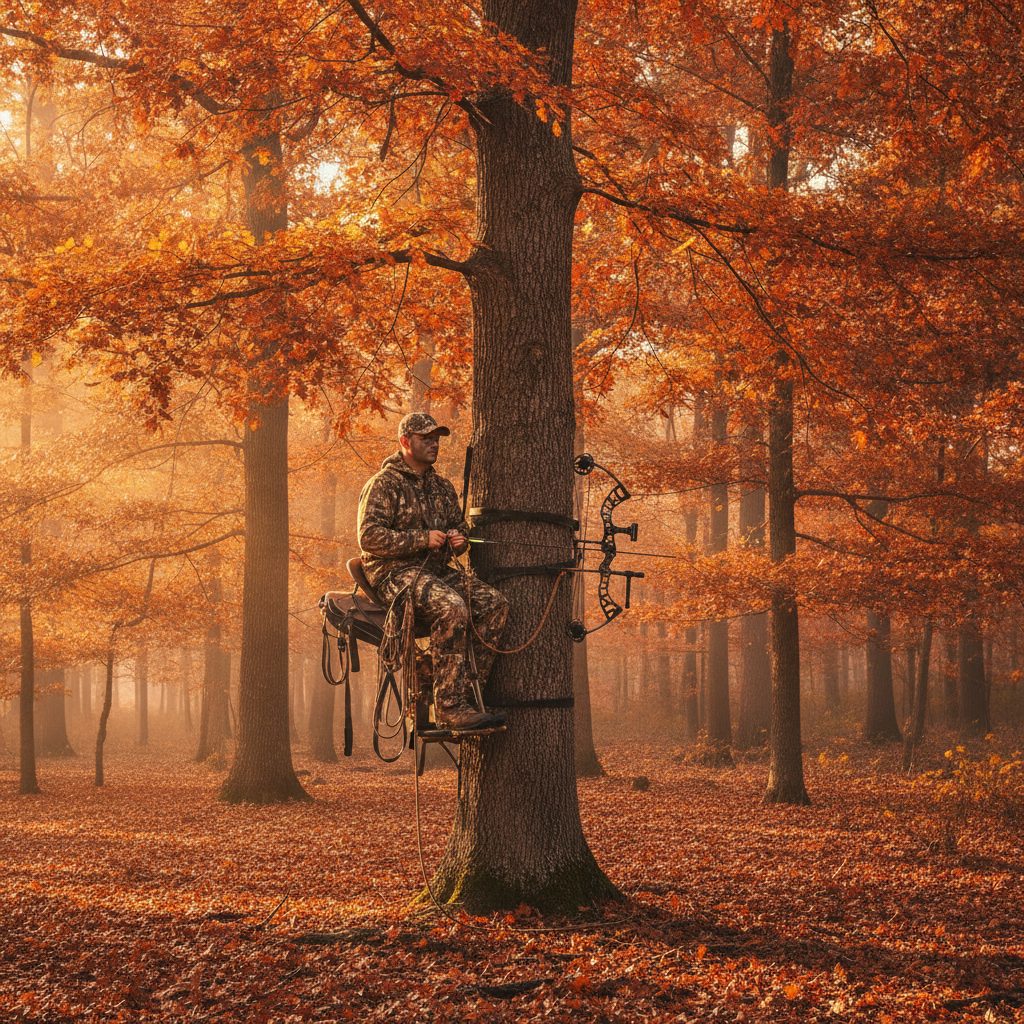
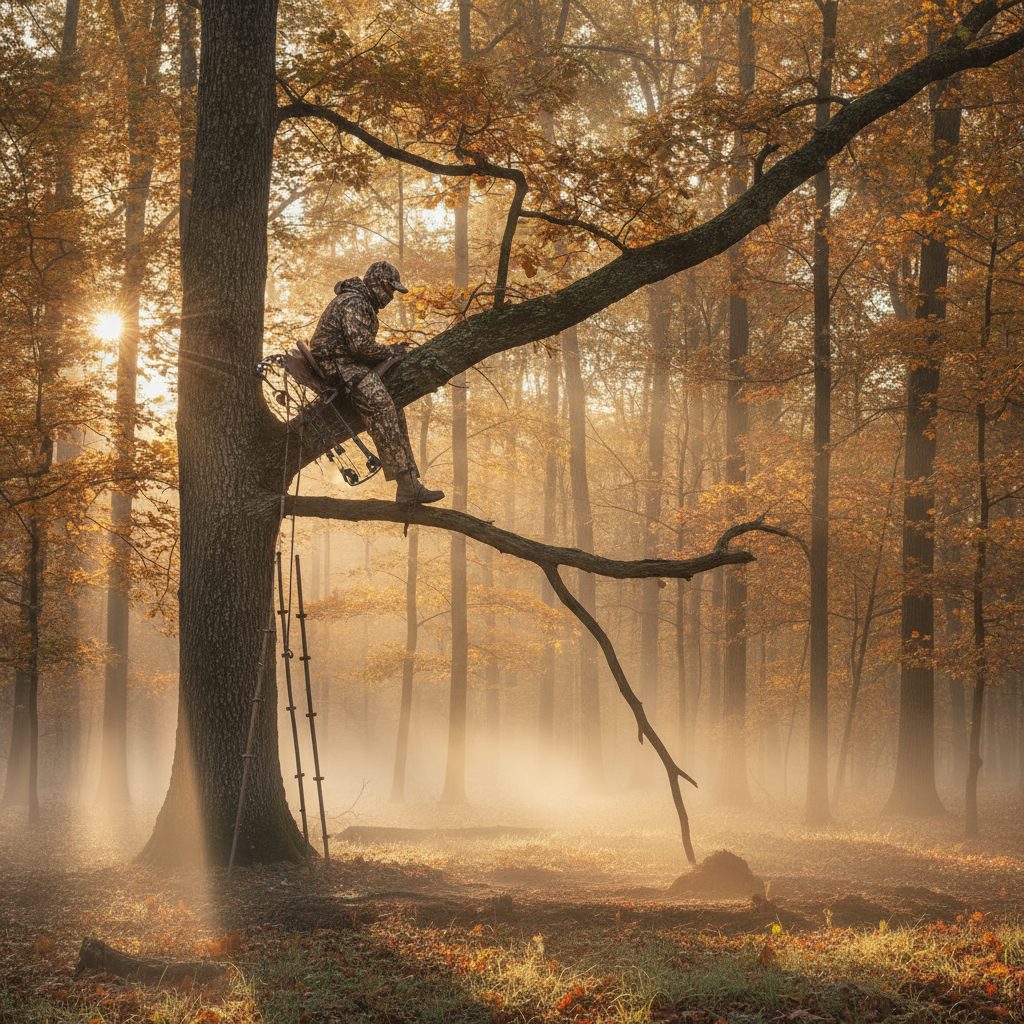
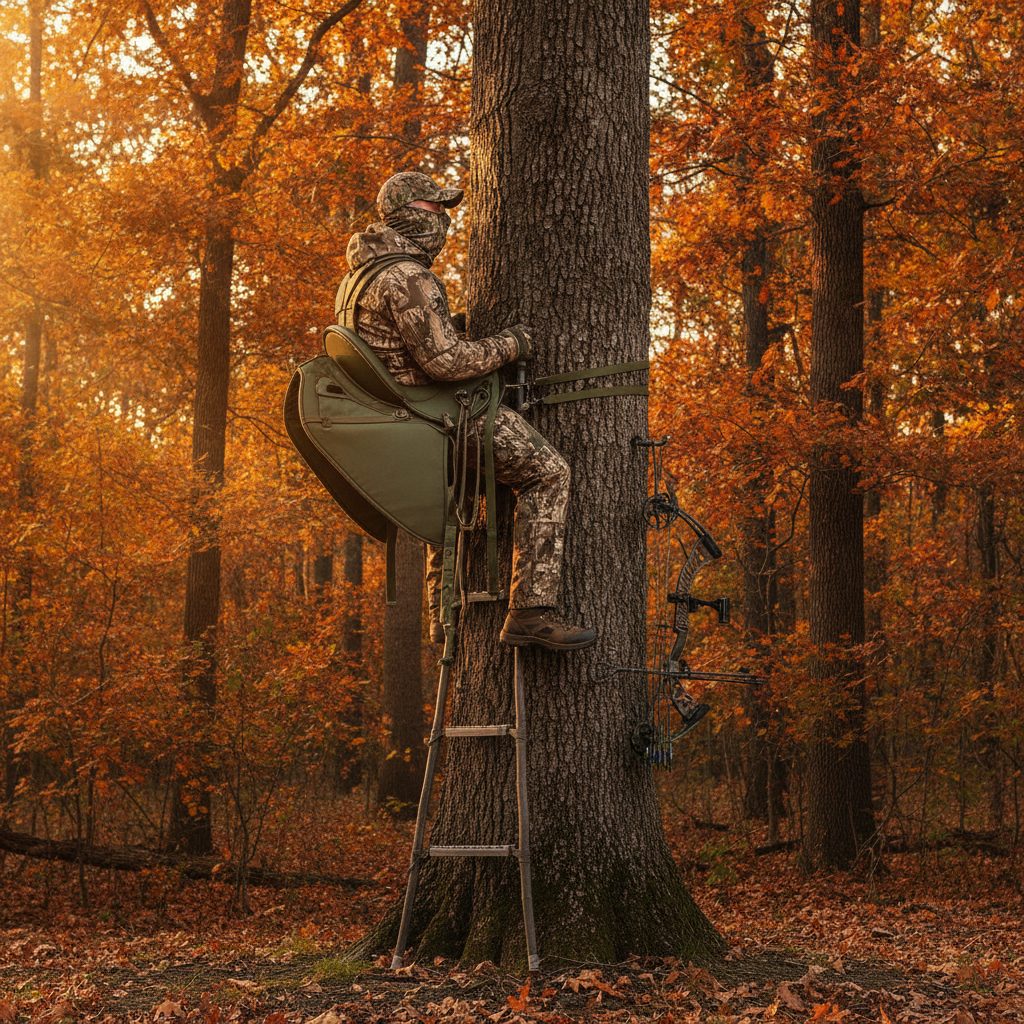
Traditional hang-on hunters are locked into whatever tree they pre-hung. Their thermal problem is baked in before the season starts. Mobile hunters aren't. That's the whole point. Every morning, you get to pick the tree that makes the thermal work for you rather than against you.
The practical rule is straightforward: set morning sits higher on the slope. Rising thermals lift your scent away from deer moving below — that bench position or mid-slope hardwood becomes a scent-control asset, not a liability. Set evening sits lower, but with a buffer. As thermals begin to fall, you want your scent sinking away from known travel routes, not pooling in the bottom of the funnel a buck is about to walk through. The saddle hunter's ability to pick a different tree on the way in — based on what the air is doing right now — is a legitimate advantage that no amount of scent-eliminating spray can replicate.
Ridges, Drainages, and Thermal Hubs
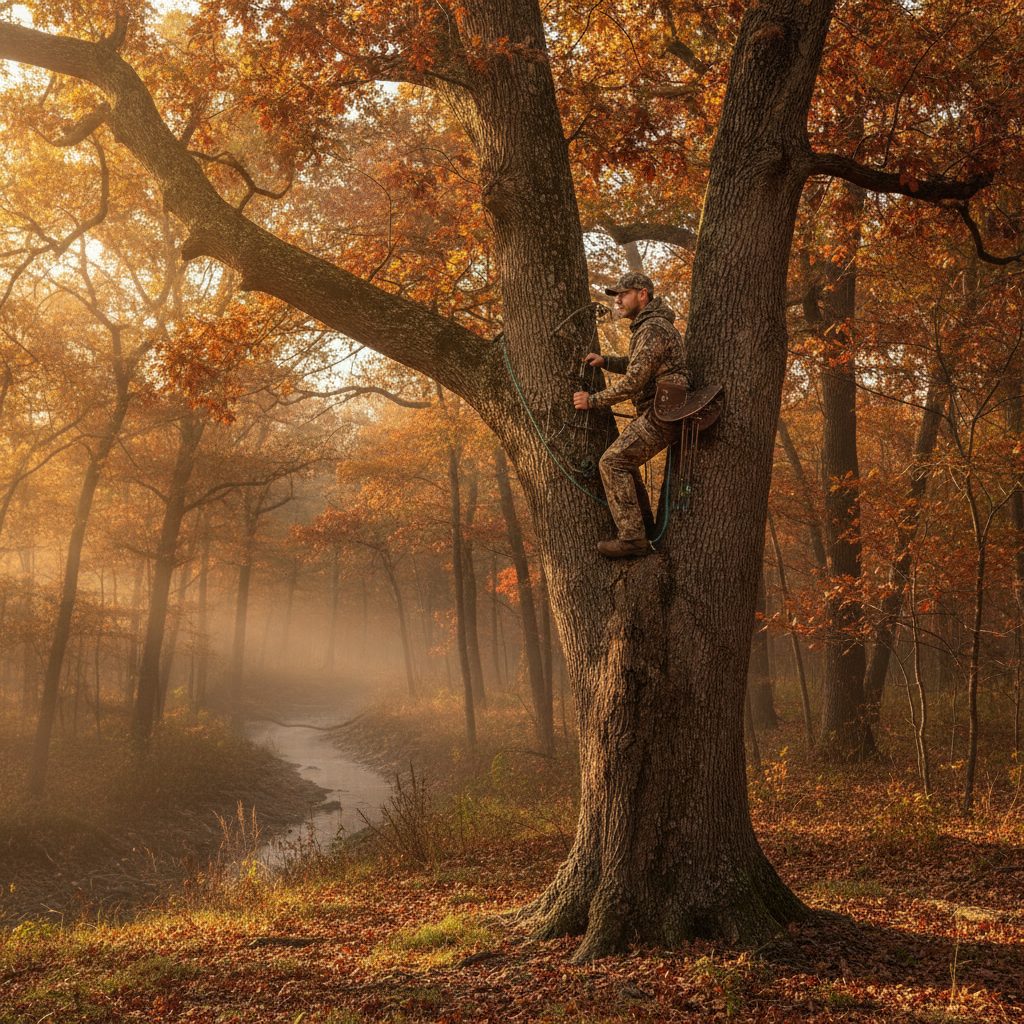
Topography shapes everything. Ridges channel thermal currents the same way they channel deer movement — they become highways for rising and falling air. Even subtle elevation changes can dramatically shift thermal behavior on a given morning. A drainage that looks like a boring travel corridor on a flat map might be a thermal funnel that collects scent from every slope above it by mid-morning.
Thermal hubs — spots where multiple ridges or valleys converge — are worth understanding specifically because the air there is unpredictable. Swirling, inconsistent currents can negate your best wind-play entirely. These areas produce deer, no question, but they demand patience. Hunt them only when prevailing winds are light and consistent, and be ready to climb out and relocate if the air goes sideways on you. A mobile setup makes that exit painless. A fixed hang-on makes it a season-ending decision.
Read the Air Before You Climb
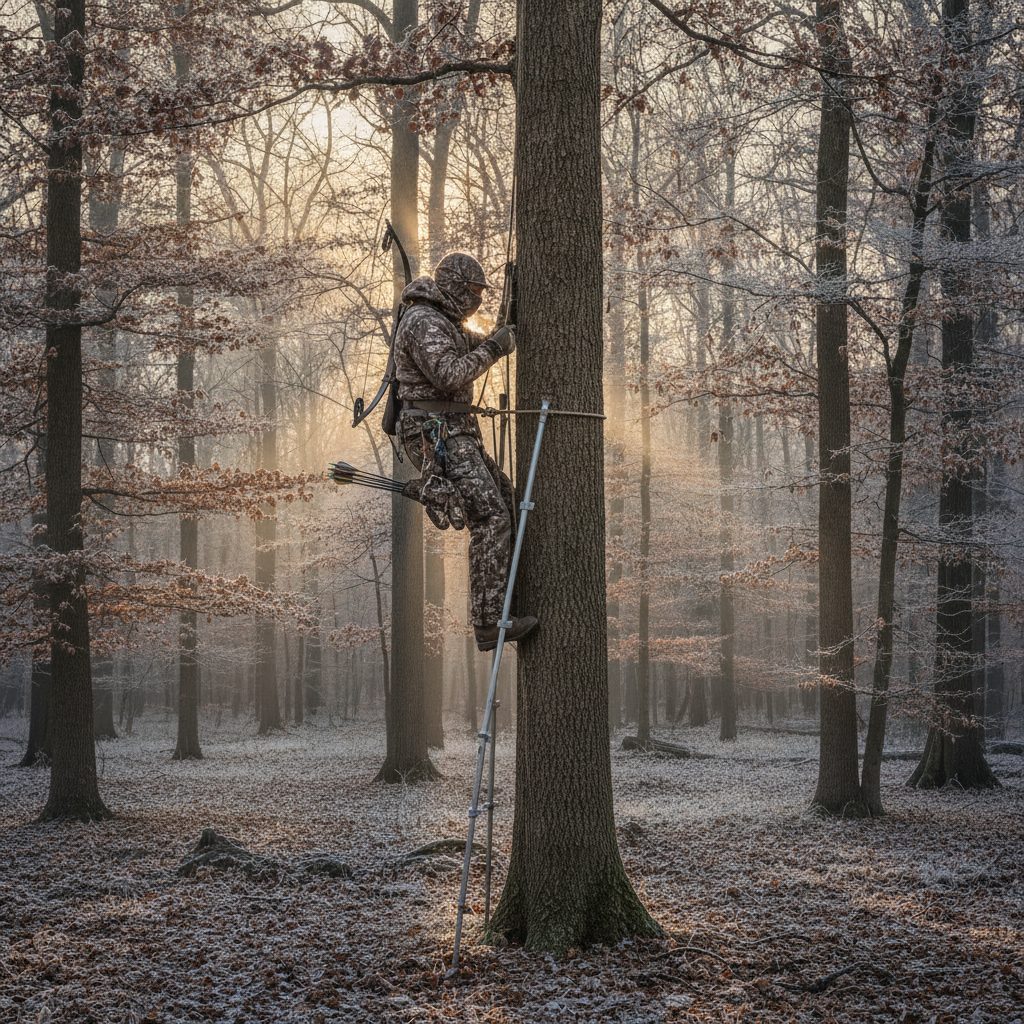
Get in the habit of checking thermals at the truck, not just the wind. A lightweight wind floater or a squeeze bottle of unscented powder tells you what the air at ground level is actually doing. Watch it for thirty seconds. If it's swirling or undecided, that changes your tree selection before you ever touch a climbing stick. Map your topo in your scouting app and mentally trace where that rising or falling air is going to carry your scent an hour from now — not just where it's going right now.
The discipline to pass on a sit, or relocate a hundred yards, when thermals are wrong is one of the clearest separators between hunters who consistently kill mature deer and hunters who are always one step behind. Mature bucks use thermals instinctively, particularly when scent-checking field edges before stepping out. They've been doing it their whole lives. The mobile saddle hunter's job is to stay one thermal ahead of them.
The Bottom Line
Light gear gets you in fast. Thermal awareness gets you in right. Read the air every morning like it's part of your setup routine, match your tree height and slope position to what the thermals are actually doing, and you'll burn fewer sits and spook fewer good bucks. Send it — but send it smart.