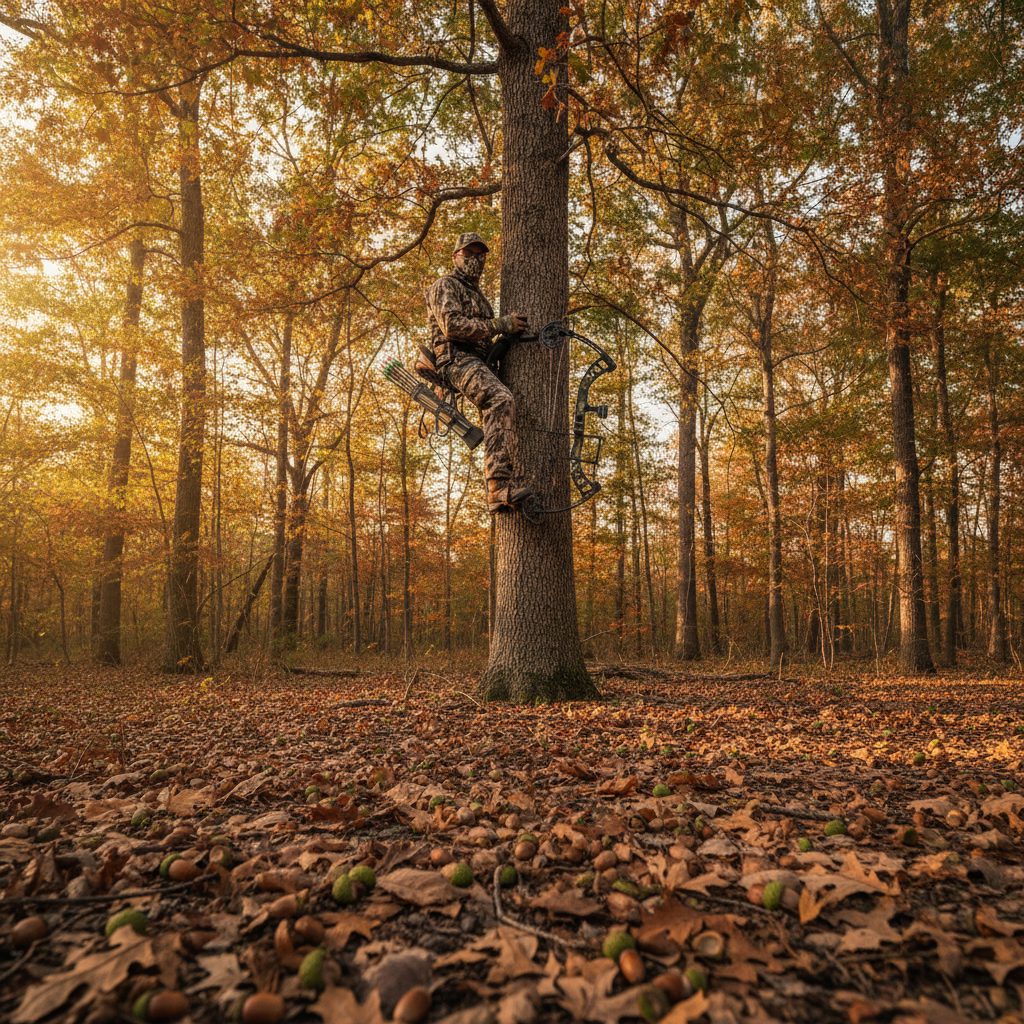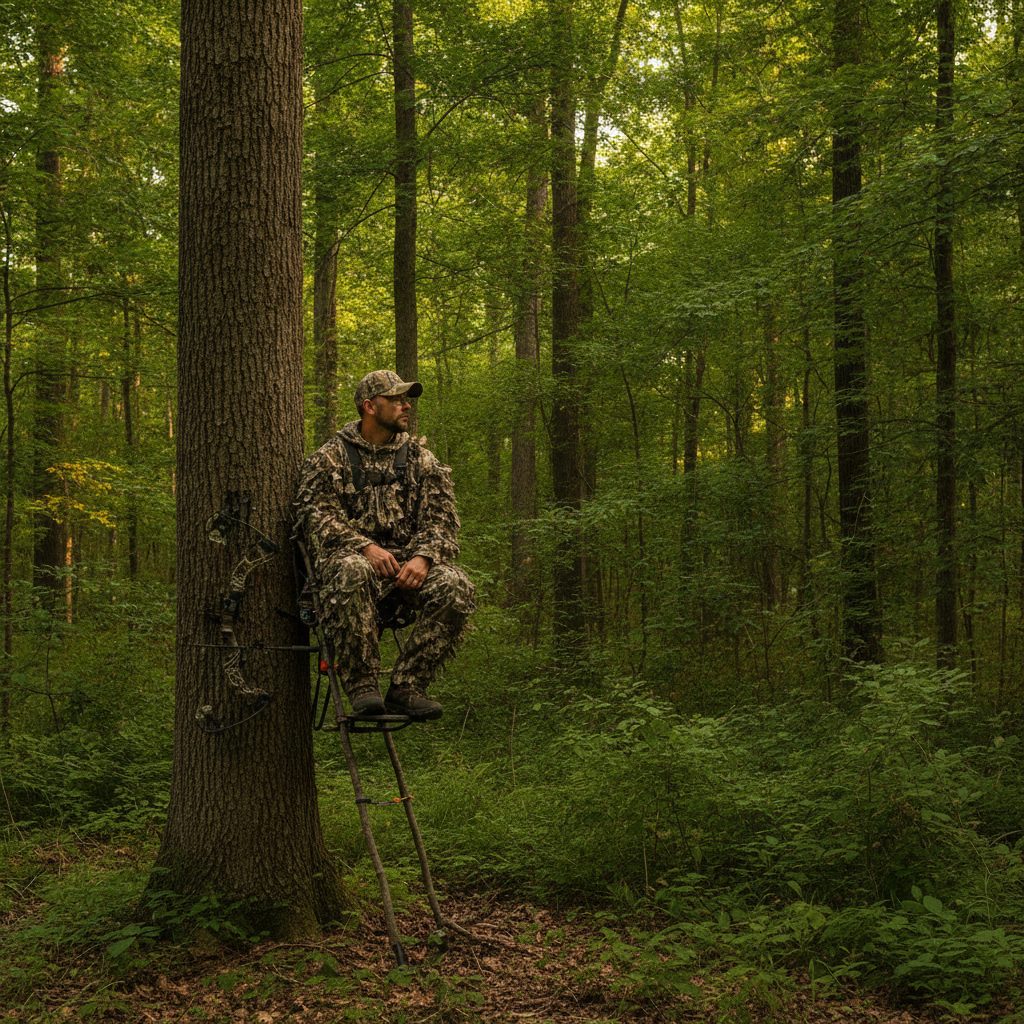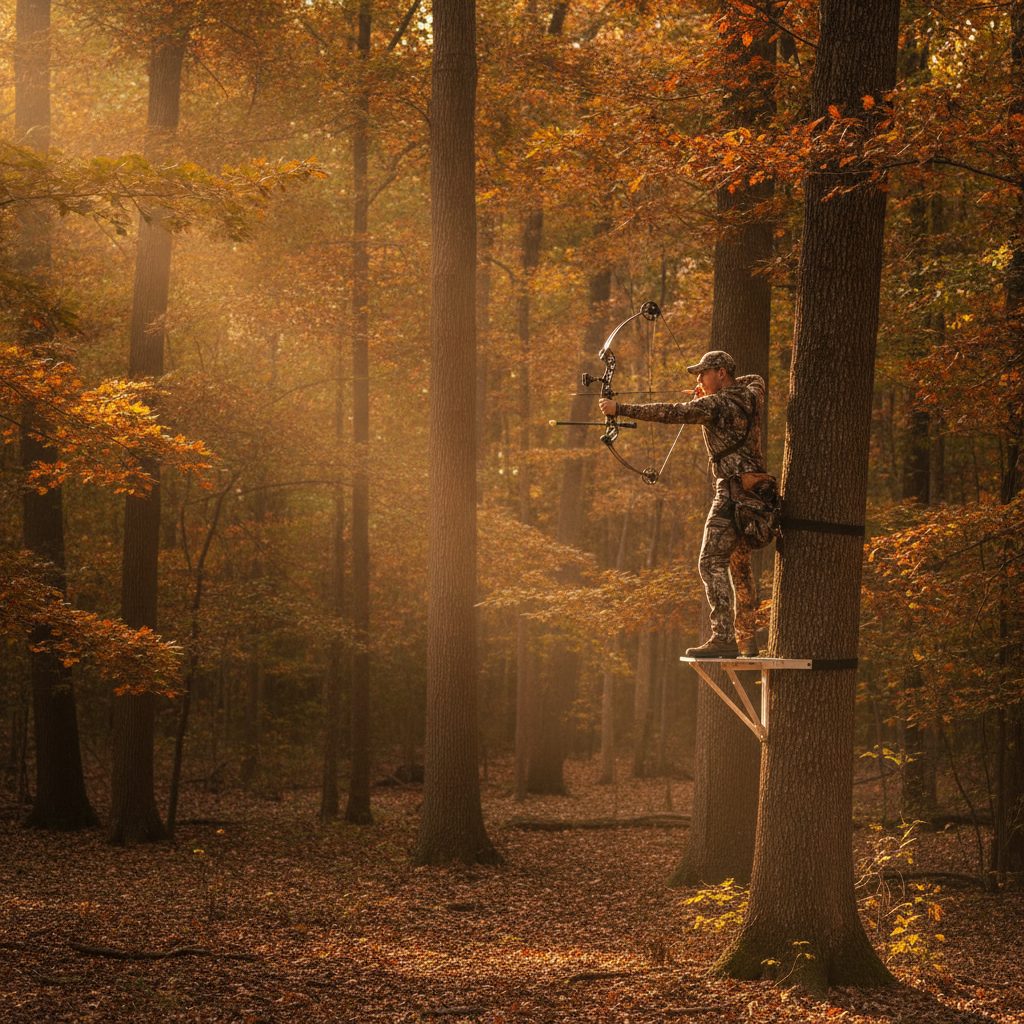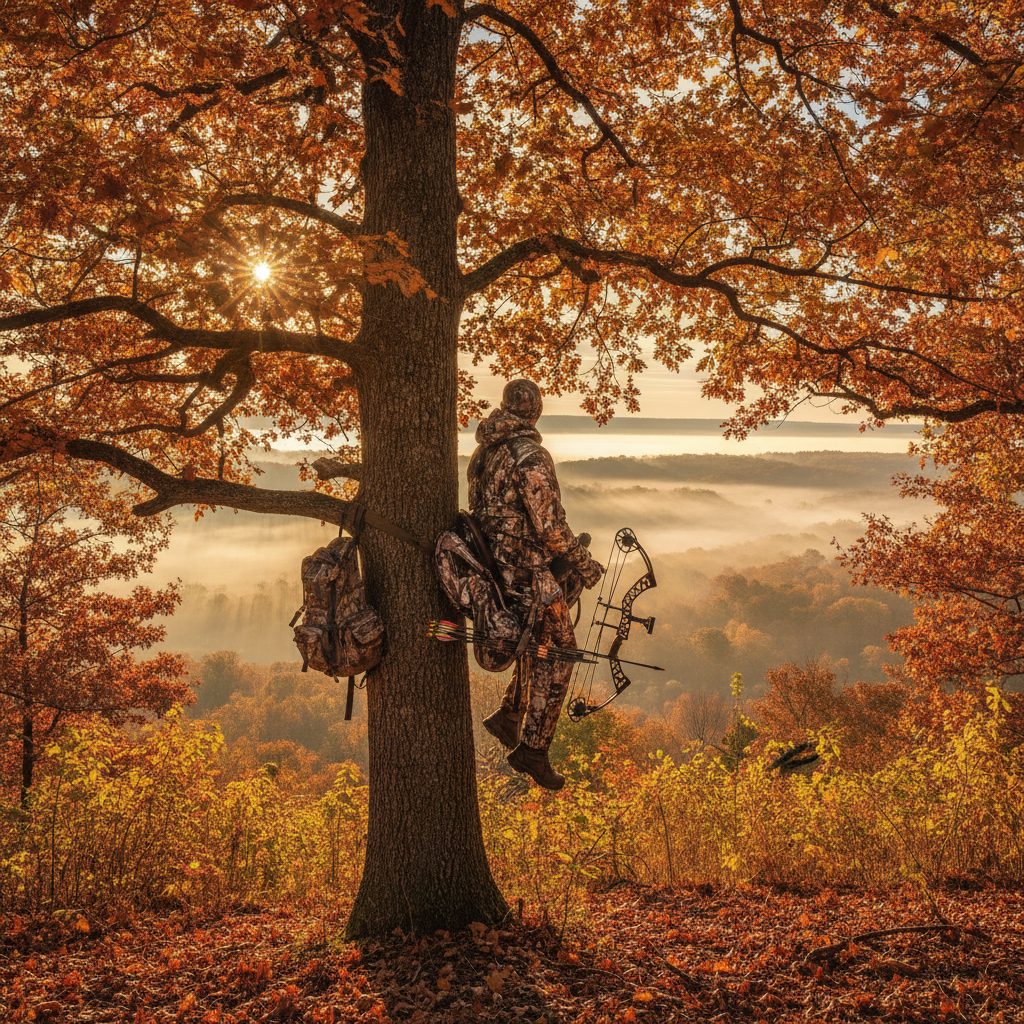
Why Opening Week Is the Saddle Hunter's Secret Weapon
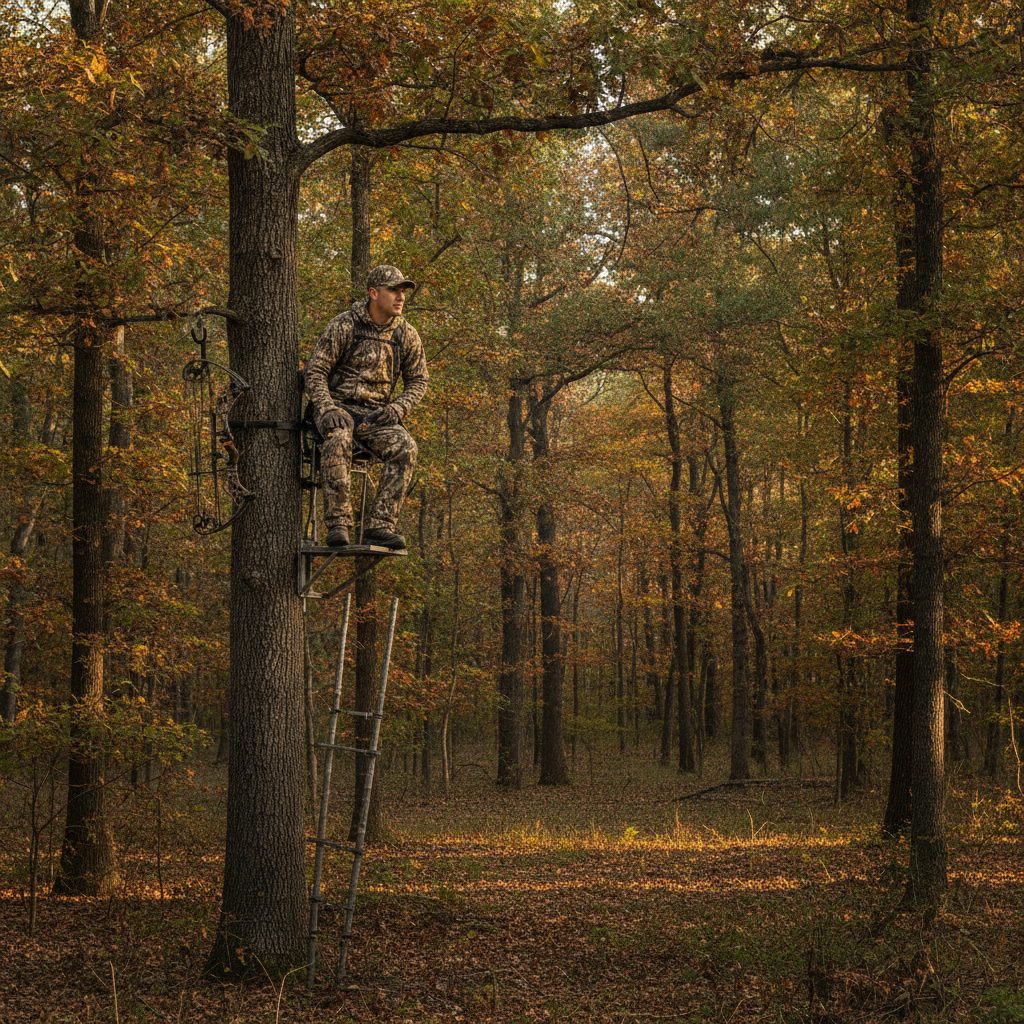
Most hunters blow their best early-season opportunities before October even thinks about showing up. They hang a stand in June, walk the same path on opener, and wonder why that velvet giant they watched all summer is suddenly a ghost. Here's the thing — early season whitetails are about as predictable as they'll ever be, and a mobile saddle setup is the single most effective tool for capitalizing on that predictability without burning a spot to the ground.
Deer Are Creatures of Habit — Until You Ruin It
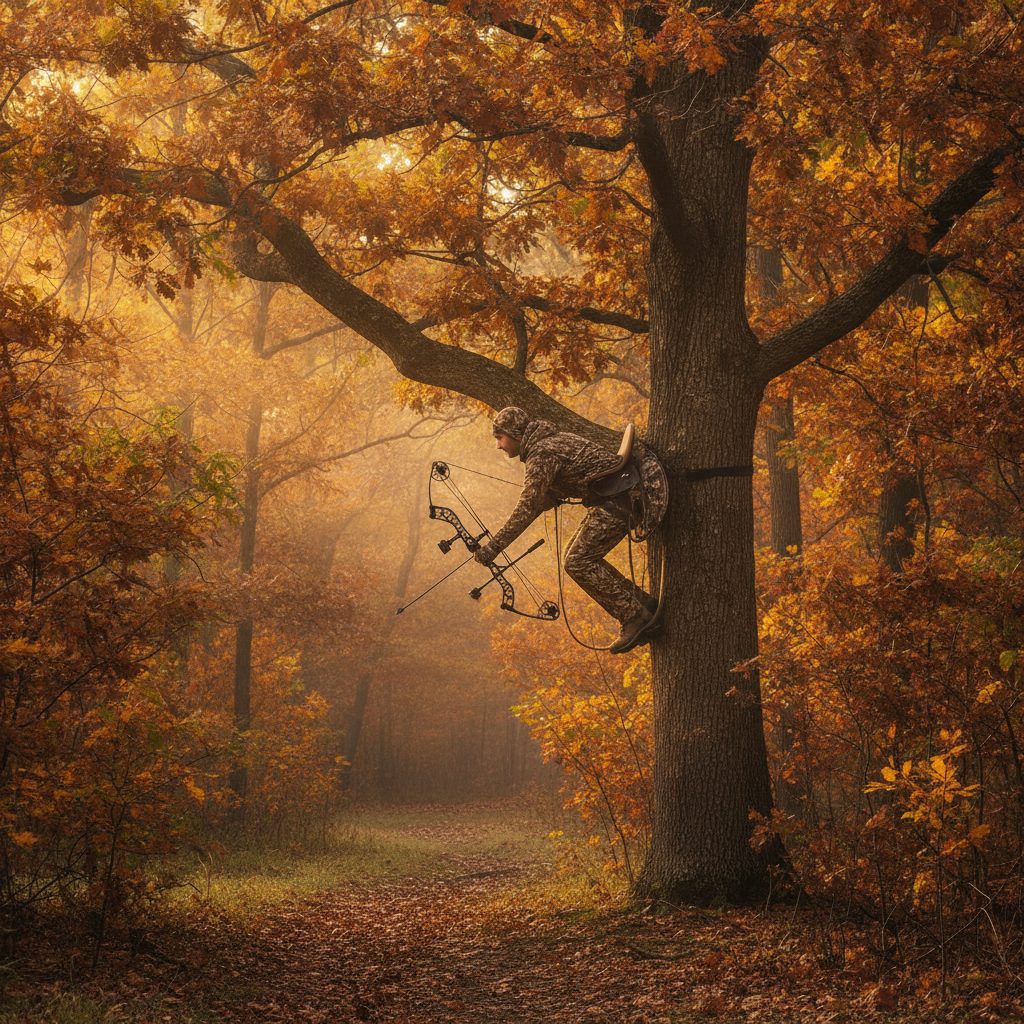
Right now, in September, bucks are locked into a tight feed-to-bed-to-feed routine. Soft mast, white oak acorns, ag field edges — they're hitting the same sources on the same trails day after day. The problem with a permanent hang-on is it commits you to one location. Miss the wind once, bump a deer on the walk in, and you've potentially ended the game on that spot for weeks. A saddle rig changes that equation entirely. You read the sign that morning, you pick the right tree for the right wind, you climb. Done.
Think about what that means on a property where deer are using a white oak flat that shifts as mast starts dropping across the ridge. The guy with three fixed stands is guessing. You're hunting fresh intel every single sit.
Heat Is the Real Enemy — Gear Up Accordingly
Early season mobile hunting has always had one brutal obstacle: heat. You're hiking in before first light with gear on your back, and by the time you're tethered in, you're already sweating through your base layer. Sweat means scent. Scent means dead hunts.
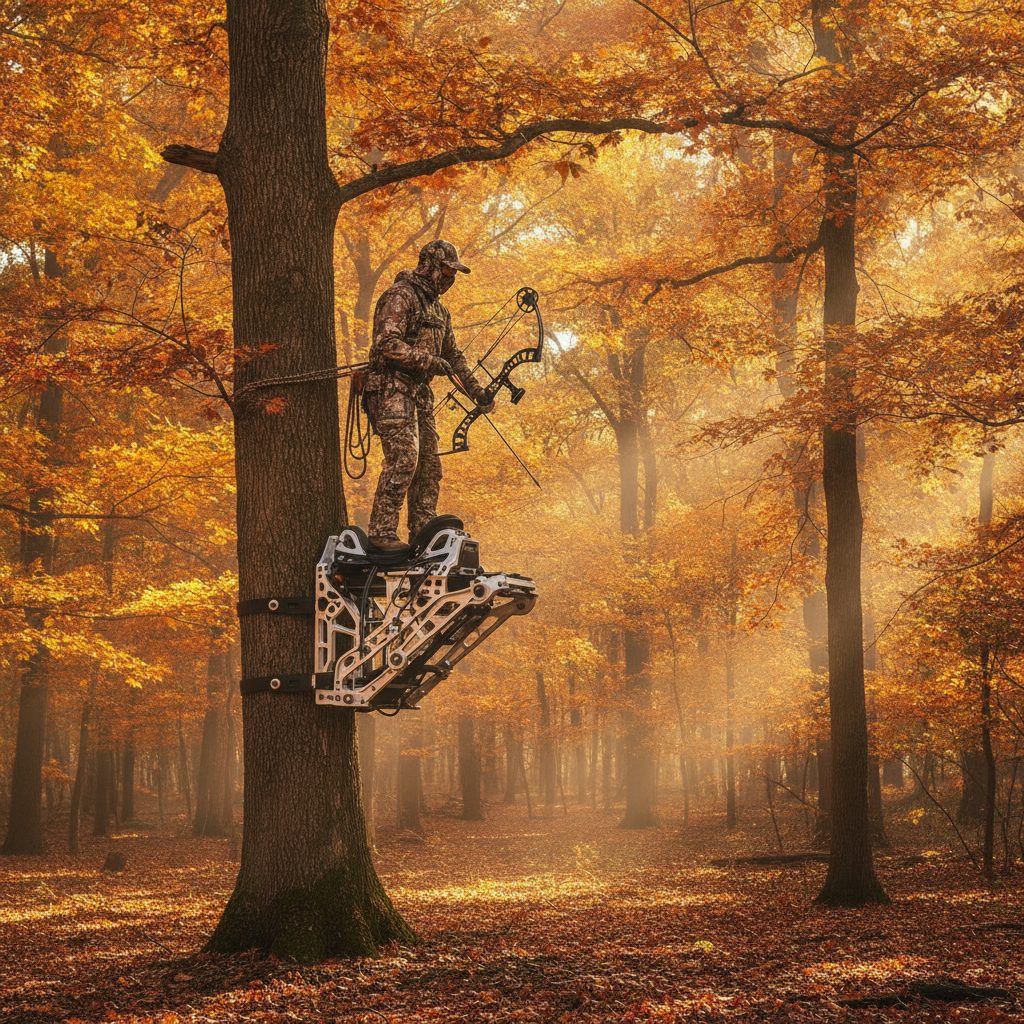
The 2026 saddle market finally addressed this head-on. Newer saddle designs are leaning heavily into breathable mesh panels and minimalist profiles specifically built for warm-weather sits. The idea is simple — less material trapping heat against your body means you cool faster once you stop moving, and you're introducing far less odor into the thermals. Pair that with a merino or synthetic wicking base layer and a disciplined entry route, and you can stack the deck significantly in your favor.
Platforms matter here too. A lighter setup means a shorter, quieter climb and less time fumbling around while your core temperature spikes. Speed to the seat is scent control in disguise.
Access Is Everything — Play It Like a Chess Match
One of the biggest early-season mistakes mobile hunters make is treating access like an afterthought. You found the sign. You've got the right saddle and sticks. But if your entry cuts through a bedding area or crosses a field edge that deer are using at last light, you're already cooked before you ever clip in.
- Hunt staging areas first. Mature bucks hang back in thick cover before committing to open food. Get between the bed and the field, not on the field itself.
- Use terrain to beat thermals. Morning thermals rise as the sun warms the hillside. Position yourself where your scent column drafts away from deer travel, not into it.
- Keep your entry dry and dark. Get in early, move slow, and pick a tree that lets you approach from the downwind or cross-wind side of anticipated travel.
- One-and-done isn't always the play. Sometimes the smarter move is to sit an observation setup — a lower-pressure spot where you can watch without educating deer — and save your A-location for when conditions are perfect.
The Run-and-Gun Mindset Wins in September
Here's where saddle hunting really separates itself from the pack. The ability to cover ground, read fresh sign, and be set up in a completely new tree within minutes is a legitimate tactical superpower during early season. Scrapes aren't hot yet. Rubs are just starting to show up. But food is king, and food sources shift fast — especially with acorns. A mast tree that was pulling deer three days ago might be picked clean today.
Chase the food. Not the calendar. That's the mindset. And a compact stick-and-saddle system you can cover miles with is the only rig that lets you actually live that out.
Don't Overthink the First Few Weeks
Early season whitetail hunting rewards patience and precision, not pressure. Get in clean, stay scent-disciplined, and trust the mobility of your system to put you on fresh deer instead of educating the ones you've already patterned. The hunters who hang giants in the first two weeks of bow season aren't lucky — they're adaptable. Their gear lets them be.
Dial in your setup now. Practice your climb. Know your entry routes cold. When that first cold front drops temperatures and deer break out of their summer holding patterns, you want to be the one ready to send it — not still fumbling with a fixed stand you hung in July.