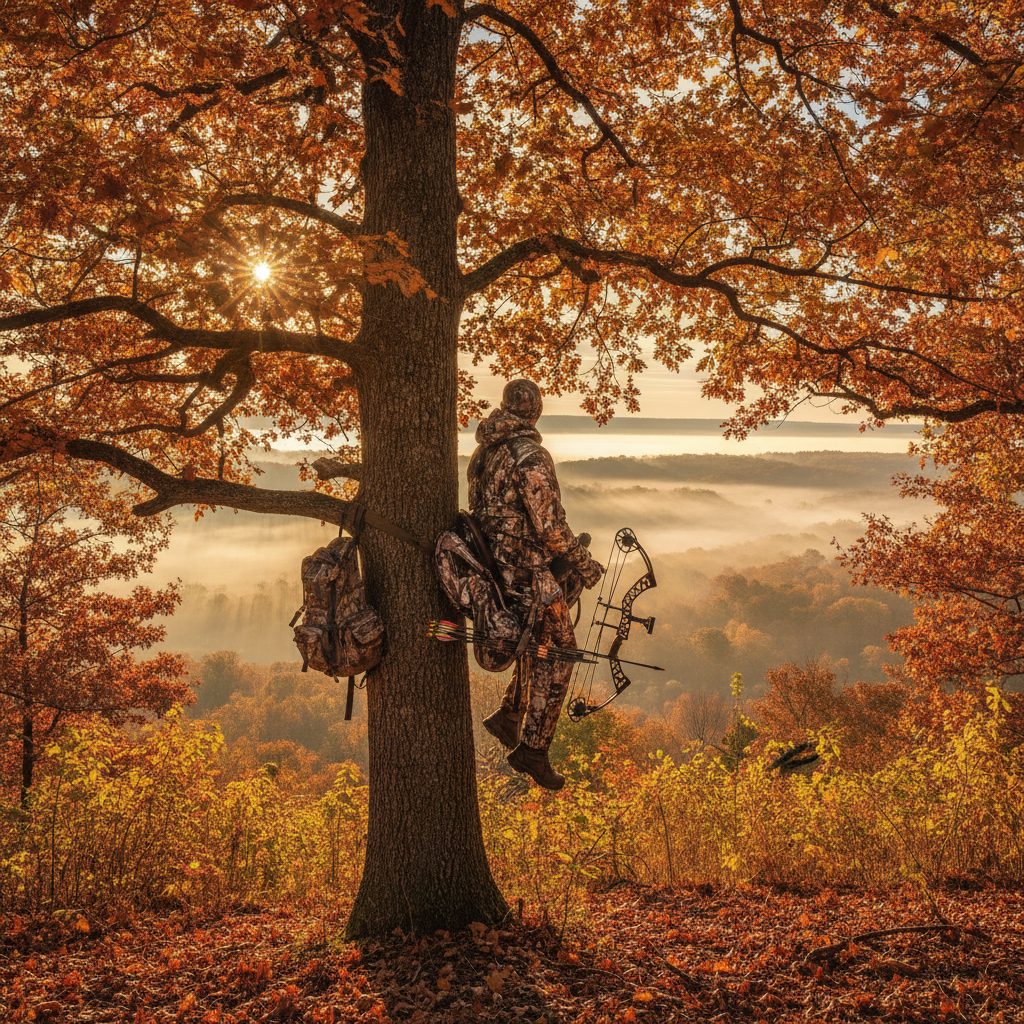
Why Summer Is the Mobile Hunter's Secret Weapon
Most hunters are sitting on the couch right now watching velvet bucks on trail cam clips and wishing October would just get here already. The mobile saddle hunter? He's already in the woods. That's the edge nobody talks about enough — and if you're not exploiting it, you're leaving chips on the table before the season even kicks off.
The Mobile System Is Built for This
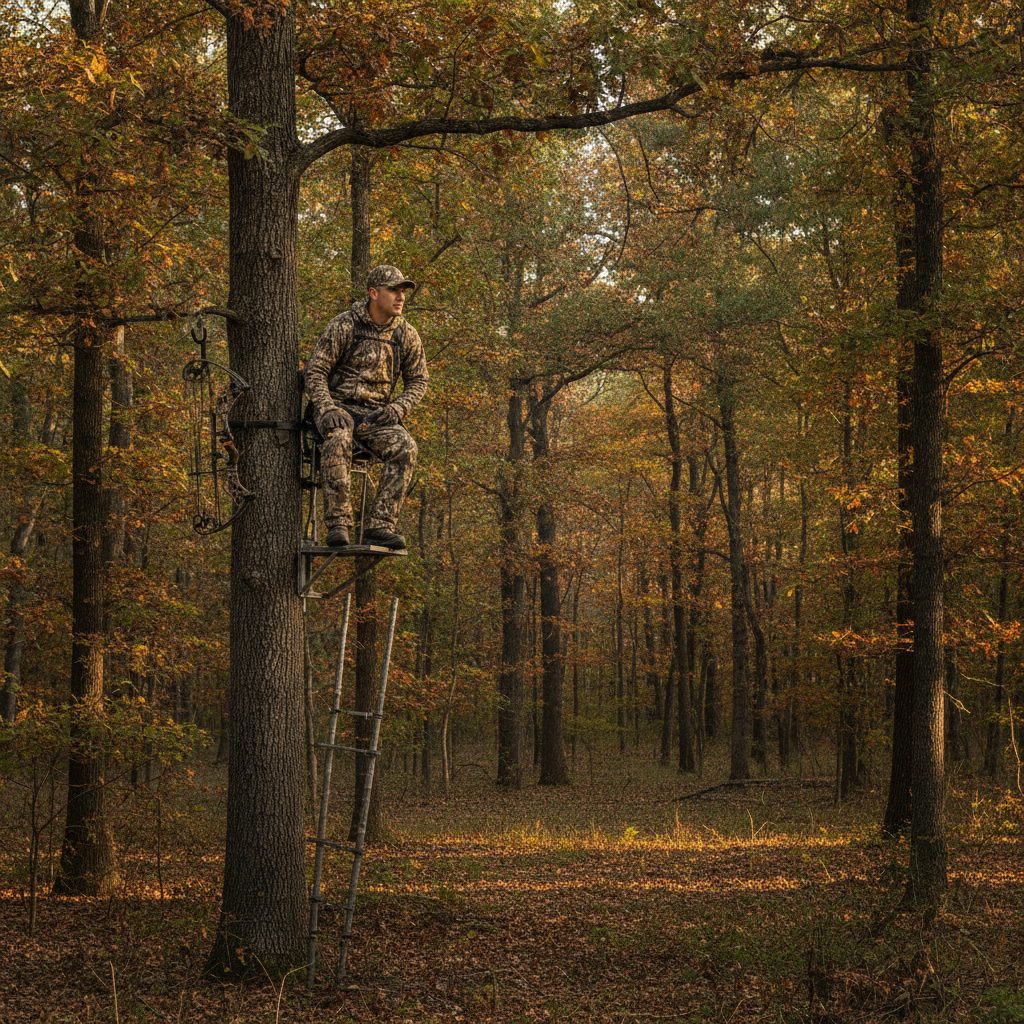
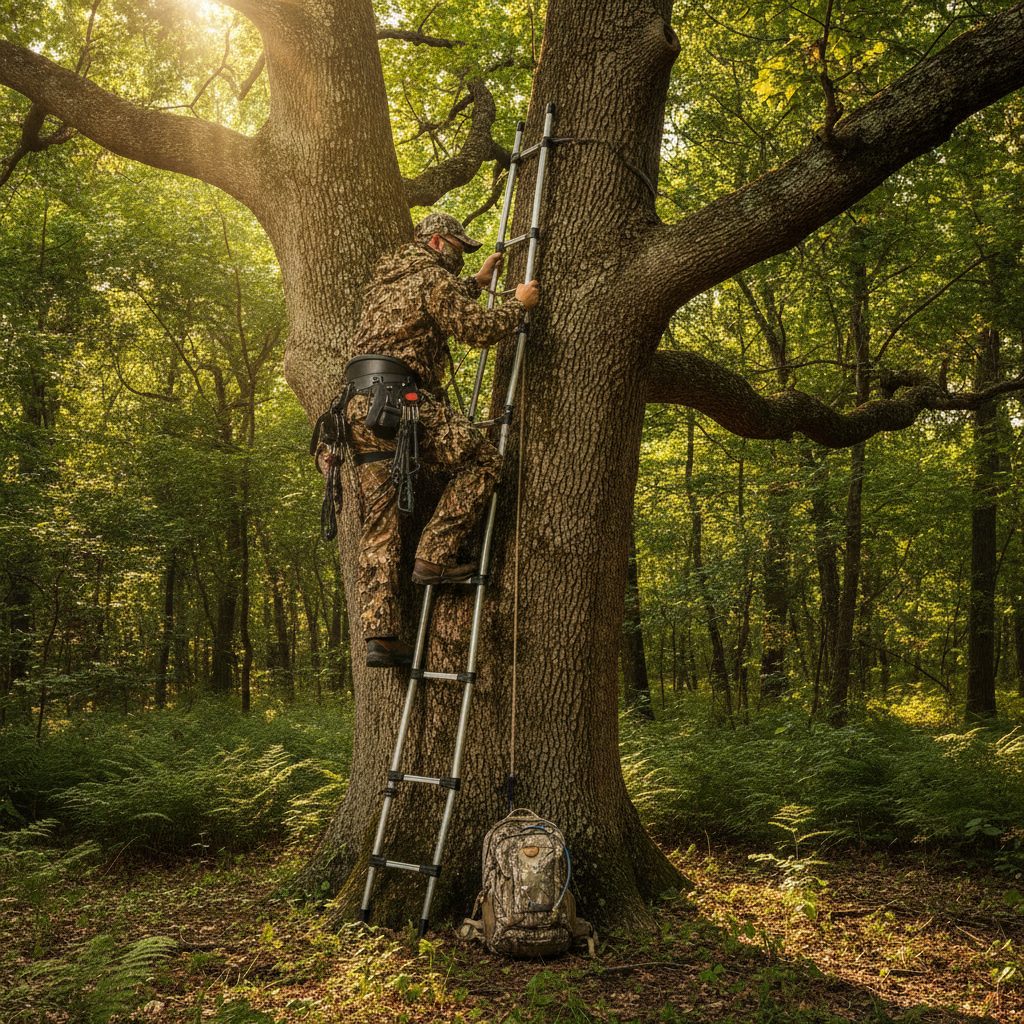
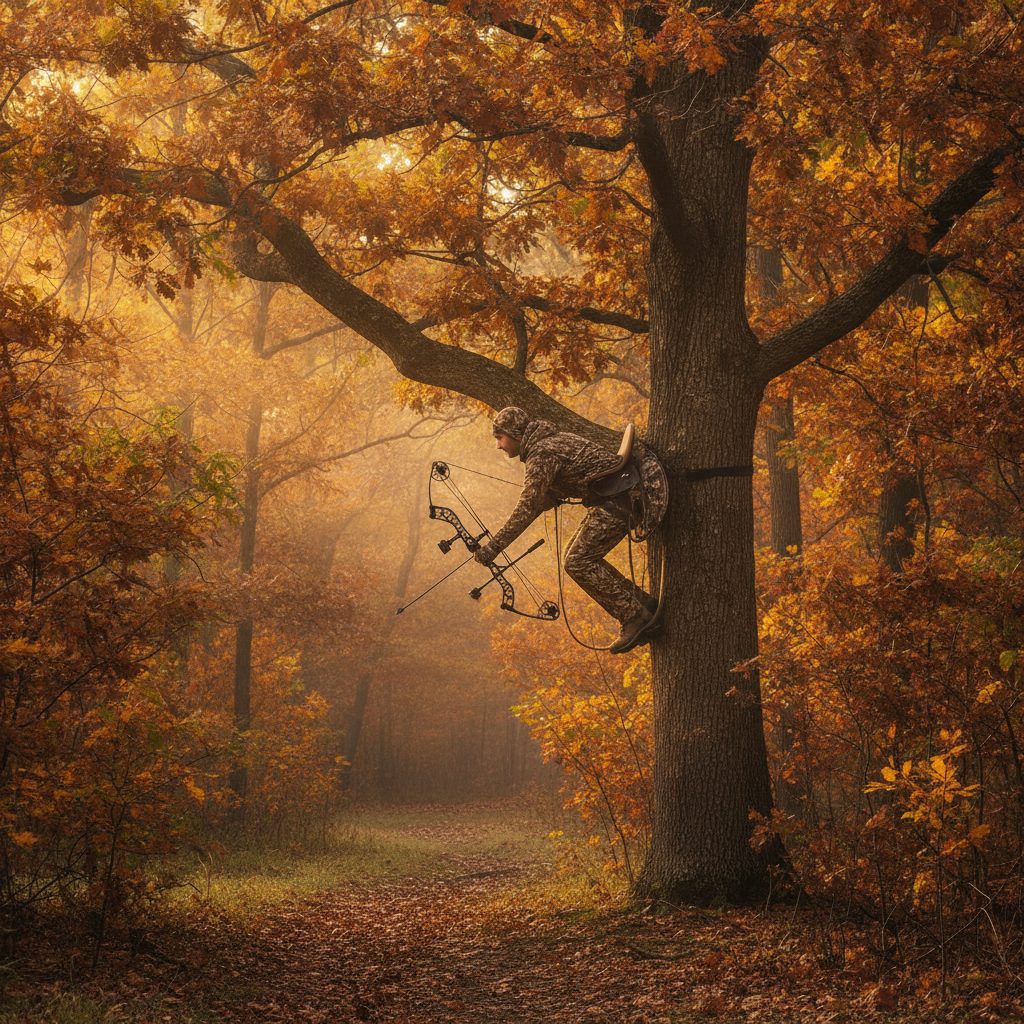
Here's what a hang-and-hunt setup does differently than a fixed ladder stand: it lets you go anywhere, fast and quiet. That same advantage that makes it deadly in October makes it an incredible scouting tool in June. Throw your sticks and saddle in a pack, walk into a promising funnel you spotted on OnX, and get 20 feet up a tree in under five minutes. You're not hammering in a hang-on or dragging a climber through the brush — you're ghosts.
Summer recon sits are low-impact by nature. Bucks in velvet are predictable, running bachelor group patterns tied tightly to food, water, and shade. They'll be doing the same thing tomorrow and the day after. You can observe from elevation without wrecking the spot, and if you bump a deer coming out, it's early enough that he'll forget about it long before opening day.
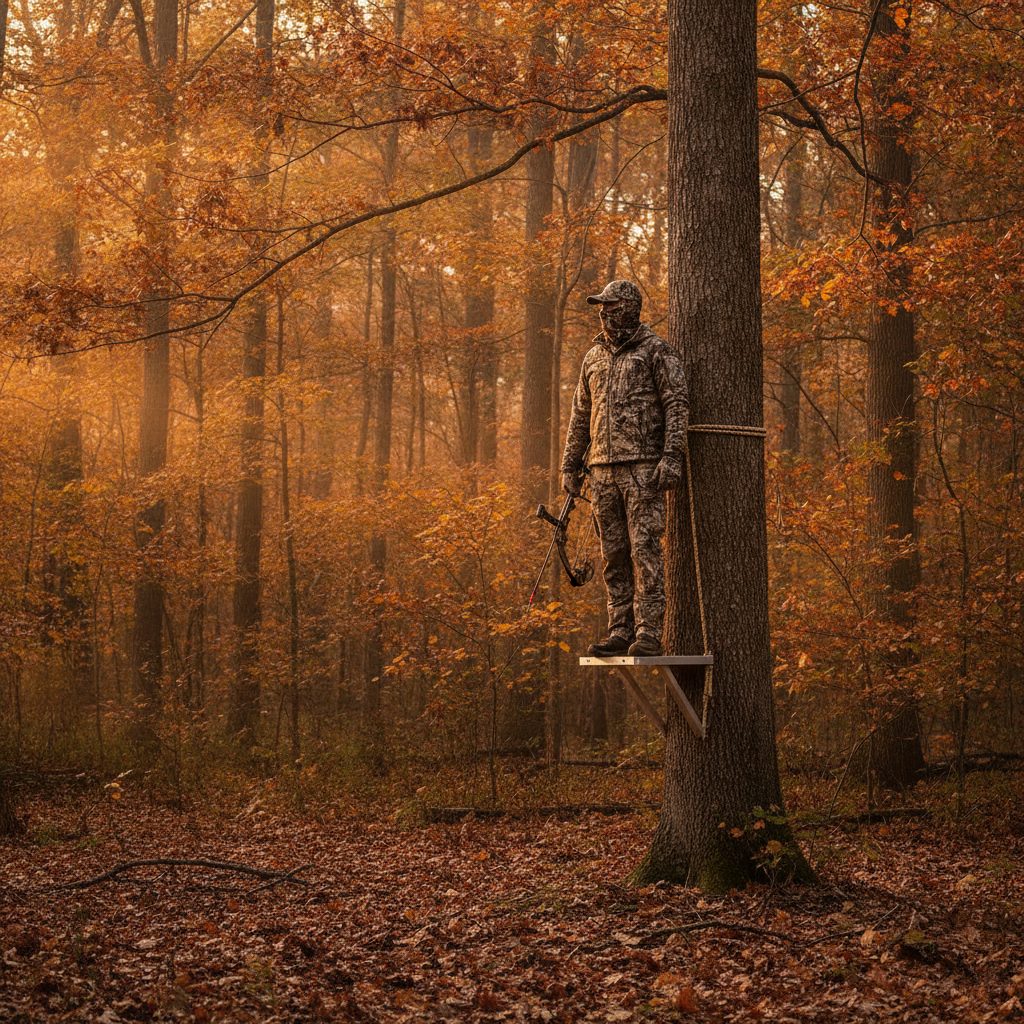
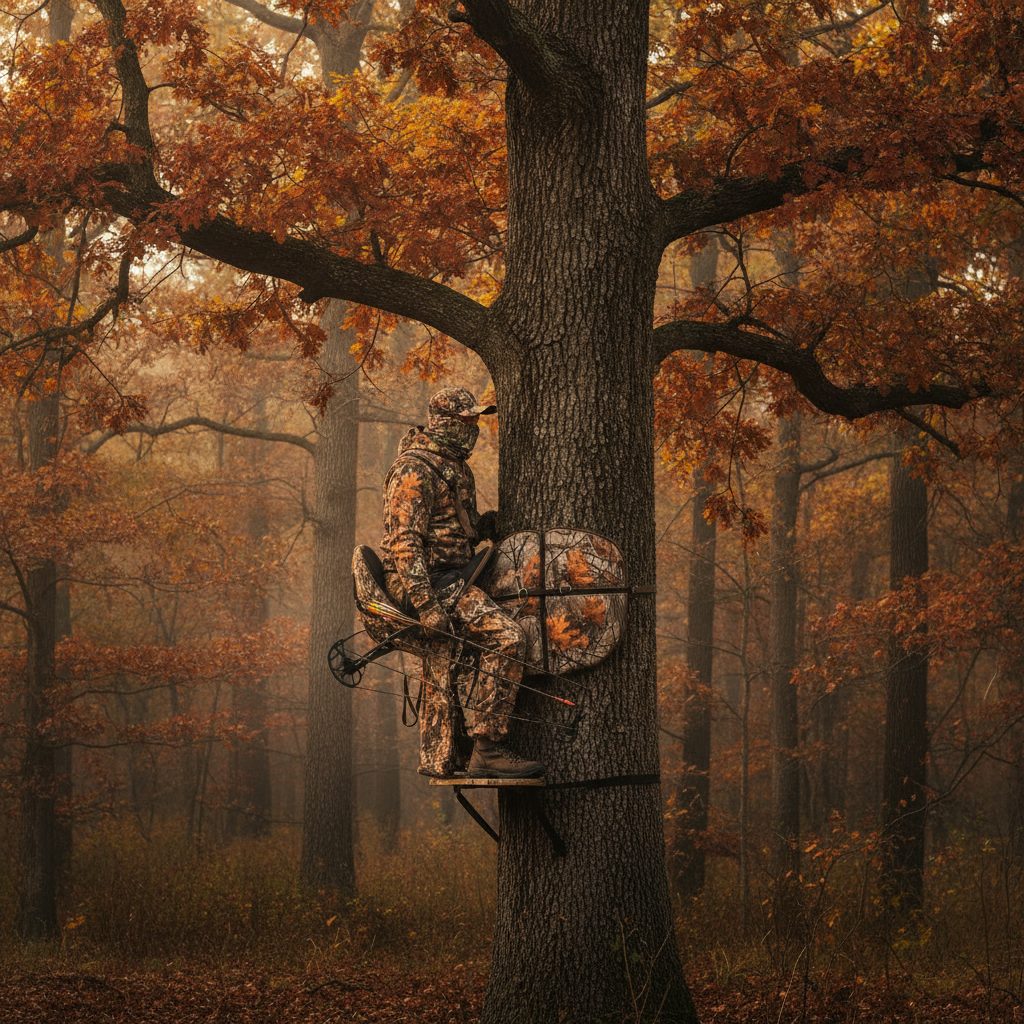
The 2025 saddle market has leaned hard into this kind of versatility. The trend toward dual-panel designs — saddles that collapse to a compact single-panel profile for the walk-in, then deploy a second panel in the tree for all-day comfort — matters a lot here. You want to cover miles during a scouting mission, not waddle through the timber in a bulky rig. The walk-in mode keeps things lean and quiet against your body; once you're up, you open it up and settle in for the long glass. That's a real functional difference for summer work.
E-Scout First, Then Boots on the Ground
Start on the map. Pull up your topo app and look hard at terrain transitions — ridgelines that pinch down, creek crossings, bench flats that sit between bedding and feed. These geographic funnels don't change year to year the way food sources do. Mark every one of them. Then figure out which trees in those pinches are big enough to accept your lineman's belt and sticks. You can often pre-select your climbing trees from satellite imagery before you ever lace up your boots.
Once you're on the ground, you're not just checking boxes — you're building a mental map of how deer move through that terrain. Look for trails that cut between two different cover types. Even in summer when foliage is thick, compacted soil in well-worn deer trails doesn't lie. Old rubs and scrapes from last fall tell you which corridors bucks favored during the rut. All of that intel sharpens your tree selection dramatically.
The Low-Pressure Hang-and-Hunt Scout Sit
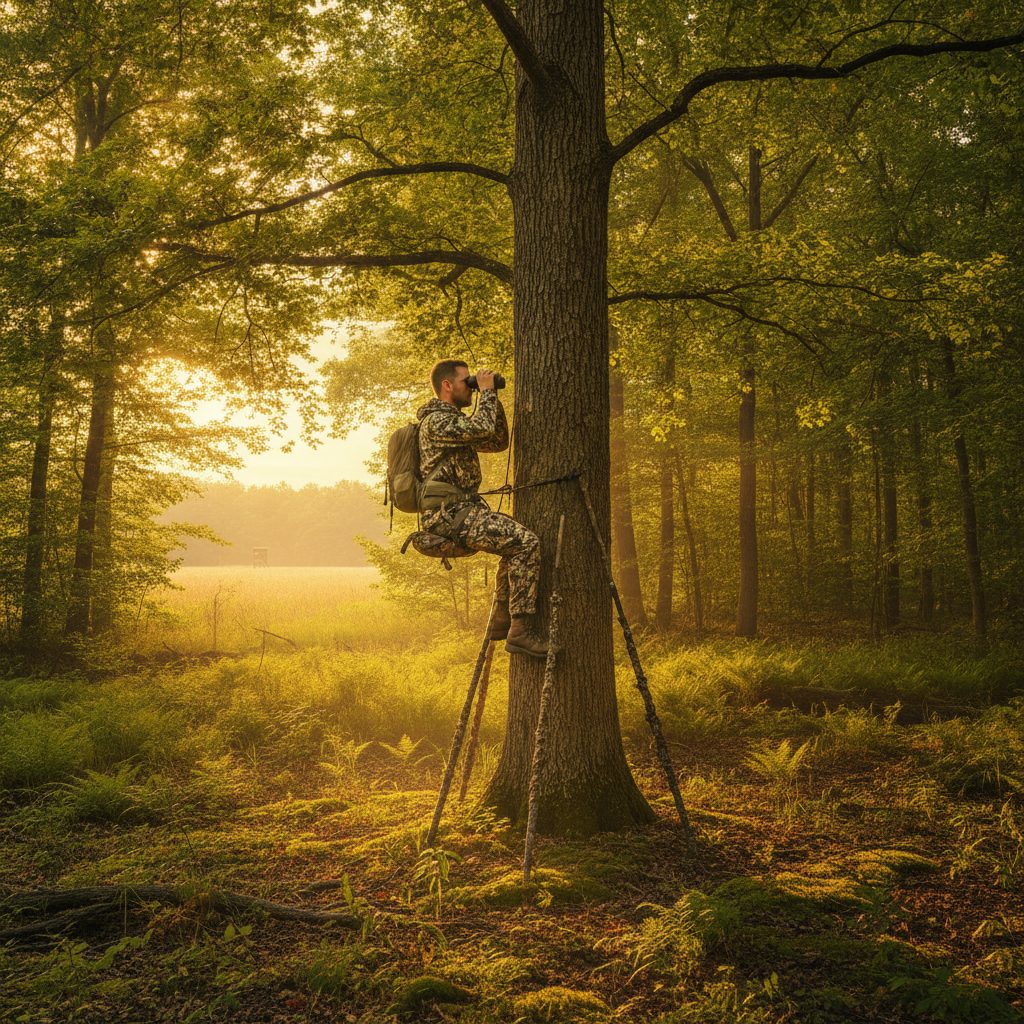
Here's the move most saddle hunters sleep on: the dedicated scout sit. Pick a tree on a transition edge — timber to ag, hardwoods to thermal bedding cover — and climb it two hours before last light. Bring your binos. You're not hunting, you're watching. Note which trails are active, how bucks enter the field, and where they stage before committing. That's the intel that lets you hang a killer set in exactly the right tree come October without bumping the neighborhood.
The beauty of the saddle system here is that you're not making the same noise commitment as a ladder stand hang. Three sticks and a platform go up in minutes, come down in minutes, and leave almost nothing behind. Do the sit, pull your sticks, walk out clean. The deer never pattern you because you never pattern yourself into one spot.
What to Mark, What to Skip
One of the biggest summer scouting mistakes is treating every fresh track like a target. Summer feeding patterns and fall feeding patterns can be completely different animals — literally. When hard mast drops in September and October, deer movements shift dramatically. The bean field edge that's loaded with bachelor groups in July might be dead by opening weekend. Mark the terrain and the sign from past falls with the same weight you give fresh summer activity. An oak flat with old rubs from last November is worth more to you than a summer trail through a soybean edge.
- Mark year-round terrain features — topographic pinches, ridge saddles, creek crossings
- Log fall-specific sign — old rub lines, scrapes along logging roads and field edges
- Note entry and exit routes that let you reach those trees with the wind right
- Pre-select your climbing trees now, while leaves give you a preview of natural concealment
- Run cameras on summer water sources to inventory bucks — but don't over-commit those locations as hunt spots
Show Up Opening Day Ready
The run-and-gun mobile hunter wins in October because he's flexible and unpressured. But flexibility built on zero homework is just wandering. The guys who truly send it in the early season — who hang a fresh set on October 1st and arrow a mature buck on the first sit — they did the summer work. They already knew the tree. They'd already climbed it once in July just to feel the sight lines.
Your saddle and sticks are light enough to carry all summer. There's no excuse to wait until September to start learning your ground. The woods are telling you everything right now. Go listen.