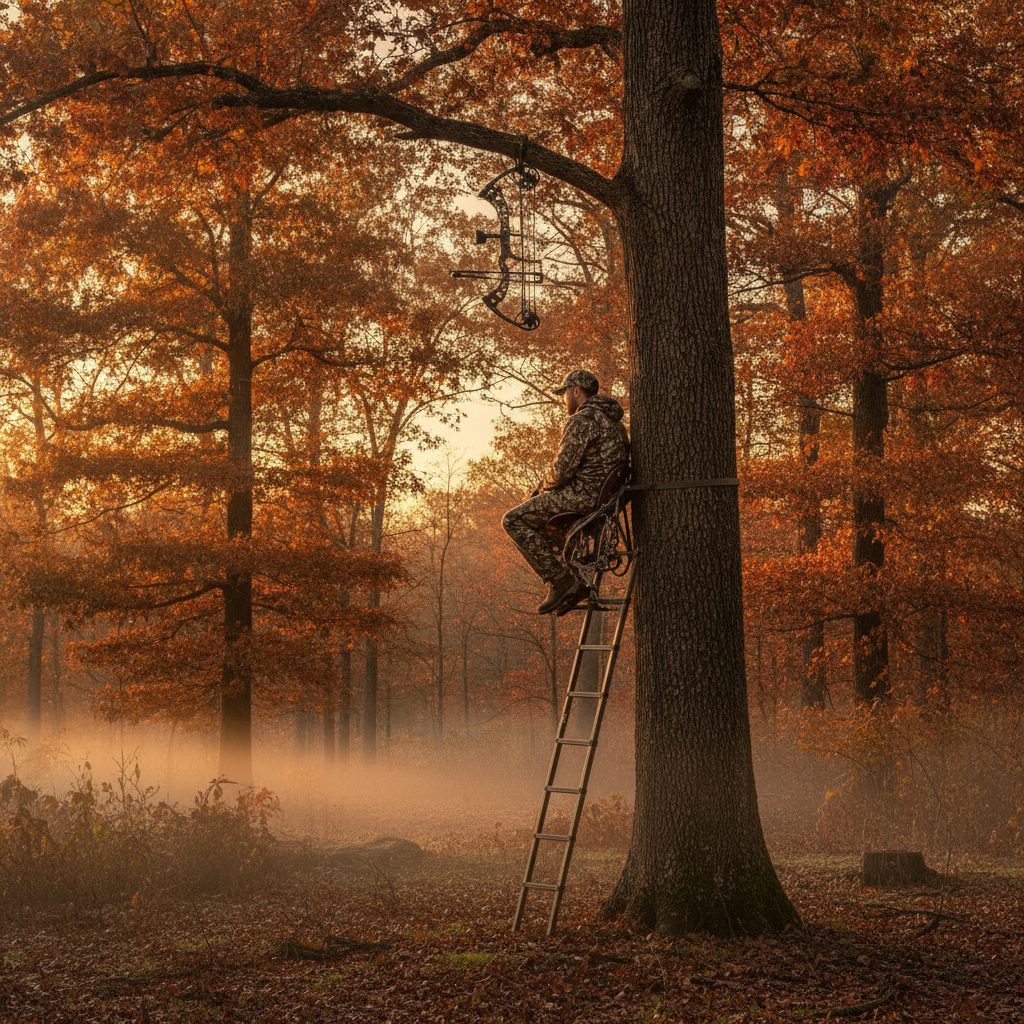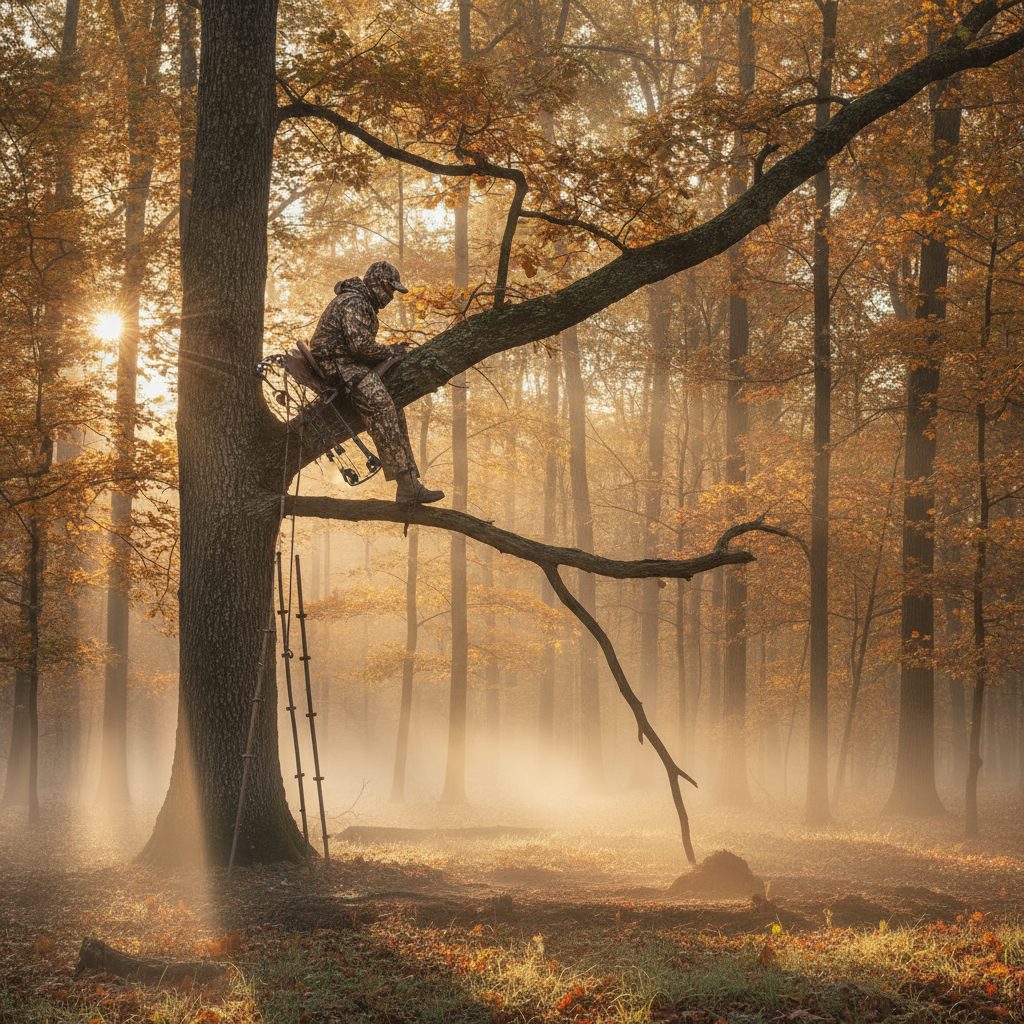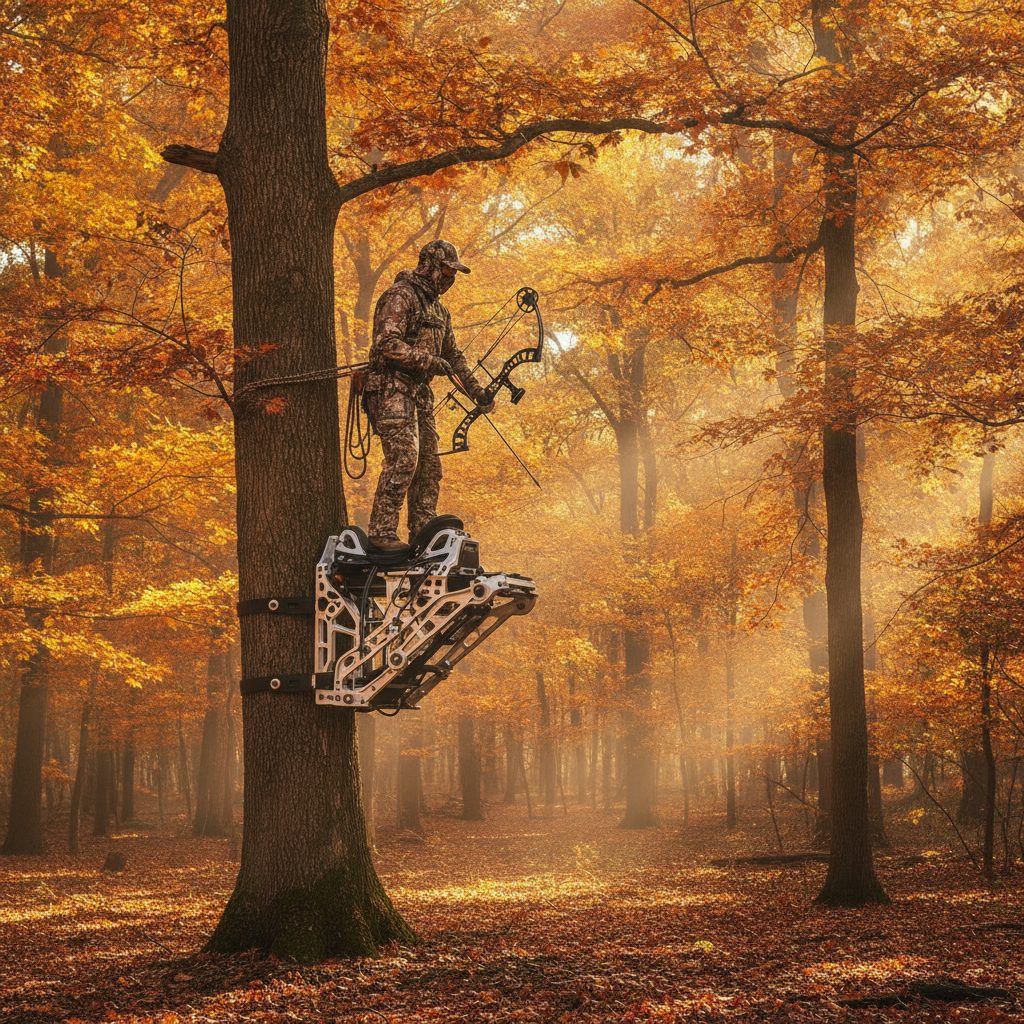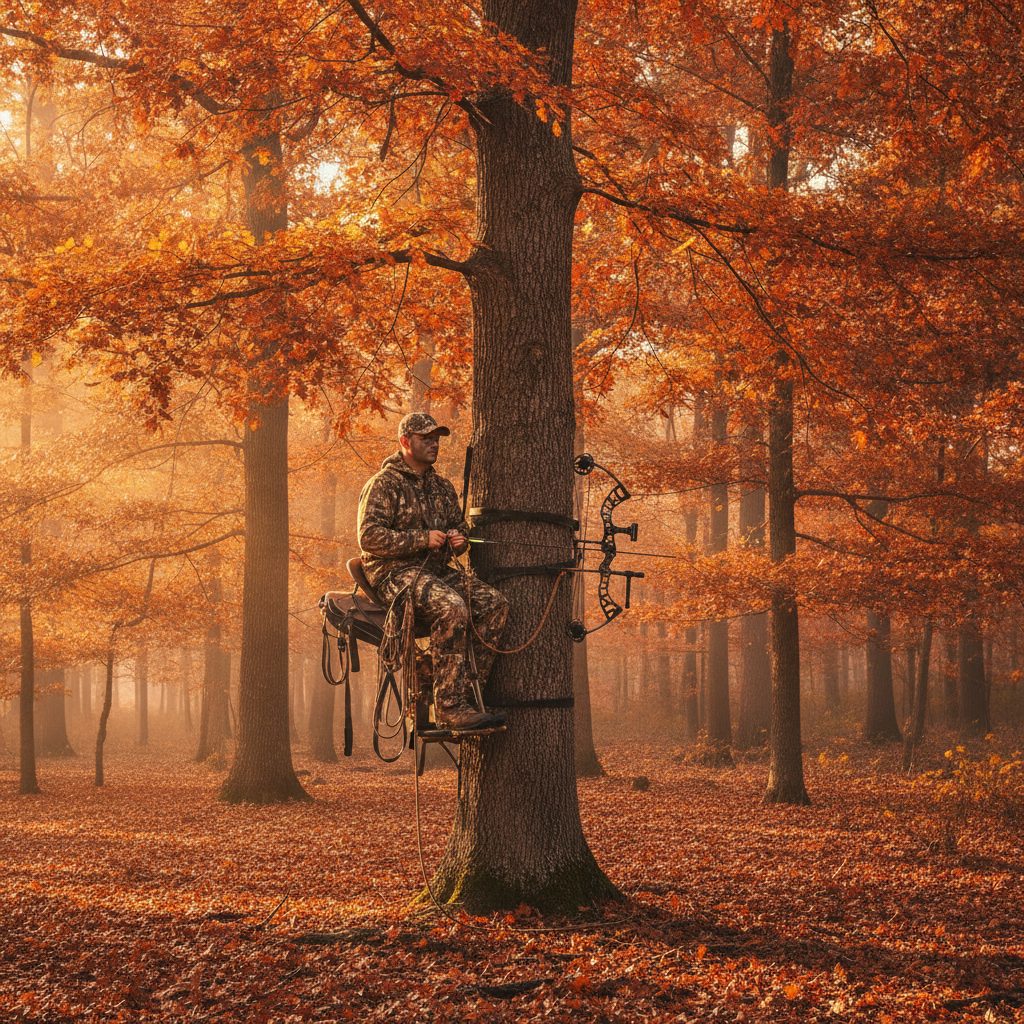
Seeking Phase Mobility: Why the Next 10 Days Are Your Best Saddle Hunt
If you're still sitting the same hang-on you parked in September, wake up. The calendar just flipped to mid-October and the clock is ticking. The seeking phase — that electric window when big bucks start pushing out of their bedrooms to check doe areas in daylight — is close enough to taste. And nobody is better positioned to capitalize on it than a mobile saddle hunter with a light pack and a loose plan.
Why This Window Is Different
The rut isn't a single event. It's a progression, and each phase demands something different from you. Right now, bucks are still cautious — summer-fat, heavy-coated, and reluctant to fully commit to daylight movement. But that's changing fast. Once the seeking phase flips on around October 22 or 23, bigger deer start expanding their range and cruising travel corridors in ways they simply won't do in early season or during peak lockdown, when they're glued to a doe for days at a time.
The math is simple: seeking bucks are moving, but they're not yet paired off. They're alone, covering ground, checking scrapes and doe areas with purpose. That's your window. A buck that covered a half-mile in three weeks suddenly covers five miles in a day. If you're fixed to one tree, you're playing the lottery. If you're mobile, you're playing chess.
The Saddle Advantage in Crunch Time
This is exactly where the run-and-gun saddle rig separates itself from every other platform. You're not waiting for a buck to commit to your setup — you're reading the sign and repositioning to where he already is. Fresh rub line blew up overnight on the north ridge? You're in that fencerow funnel by 5 a.m. Does holding in the standing corn field edge? You're hanging sticks on that downwind oak by noon.
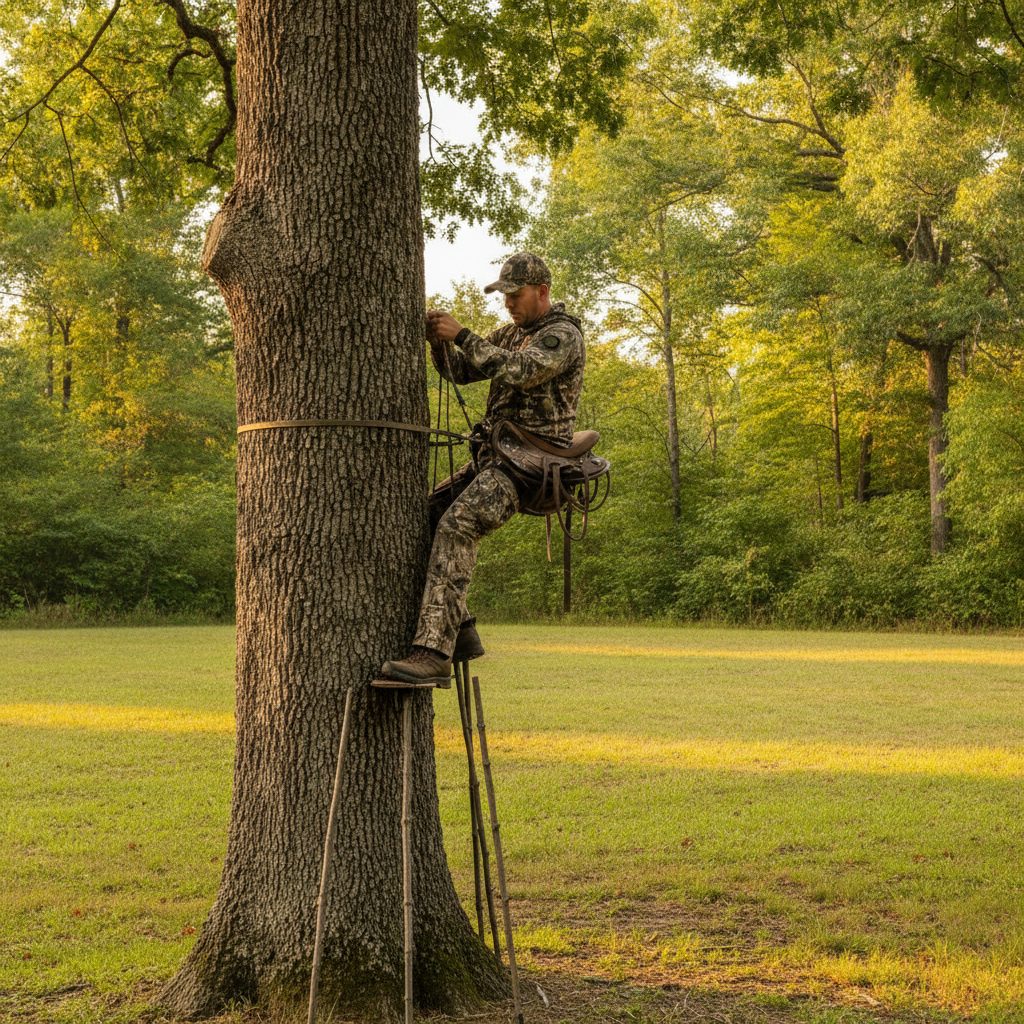
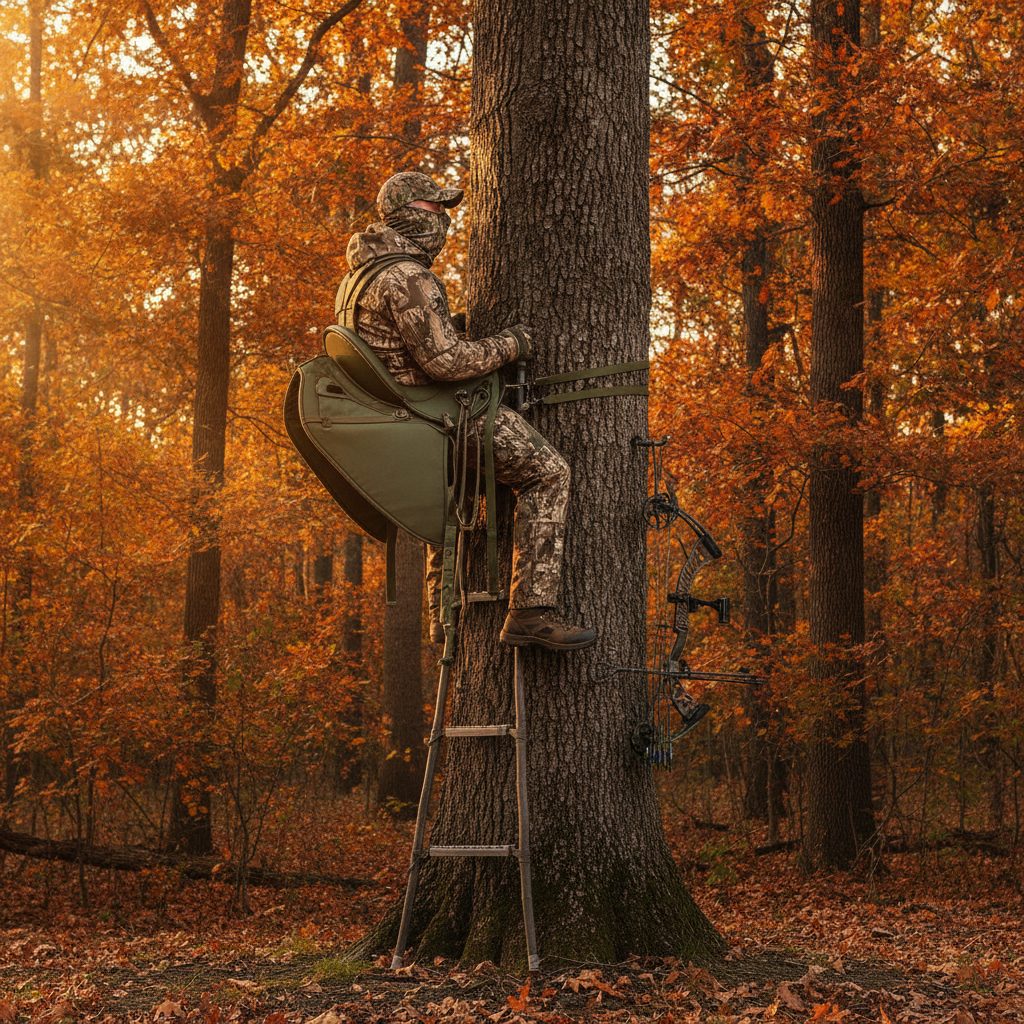
Speed matters here, and so does silence. During the seeking phase, deer are keyed up and alert. A banging hang-on going up at first light is a season-ender. A saddle hunter who slides up a tree in under eight minutes with quiet sticks and a dialed-in lineman's rope setup? That's a ghost. The buck never knows you switched zip codes.
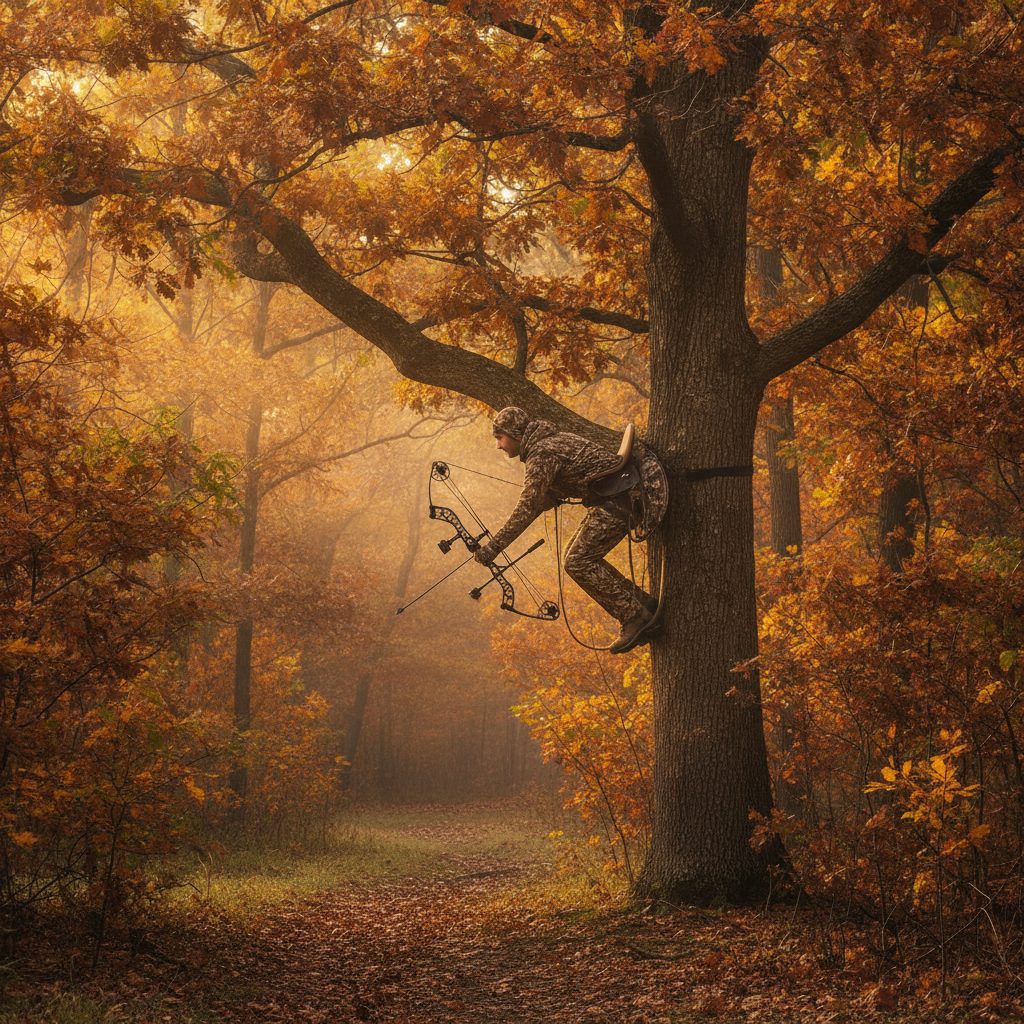
Your tether angle becomes a genuine weapon during this phase, too. When a cruising buck is quartering toward you and then jigs unpredictably — which they will — the 360-degree rotation a saddle gives you lets you pivot without torquing your entire body. That fluidity wins shot opportunities that a fixed-position hang-on simply can't offer.
How to Scout and Move During the Seeking Phase
- Hunt fresh sign, not old cameras. A mature buck's pattern can stretch, loosen, or disappear the moment he starts checking doe groups. Swap cards on the walk in, but don't bet the farm on week-old intel. Your eyes on the ground beat any thumbnail image.
- Target pinch points and travel corridors near doe concentrations. Bucks know where the does are — and they know it better than you do. Find the doe bedding areas and the feed, then set up on the natural funnels in between. A saddle in a hedge apple row connecting two woodlots is money right now.
- Read scrapes as a daily newspaper. Fresh dirt and a worked licking branch tell you a buck checked that spot within hours. Hang downwind, hang light, and give it one sit. If the sign goes cold, pull stakes and move.
- Watch doe traffic as hard as you watch buck sign. Consistent doe movement predicts where the best buck daylight activity is likely to happen next. Saddle hunt the does and the bucks will find you.
- Sit corridors all day on your best days. Once the seeking phase fully locks in — especially if a cold front rolls through — commit to an all-day sit on a premier funnel. Pack food, pack patience. Midday is when cruising bucks are most exposed and least expected.
Keep the Rig Honest
None of this works if your system slows you down. The whole seeking-phase strategy is built on the ability to make a smart decision at midnight — that bench scrape is firing, I'm going in at 4 a.m. — and then actually execute it without waking the zip code. That means sticks that pack quiet, a saddle that's up to a full sit in the cold, and a platform you can hang in one shot in the dark. Gear that makes you hesitate is gear that costs you deer.
The next ten days are the best saddle hunting days of the year. The buck you've been watching all summer is about to make a mistake. Make sure you're in the right tree when he does.